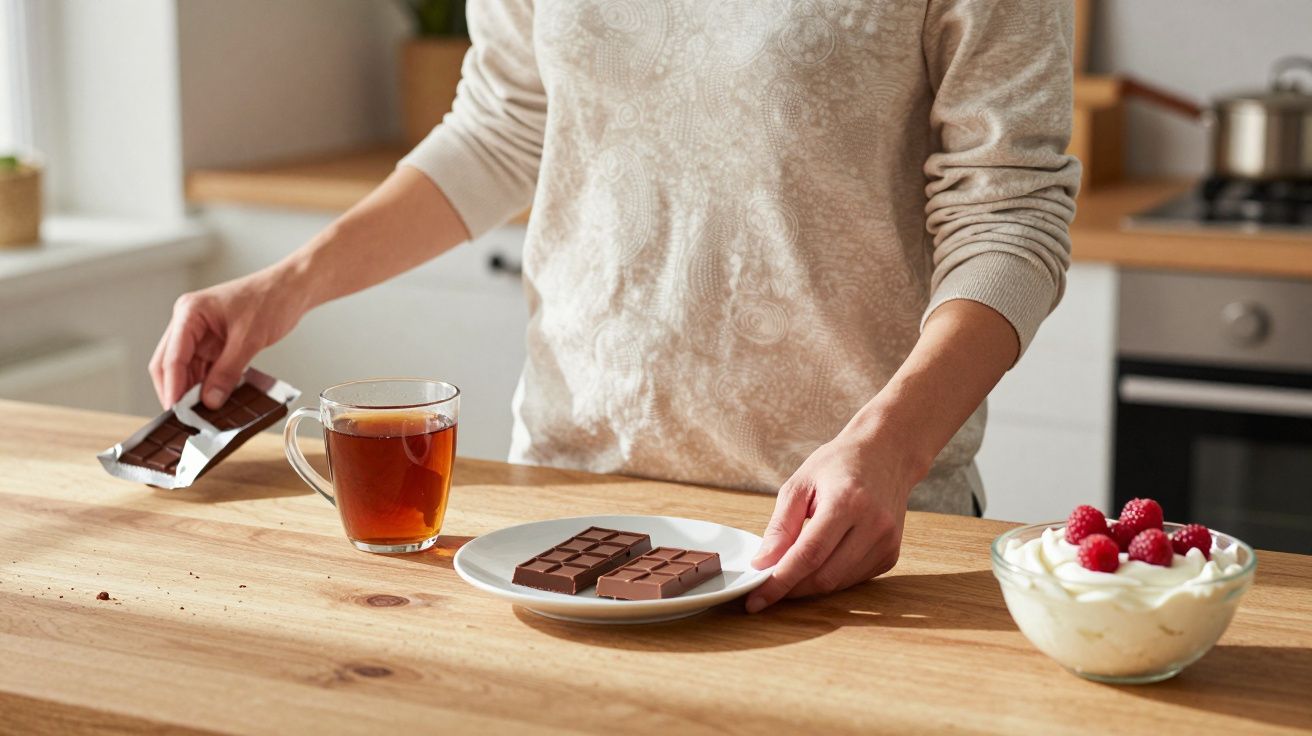
Cadbury shows up everywhere: in office snack drawers, kids’ party bags, baking aisles, and the quick “just one square” moments at the petrol station. Even the odd prompt-like line - “of course! please provide the text you would like me to translate.” - can end up next to it on screens where we order food, plan recipes, or argue about what counts as a treat. The chocolate isn’t the crisis; the way we deploy it - as filler, habit, reward, or disguise - is where things start to fray.
What’s happened is a quiet shift from “a bar you look forward to” into “an ingredient in everything”, and that changes how it tastes, how much we eat, and what we expect from sweetness. If Cadbury feels less special these days, it’s often because it’s being asked to do jobs chocolate was never meant to do.
The real issue: context turns chocolate into background noise
Cadbury works best when it’s the point. A couple of squares after dinner, a bar shared on a train, a seasonal egg that signals a particular time of year - these are moments with edges and limits.
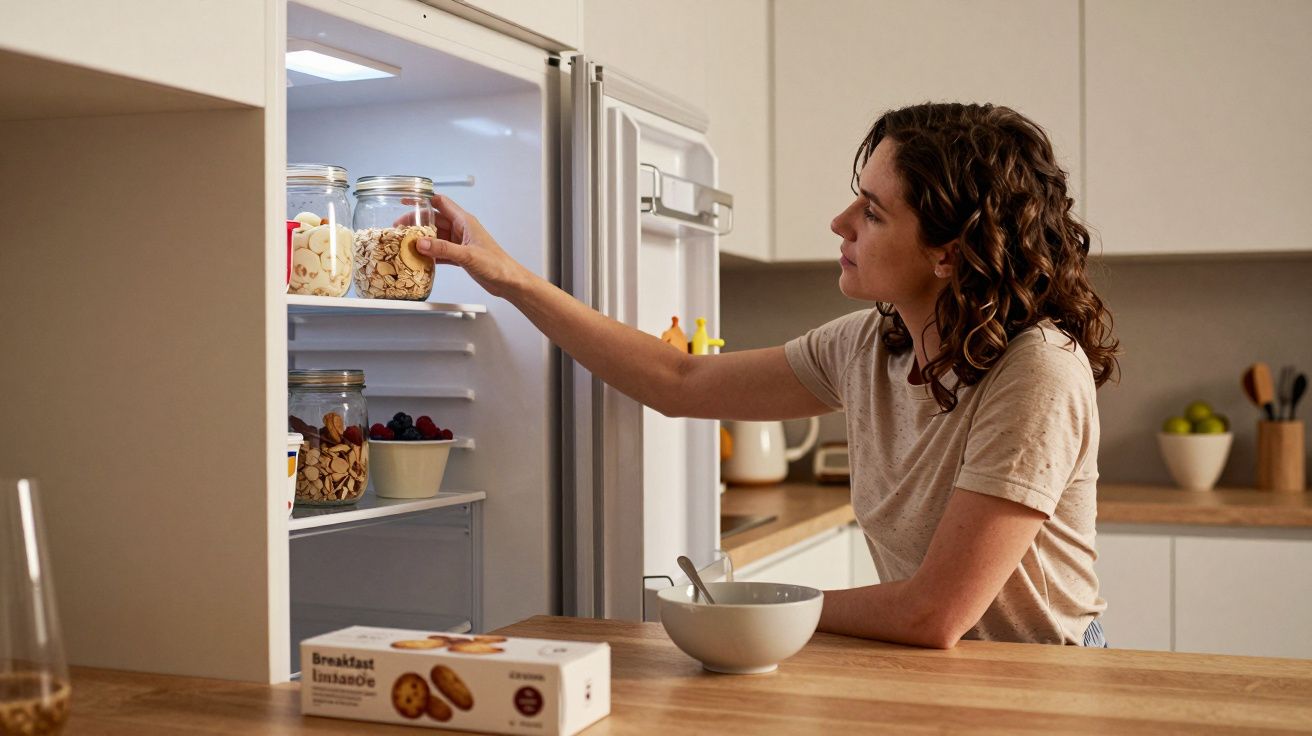
But in modern use, it’s often the opposite: chocolate as constant accompaniment. It gets folded into stuffed cookies, piled into freakshakes, melted over brownies that were already sweet, and chopped into cereal bowls that didn’t need it. The result isn’t more pleasure; it’s less contrast, and that’s what makes flavours feel “flat”.
Chocolate doesn’t become boring because it changed overnight. It becomes boring because we stop treating it like an event.
Where Cadbury actually shines (and why)
Cadbury has a specific profile: creamy, straightforward, designed for broad appeal and easy eating. That’s a strength - if you put it in the right lane.
Use it when you want simplicity, not spectacle
- A standard bar with tea or coffee, where the drink provides bitterness and heat.
- A small piece with fruit (banana, strawberries) where the fruit brings acidity and freshness.
- A modest topping on porridge or yoghurt, where it reads as a treat rather than the main flavour.
In these settings, Cadbury’s sweetness feels comforting instead of relentless, and the dairy notes don’t get lost under layers of sugar-on-sugar.
Avoid asking it to carry “luxury” on its own
When Cadbury is used as a premium signal - stacked high, drizzled everywhere, paired with marshmallows and syrup - it can start tasting like a shortcut. The brand gets blamed for being “too sweet” when the real problem is that the build has no balance: no salt, no bitterness, no texture change, no restraint.
The most common mistakes are behavioural, not culinary
A lot of Cadbury disappointment isn’t about recipes. It’s about habits that turn a treat into background consumption.
1) Using it as a reward loop
Chocolate after a stressful email. Chocolate for surviving the school run. Chocolate because the afternoon dipped. The taste stays the same; the pattern changes your relationship to it.
If every minor discomfort earns a sugary fix, you stop noticing the chocolate and start chasing the relief. That’s not a Cadbury problem - it’s a cue-and-response problem.
2) Upsizing by stealth
“Fun-size” multipacks. A bowl of “a few” buttons. Baking with chunks plus a drizzle plus a filling. The portions grow without ever feeling like a decision.
One practical check: if you can’t describe the portion before you start eating, it’s probably not a portion - it’s grazing.
3) Using Cadbury to cover weak flavours
Bad brownie? Add more chocolate. Bland ice cream? Add more chocolate. The problem is that sweetness is a loud instrument. It drowns out subtlety, but it doesn’t create depth.
Depth comes from contrast: salt, roast notes, tang, crunch, temperature.
A simple framework: pick one job for the chocolate
Instead of asking Cadbury to be everything, assign it a single role in whatever you’re eating.
| The job | What it means | A better Cadbury use |
|---|---|---|
| Accent | Small highlight, not the base | Shavings on fruit or porridge |
| Texture | Bite and snap | Chunks in a plain biscuit dough |
| Finish | A clear end note | Two squares after a meal |
Once you pick the job, you can stop piling on extras that make the whole thing taste like a sugar fog.
How to make Cadbury feel “special” again without changing brands
You don’t need a different bar. You need different boundaries.
- Buy single bars, not multipacks, if you’re trying to make it occasional rather than ambient.
- Pair it with something that pushes back: black coffee, salted nuts, sharp berries, even a pinch of salt on melted chocolate.
- Keep it visible and deliberate: put two squares on a plate, put the rest away, and treat it as a course.
- Save the big formats for occasions: seasonal items and gifts work because they’re tied to time and meaning.
This isn’t moralising; it’s mechanics. Scarcity and contrast are what make sweetness register as pleasure rather than noise.
What “better use” looks like in real life
A few scenarios that tend to work because they limit the role Cadbury plays:
- Weeknight dessert: Greek yoghurt, raspberries, a small handful of chopped Cadbury on top. Cream meets tang; chocolate stays an accent.
- Baking: One chocolate element only - either chunks or drizzle, not both. Add salt to sharpen it.
- Snacking: Two squares with tea at a set time, not a rolling handful during scrolling.
The goal isn’t to eat less chocolate forever. It’s to stop using it as emotional filler and start using it as flavour.
The takeaway worth keeping
Cadbury isn’t the villain in your cupboard. The problem is the modern habit of deploying it everywhere, at all times, and expecting it to deliver novelty, comfort, and indulgence simultaneously.
Treat it like an event again - and it will taste like one.


Comments (0)
No comments yet. Be the first to comment!
Leave a Comment