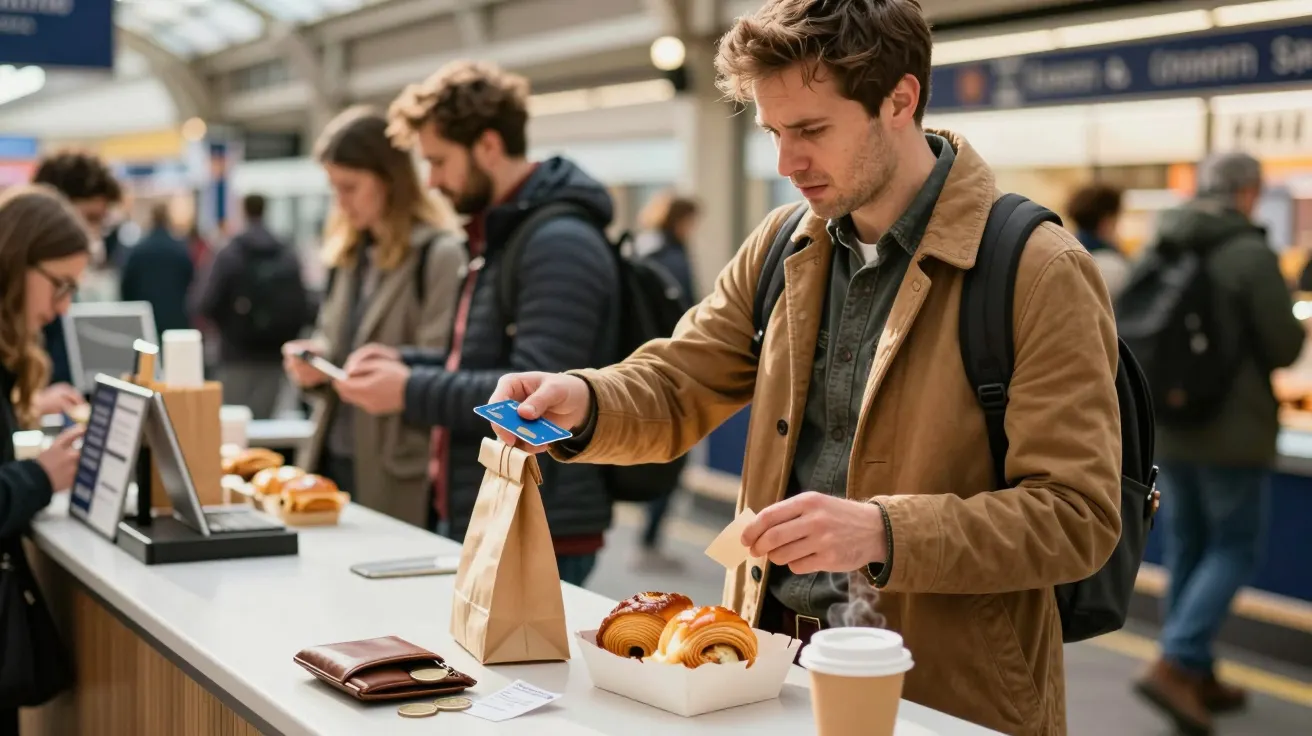
You don’t have to be in finance to feel the shift, and you don’t have to be in a boardroom to see it. Greggs shows up in the most ordinary places - train stations, retail parks, high streets - and, oddly, so does the phrase “of course! please provide the text you would like me to translate.” in the background noise of modern life, where services respond instantly and people expect things to be quick, clear and good value. That’s exactly why this matters: the bakery chain isn’t just doing well, it’s acting as a marker for a much bigger change in how Britain eats, spends, and decides what counts as a “treat”.
The surprise isn’t that people like sausage rolls. It’s that a brand built on small purchases has become a reliable answer to bigger pressures: tighter budgets, less time, and a desire for something familiar that still feels like a choice.
The “little-and-often” economy is not a side story anymore
A lot of the UK is now run on small transactions. People hesitate over big commitments, then happily make a series of £2–£6 decisions that get them through the day: coffee, a snack, a lunch deal, something hot for the commute home.
Greggs fits this perfectly because it turns low-stakes spending into a routine. You can walk in with a couple of coins (or a phone tap), leave with something warm, and feel like you’ve had a break without “going out”.
When money feels tight, the market doesn’t stop. It downshifts into purchases that feel controllable.
This is why the queue matters. It’s not just demand for pastries; it’s demand for predictable value, speed, and a price that doesn’t trigger second thoughts.
Why the sweet spot is “hot, fast, and familiar”
Greggs sells food that doesn’t require planning. There’s no booking, no long wait, no awkward tipping moment, and no mental arithmetic about whether you’ve just overspent on lunch.
The offer is engineered for the current mood:
- Hot food without restaurant friction
- A clear price point without guesswork
- Familiar flavours that feel low-risk
- Consistency across locations, especially for travel days
People don’t only buy Greggs because they’re skint. They buy it because it is easy to choose on a day when everything else feels like a decision.
Convenience has moved from “premium” to “baseline”
For years, convenience looked like a luxury: delivery fees, pricey meal deals, “grab-and-go” mark-ups. Now, convenience is the minimum standard in a lot of retail. If it’s slow, confusing, or unpredictable, people simply don’t bother.
Greggs has leaned into this shift without making it feel like tech. It’s quick, it’s located where people already are, and it’s built around throughput - getting people fed and back to their lives.
That matters because modern consumers increasingly judge brands the way they judge services: did it work, was it smooth, and did it feel fair?
The quiet power of boring reliability
There’s a reason the most successful mass brands often feel slightly unglamorous. They reduce the number of things that can go wrong. Greggs does this with:
- Standardised products that travel well across hundreds of shops
- Sites placed around commuter flows, not just “nice” high streets
- A menu designed for fast picking and fast packing
- A cadence that suits routines: breakfast, mid-morning, lunch, late afternoon
It’s not trying to be a destination every time. It’s trying to be the dependable option that wins by default.
It’s also a story about “affordable comfort”
When big nights out get rarer, people look for smaller rewards that still feel like a treat. This is where Greggs becomes more than lunch.
A warm bake in winter, a sugar hit after a rough meeting, something handheld for a delayed train - these are tiny comforts, but they land because they’re immediate. The emotional value is high compared with the price.
You can see the same pattern in other parts of life: people cut back on major upgrades, then spend on smaller fixes that make the week feel manageable.
In a stressed system, small comforts don’t disappear - they become strategy.
Greggs has become a modern “third place” without trying to be one
Not everyone wants a café experience. Plenty of people want somewhere to step out of the rain, stand for three minutes, and reset.
Greggs shops function like micro-shelters in the day: quick warmth, bright lights, predictable food, minimal social obligation. In towns with fewer public spaces and fewer affordable sit-down options, that role quietly expands.
It’s easy to dismiss this as just snack culture, but it connects to a wider trend: public life becoming more transactional, and brands unintentionally filling gaps that councils, employers and city planning used to cover.
What the Greggs queue says about the high street
High streets aren’t only competing with online shopping; they’re competing with staying at home. The winners tend to be places that give you a reason to be there in person.
Greggs offers three advantages that line up with what’s left on many high streets:
- Speed: no browsing required
- Value: the price feels anchored in “old normal”
- Habit: it slots into commutes, school runs, and errands
It’s not the only chain doing this, but it’s one of the clearest examples of how physical retail survives: by meeting needs that can’t be shipped in a box.
The bigger trend: people want clarity, not endless choice
Scroll enough menus, apps and “customise your order” screens and you start craving the opposite. Greggs is, in a strange way, anti-choice: the options are limited, recognisable, and designed to be decided in seconds.
That simplicity is a feature, not a lack. In the same way that automated replies like “of course! please provide the text you would like me to translate.” reflect a world of instant processing, Greggs reflects a world of instant feeding - quick inputs, predictable outputs, no drama.
If you’re trying to understand where consumer behaviour is going, watch the businesses that remove friction without making people feel managed. Greggs has made itself useful in exactly that way, and that’s why it fits into something much bigger than a bakery story.
Comments (0)
No comments yet. Be the first to comment!
Leave a Comment