You notice it most when you’re late: the shower turns thin, the kitchen tap takes forever to fill the kettle, and the combi boiler starts doing that on–off sulk. Low water pressure isn’t just an annoyance in pressurised water systems - it’s often the first readable symptom that something in the chain is restricted, mis-set, or failing. If you can spot the real cause early, you can stop wasting time on “maybe it’s the weather” myths and fix what actually controls flow.
The frustrating part is how it comes and goes. One morning it’s fine, the next it’s a trickle, and you start blaming the street, your neighbour, or the house being “old”. But pressure problems have patterns, and the pattern usually points to a specific component.
The myth: “Pressure just drops sometimes”
People talk about low pressure like it’s random, like rain: it happens, you endure it, you move on. In reality, water doesn’t do moods. It does physics, valves, restrictions, and demand.
The trick is to stop asking “why is it low?” in the abstract, and start asking where it is low. One outlet or all of them? Hot only or hot and cold? Only at peak times or 24/7? Those answers narrow the fault faster than any guesswork.
The real cause is usually one of three bottlenecks
Most cases come down to a simple story: your supply is being choked, your system can’t maintain pressure, or your “pressure” problem is actually a flow problem at the tap.
1) A restriction on the incoming supply (cold side too)
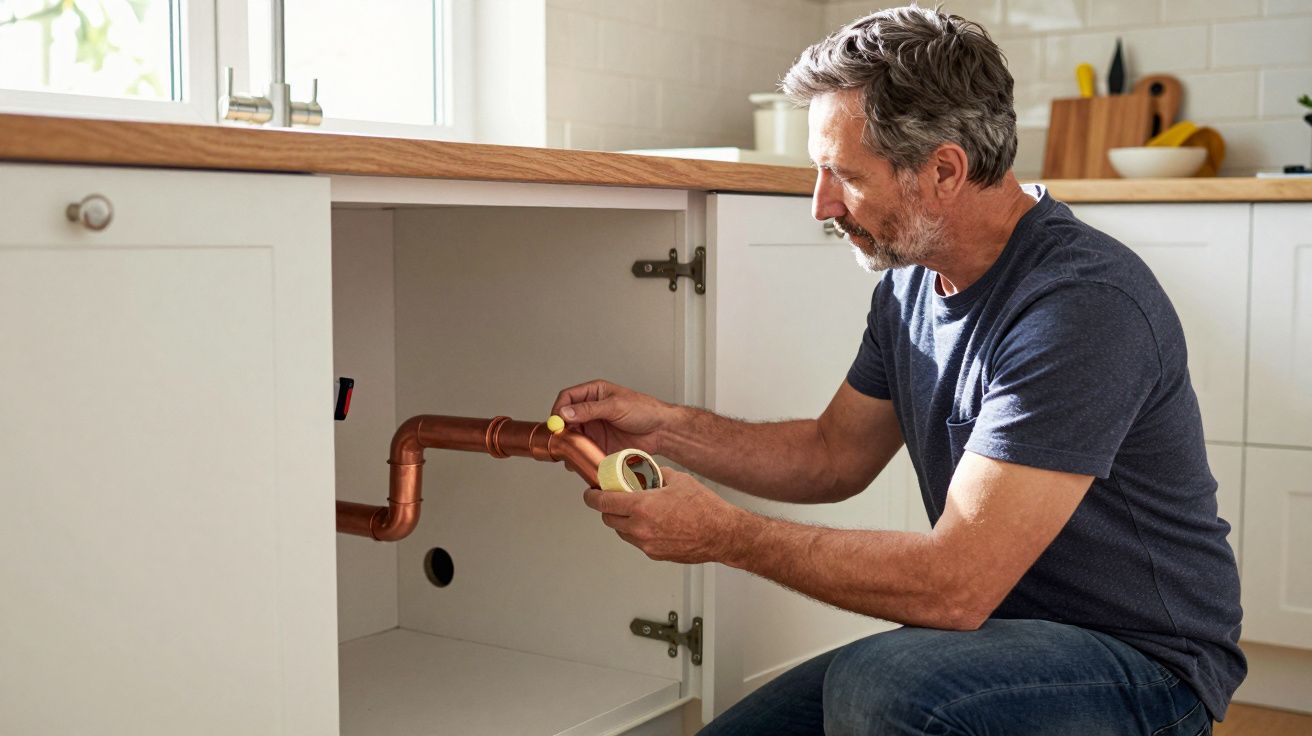
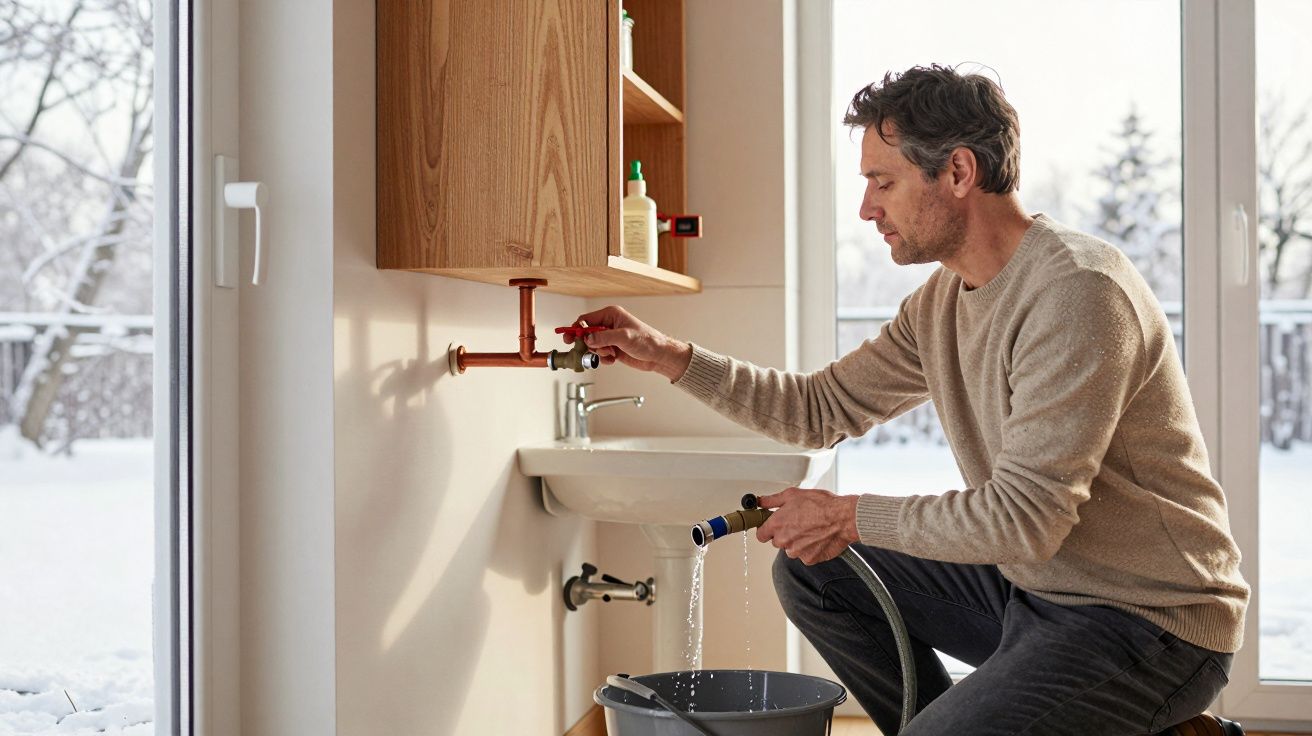
If both hot and cold are weak, start with the boring bits. Part-closed stop taps, seized isolation valves, and crushed flexible hoses can reduce flow so gradually you don’t notice until you do.
In older properties, limescale and internal corrosion can narrow pipework like cholesterol. You still “have water”, but the available flow collapses the moment two things run at once.
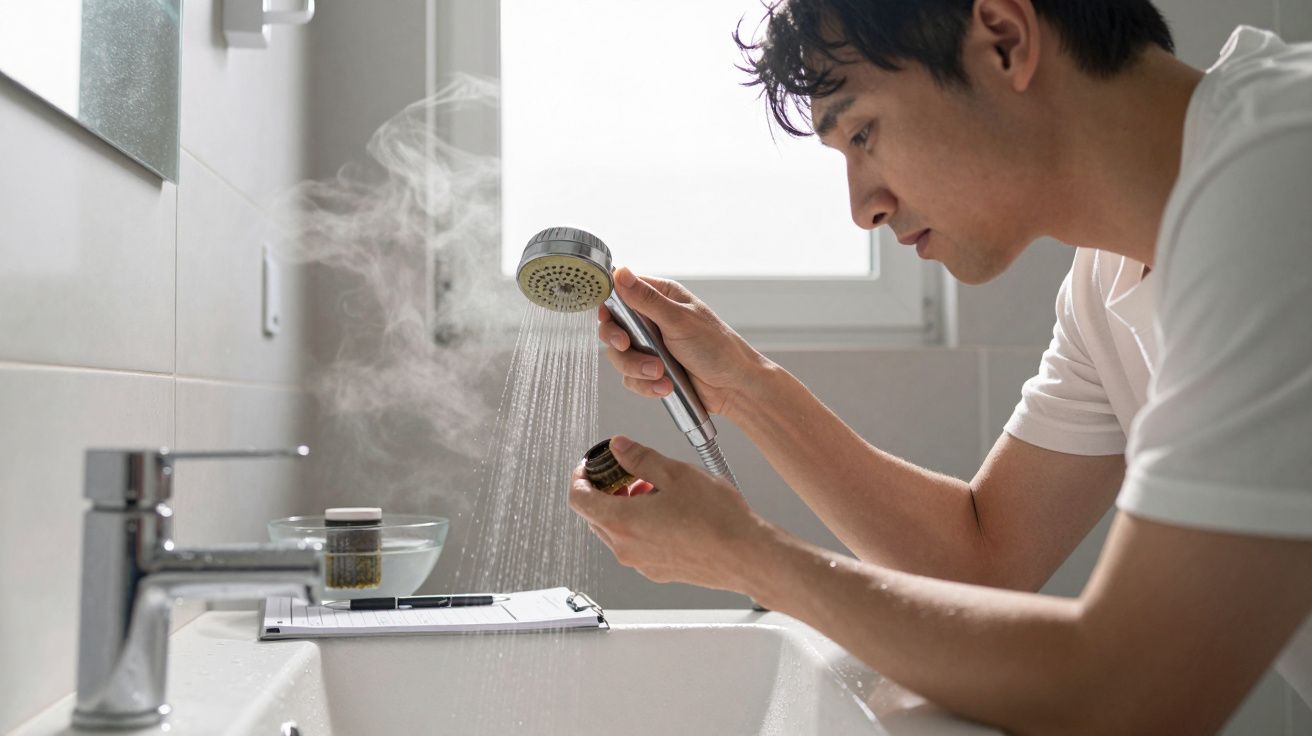
Quick checks you can do: - Find the internal stop tap and make sure it’s fully open (gently: don’t force a stiff valve). - Compare the kitchen cold tap to a bathroom cold tap. If the kitchen cold is also weak, it’s likely upstream. - Remove and rinse the tap aerator (the little mesh) - you’d be surprised what collects there.
2) Pressure is fine - demand is the problem (peak-time drops)
If it’s worst in the morning and evening, it may be network demand. Lots of homes drawing water at once can reduce the available pressure at your boundary, especially at higher elevations or at the end of a run.
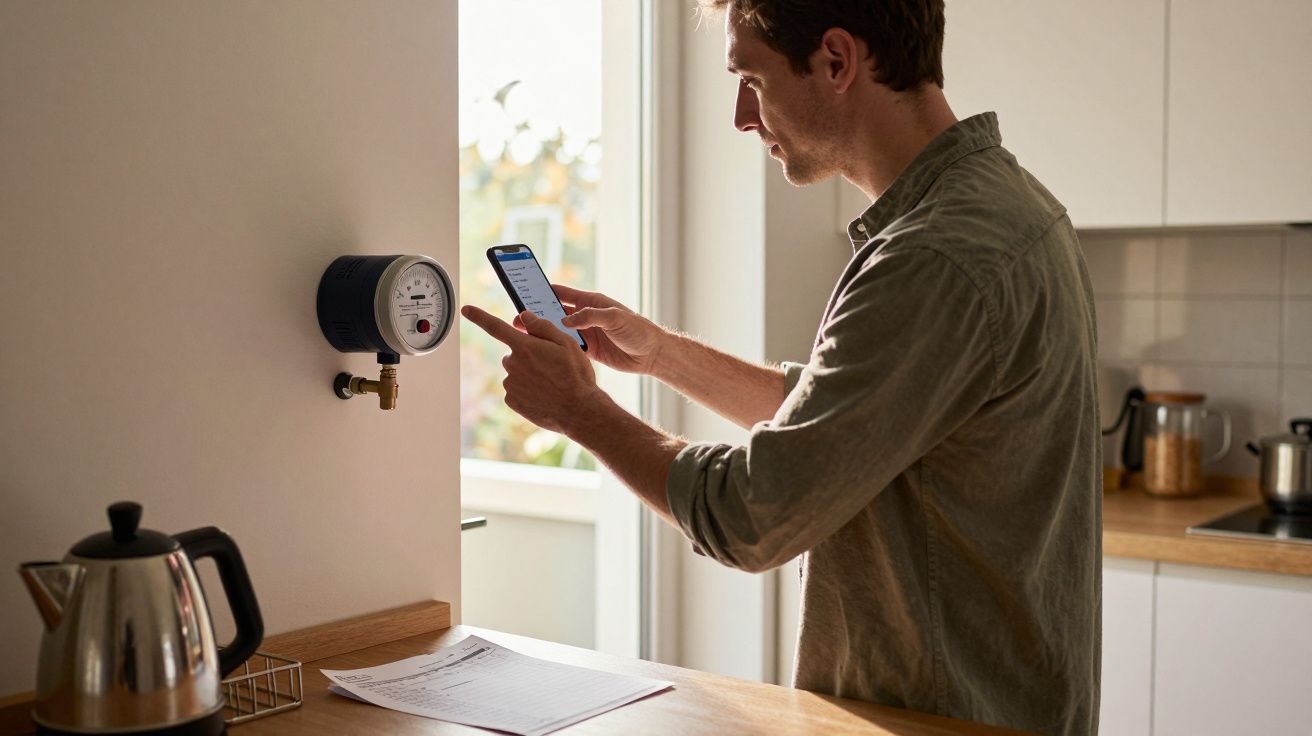
That doesn’t mean “nothing can be done”. It means you should document it before anyone shrugs. Take short notes: time, which outlets, hot/cold, and whether neighbours see the same. A week of simple evidence beats a single angry phone call.
3) Your pressurised system isn’t holding its side of the bargain (hot side or whole house)
Pressurised water systems inside the home-combi boilers, unvented cylinders, booster pumps-need the right fill pressure, air charge, and controls to stay stable. When they drift out of spec, the water feels “weak” even when the mains is fine.
Common culprits: - Combi boiler filling loop left closed after a pressure drop (or pressure lost due to a leak) so the boiler runs under-pressurised. - Expansion vessel losing its air charge, causing pressure swings and relief valve discharge. - PRV (pressure reducing valve) mis-set or failing, especially on unvented cylinders. - Blocked filters/strainers in the boiler, cylinder inlet set, or pump.
If it’s mainly the hot water that’s poor, don’t waste a day blaming the water company. Your hot system is telling you something.
A 5-minute “map” to find where the drop begins
You don’t need a toolkit to start; you need a sequence. Treat it like an investigation rather than a rant.
- Test cold first: kitchen cold tap on full. Is it strong?
- Test hot next: same outlet, hot on full. Is it noticeably weaker than cold?
- Test another outlet: ideally upstairs, to see if height makes it worse.
- Run two taps at once: if it collapses instantly, you’re likely dealing with restricted flow or insufficient supply.
- Check one simple choke point: tap aerators and shower heads (clean them), then look at visible flexible hoses and isolation valves.
Let’s be honest: nobody really does this in order. We jump to the scariest explanation, then circle back to the obvious.
“Low pressure” is often your house saying: something has narrowed, and you’re finally asking it to do more than it can deliver.
- If cold is poor everywhere, suspect incoming restriction, stop tap, or network supply.
- If cold is fine but hot is poor, suspect boiler/unvented cylinder settings, filters, or a failing component.
- If it’s only one tap/shower, suspect the fitting itself (aerator, cartridge, hose, shower mixer).
What not to do (because it wastes time and sometimes makes it worse)
When pressure drops, the temptation is to “twiddle until it improves”. That can hide the fault or create a new one.
Avoid: - Forcing stiff stop taps or gate valves (they can snap or start leaking). - Constantly topping up a combi boiler without checking why it lost pressure (a leak or relief discharge may be the real issue). - Adjusting an unvented cylinder’s controls unless you’re qualified-those safety devices are not optional.
If you have an unvented cylinder and suspect pressure regulation issues, get a G3-qualified engineer. Safety isn’t a vibe; it’s a standard.
A simple snapshot to hand to a plumber (or to the water company)
If you want a fast fix, give a fast picture. Here’s what helps whoever you call to diagnose without guesswork.
| What you notice | Likely direction | What to record |
|---|---|---|
| Hot weak, cold strong | Boiler/unvented issue | Boiler pressure, any error codes, which outlets |
| Both hot and cold weak | Supply/restriction | Stop tap position, times of day, any recent works |
| Only one outlet weak | Local blockage/fitting | Which tap/shower, whether aerator cleaned |
FAQ:
- How do I tell pressure from flow? Pressure is the “push” in the pipe; flow is how much comes out. A blocked aerator can give you low flow even if pressure is fine.
- Why is it worse upstairs? Height and pipe runs add resistance. If supply is marginal, upstairs outlets show the problem first.
- My combi boiler pressure keeps dropping - is that related? Yes. Low boiler pressure can reduce hot water performance and heating reliability; repeated drops often indicate a leak or a faulty relief/expansion setup.
- Could it just be limescale? Absolutely, especially in hard-water areas. It can restrict tap cartridges, shower heads, and even pipework over time.
- When should I call the water company? If cold water is weak at multiple outlets (especially the kitchen cold) and the stop tap is fully open, ask them to check supply pressure at your boundary.

Comments (0)
No comments yet. Be the first to comment!
Leave a Comment