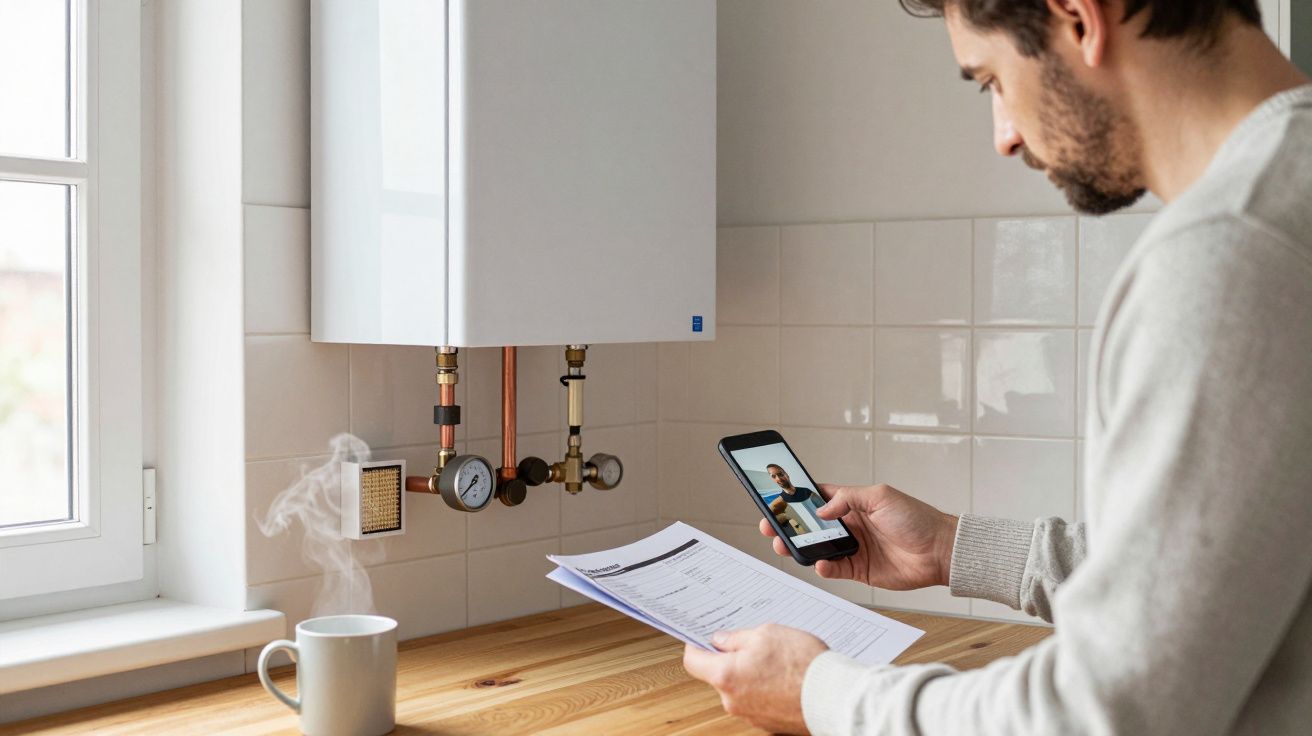
It’s often at 7:10 on a cold Monday that you notice something’s off. The radiators are lukewarm, the shower pulses hot–cold, and you’re staring at a brand-new flue outside wondering how a new boiler installation can still leave you living with the same old headaches. The uncomfortable truth is that many “faulty boiler” call-outs are really installation errors - quiet, boring mistakes that only show themselves once you’re the one paying the bills and resetting the pressure.
There’s a reason this matters: a boiler is not a toaster. It’s a combustion appliance connected to gas, water, electrics, drainage, and your home’s airflow, and it only behaves as well as the system it’s dropped into.
The promise of “new” vs the reality of “fits in the van”
The sales pitch is clean: higher efficiency, lower bills, fewer breakdowns. Then the installer arrives and the day turns into a race against daylight, parking restrictions, and a quote that didn’t quite allow for surprises. Nobody sets out to bodge a job, but shortcuts have a way of becoming “standard practice” when margins are tight.
A boiler swap can be straightforward, yet your house rarely is. Sludge in old pipework, undersized gas supply, a condensate route that freezes, a flue that needs proper clearance - these aren’t glamorous details, but they decide whether the upgrade feels like progress or just a shinier box making the same complaints.
Where things actually go wrong (and why it feels random)
Most homeowners expect a clear failure: it works or it doesn’t. Boiler problems after a new install tend to be messier - the kind of intermittent nonsense that makes you doubt your own memory. That’s because many installation errors don’t stop the boiler running; they push it into inefficient, unstable, or self-protective behaviour.
Here are repeat offenders, seen again and again:
- System not properly cleaned and protected: skipping a thorough flush, not fitting a filter, or failing to dose inhibitor. The boiler then inherits sludge and magnetite like a new tenant inheriting the old damp.
- Incorrect sizing or poor load calculation: too big can short-cycle (on/off constantly), too small can struggle at peak demand. Either way, comfort suffers.
- Gas supply not checked properly: an undersized pipe or low working pressure can cause ignition faults or weak hot water performance that looks like “a bad boiler”.
- Flue and air intake issues: wrong clearances, poor sealing, or recirculation can trigger safety shutdowns and nuisance faults.
- Condensate pipe problems: badly routed external runs, no insulation, poor fall, or incorrect termination. In a UK winter, that’s an invitation to frozen lockouts.
- Controls set up like it’s 1998: no weather compensation, wrong flow temperature, no balancing, thermostats in daft places. You end up overheating rooms and blaming the appliance.
The pattern is simple: the boiler is the headline, but the system is the story.
The hidden cost: efficiency that exists only on paper
Modern boilers can be genuinely efficient, but only when the return temperatures are low enough and the system is balanced so heat actually transfers into the house. If an installer leaves the flow temperature cranked high “to make sure it’s warm”, you may never get proper condensing operation. You’ll still have a new appliance - and the same expensive habits baked into the setup.
This is where people feel cheated. The quote promised savings, the finance agreement is humming away, and yet the direct debit doesn’t budge. It’s not always because energy prices rose; sometimes it’s because the install never gave the boiler a chance to run efficiently in the first place.
“A boiler can be technically ‘working’ and still be installed wrong. That’s why the problems feel like ghosts.”
How to keep your agency when you’re not the engineer
You don’t need to become a heating nerd, but you do need a basic method - the home version of “follow the triangle”: evidence, settings, and paperwork.
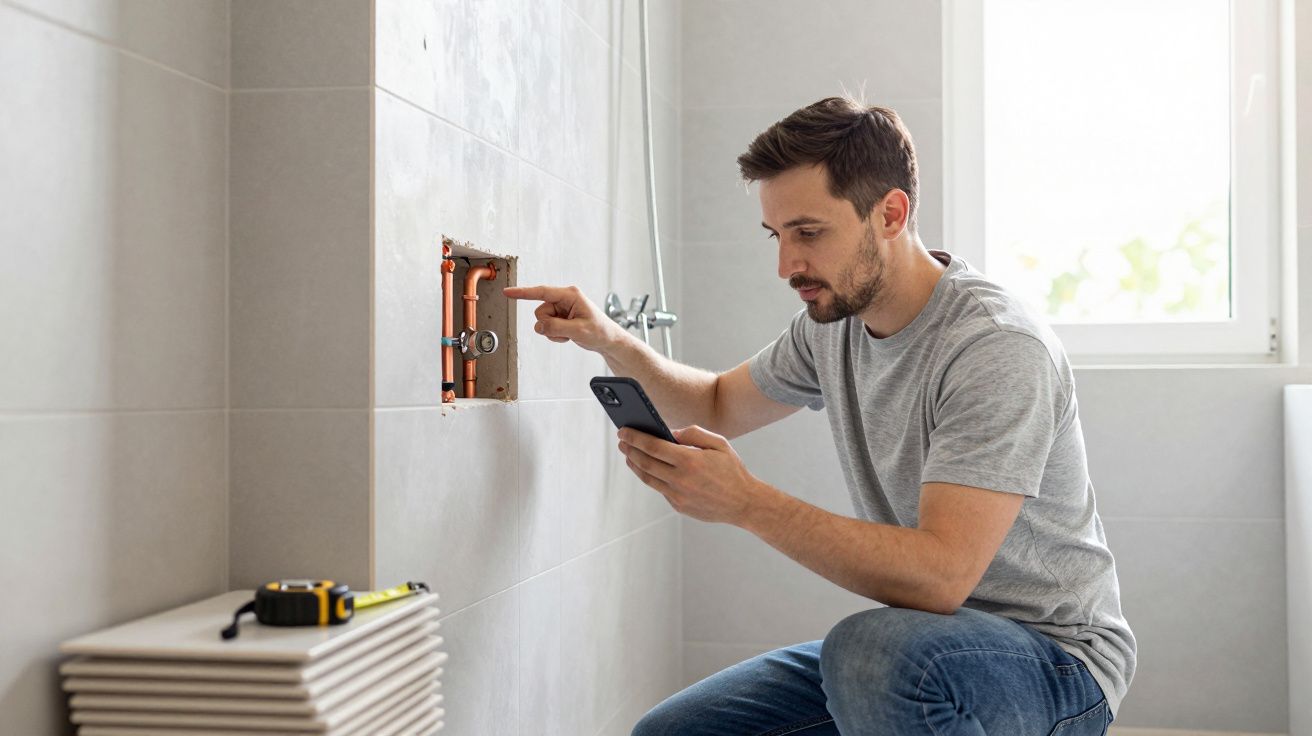
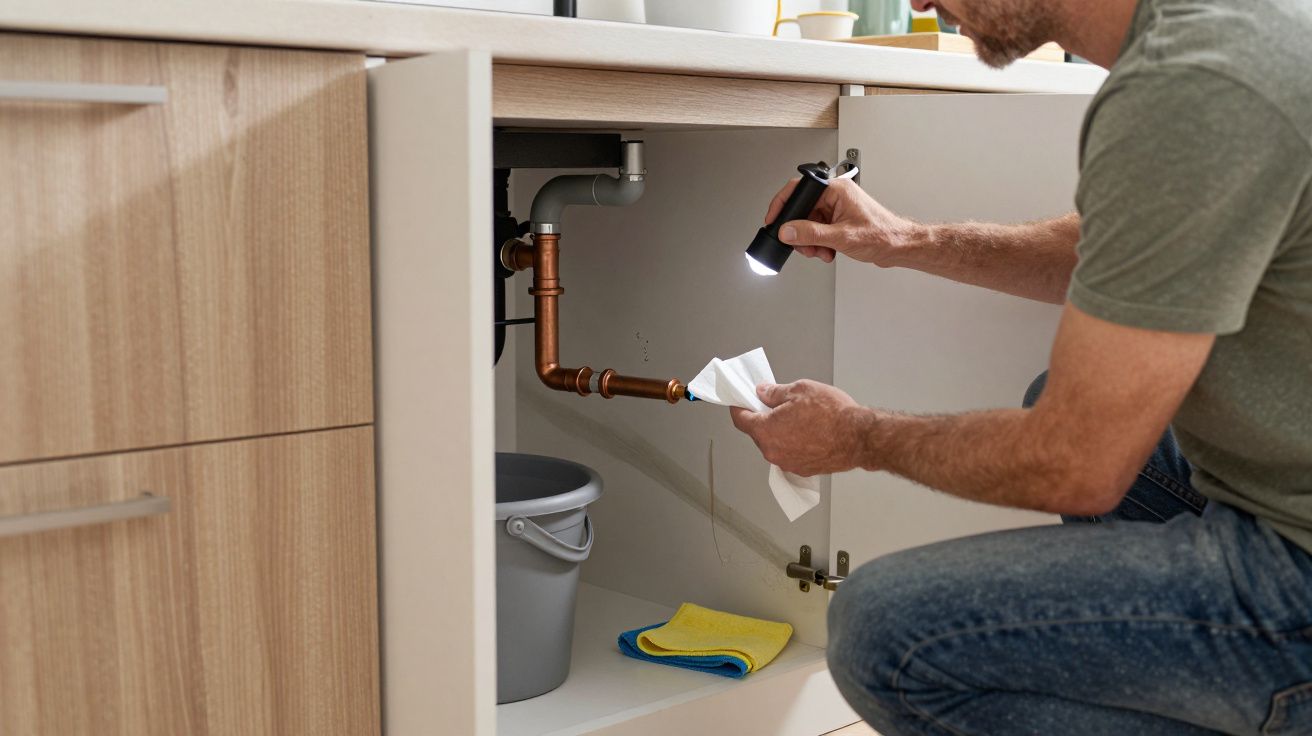
Evidence: take photos of the install (flue position, filter, condensate route, control setup), and note symptoms with dates. Intermittent faults become much easier to challenge when you can show a pattern rather than a vibe.
Settings: ask what flow temperature has been set to, and why. For many radiator systems, running lower and longer is the point; if it’s set sky-high with no explanation, you’ve learned something.
Paperwork: insist on the commissioning checklist, Benchmark logbook completion, and (where applicable) Building Regulations notification. These documents aren’t bureaucracy for its own sake - they tell you what was actually tested and recorded.
If you want a practical, non-confrontational script, use questions that force specifics:
- “What did the gas rate / working pressure test show, and where is it recorded?”
- “Was the system flushed to a standard (and is there a filter fitted)?”
- “What flow temperature and control strategy are you commissioning it for?”
- “How is the condensate protected against freezing?”
Let’s be honest: nobody asks these questions because they’re fun. They matter because vague answers are where expensive surprises live.
What a “good” install looks like in the boring details
A solid new boiler installation often looks unremarkable. The pipework is neat, yes, but the real signs are procedural: checks done, readings written down, controls explained, system treated like a system.
In practice, it means:
- A proper powerflush or robust chemical cleanse, plus a magnetic filter and inhibitor.
- Radiators balanced so heat distributes evenly, not “hot near the boiler, cold at the end”.
- Gas supply verified for the appliance, not assumed because the old boiler “seemed fine”.
- Condensate routed sensibly, with minimal external runs and protection where unavoidable.
- Controls set up so the boiler can modulate rather than slam on and off all day.
None of this is exotic. It’s just the difference between installing a product and commissioning a heating system.
The uncomfortable truth (and the fix that actually works)
The uncomfortable truth is that a new boiler doesn’t reset your house. It inherits your pipework, your controls, your insulation level, and your installer’s attention span on a Friday afternoon. When installation errors slip in, they don’t always trigger a dramatic failure; they create a slow leak of comfort, money, and trust.
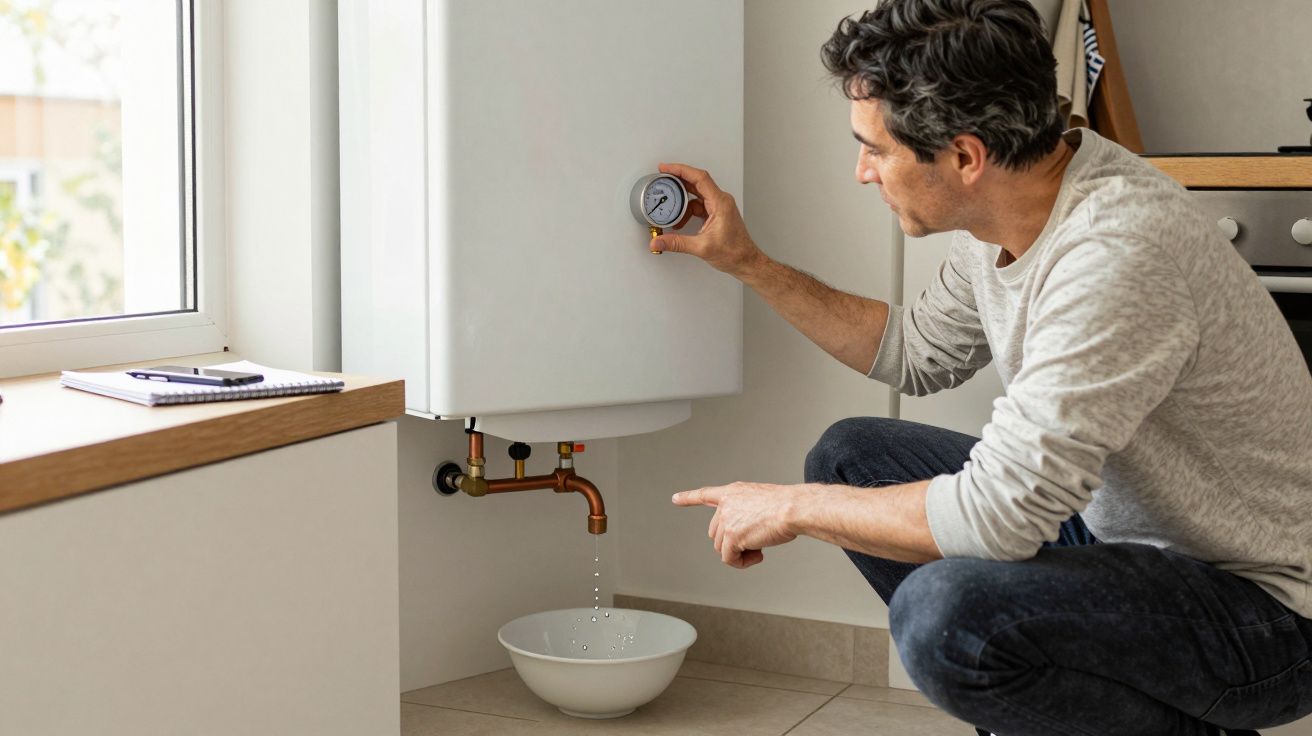
The fix is equally unsexy: get the install assessed like an engineer would assess it. If you’re within warranty or guarantee periods, push for a commissioning review - not just a fault code reset - and ask for the recorded readings and setup decisions. The goal isn’t to “catch someone out”; it’s to make the system behave like the upgrade you paid for.
| What you notice | Likely cause | What to ask for |
|---|---|---|
| Hot water swings, rads uneven | Balancing/controls, poor system cleanliness | “Can you balance and confirm flow temp strategy?” |
| Frequent lockouts in cold weather | Condensate routing/freezing | “Show me the condensate route and frost protection.” |
| No bill savings, short-cycling | Oversizing, high flow temp, control setup | “What’s the sizing basis and current flow temp?” |
FAQ:
- Why do problems show up after a boiler swap if the boiler is new? Because the boiler depends on system conditions (cleanliness, flow rates, controls, gas supply). Installation errors can keep it running badly without stopping it entirely.
- Is a powerflush always required? Not always, but the system does need to be properly cleaned and protected. If the old system is dirty, skipping cleaning and filtration often causes ongoing issues.
- Can I change the flow temperature myself? Often yes, but do it carefully and with guidance from the manual or an engineer. The right setting depends on your emitters and comfort needs; too high can waste energy, too low can underheat.
- What documents should I have after installation? Commissioning/Benchmark paperwork, warranty registration confirmation, and Building Regulations notification (or evidence it’s been submitted).
- How do I challenge poor workmanship without starting a fight? Stick to specifics: recorded test results, commissioning settings, and visible standards (filter, condensate route, flue clearances). Ask for a commissioning revisit rather than a vague “it’s faulty” argument.



Comments (0)
No comments yet. Be the first to comment!
Leave a Comment