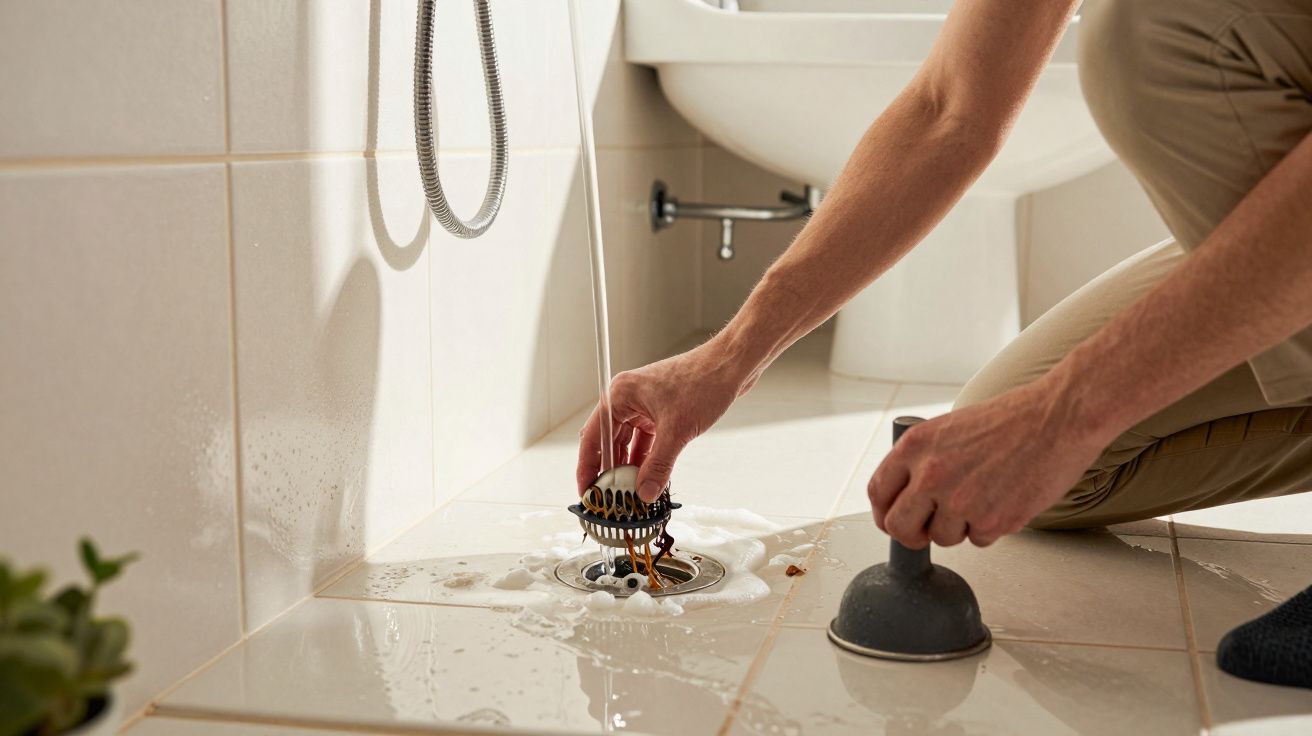
You notice it when the shower takes a beat too long to drain, or when the kitchen sink makes that dull gulping noise. Drainage systems are doing their job quietly under your floors and behind your walls, right up until they aren’t - and that’s when emergency plumbing repairs suddenly enter the chat. What makes drainage issues so annoying is how often they start small, look harmless, and then escalate fast.
You might think, “It’s just a bit of slow water.” Then a smell arrives. Then a gurgle. Then a patch of damp you can’t explain. By the time it’s unmistakable, the damage is often already underway.
The drain problem everyone tolerates (until it bites)
Most of us live with early symptoms because they’re intermittent. One day the basin clears fine, the next it pools a little. You rinse, you run the tap hotter, you tell yourself it’s probably hair or a bit of grease and it’ll shift.
That “probably” is the danger. Drainage systems rarely fail with fireworks; they fail with boring signs you can ignore for weeks. The quietness is exactly what lets them get expensive.
The pattern is familiar in UK homes: a Victorian terrace with older pipe runs, a newer flat with long horizontal wastes, a family house where the kitchen sink does double duty for everything from pasta water to paintbrush rinses. Different properties, same story - blockages don’t just block. They push pressure, bacteria, and water into places you don’t want them.
The early warnings that matter more than you think
A slow drain is the headline, but it’s not the only clue. The faster you spot the supporting cast, the less likely you are to end up with water where it shouldn’t be.
Look out for:
- Gurgling from plugholes after flushing the loo or emptying a sink (air is fighting for space in the pipe).
- Bad smells that come and go, especially after using hot water (build-up warms up and vents).
- Water rising in one fixture when you use another, like the shower tray bubbling when the washing machine drains.
- Multiple slow drains at once (often a main line issue rather than a single trap).
- Outside gullies overflowing after light use or mild rain (a classic “this is bigger than the kitchen sink” sign).
A single slow basin can be local. Two or three symptoms at once is the system telling you it’s under strain.
Why “a bit of gunk” turns into a proper failure
Blockages are rarely one thing. They’re layers.
In kitchens, grease cools and clings to pipe walls, then catches food particles like Velcro. In bathrooms, hair binds with soap scum and limescale until you’ve got a ropey plug that moves just enough to tease you. Add wet wipes (even the ones claiming to be flushable), and you get a mat that snags everything else.
Once the pipe narrows, the flow changes. Water slows, solids settle, bacteria multiply, and the blockage becomes self-reinforcing. That’s when you see “mystery” issues: smells, backflow, damp patches, even pests finding a route they like.
And if the restriction sits in the wrong place - a shared stack, a long run under a floor, an outdoor drain with roots nearby - it can go from nuisance to failure quickly, especially during heavy use or bad weather.
The DIY fixes that help - and the ones that quietly make it worse
There’s a reason people reach for quick solutions. No one wakes up excited to dismantle a U-bend. But not all “easy wins” are equal.
Worth trying early (and gently):
- Boiling water in stages for kitchen sinks (not on fragile plastic traps), to soften grease.
- Plunger with a proper seal, especially on basins and baths.
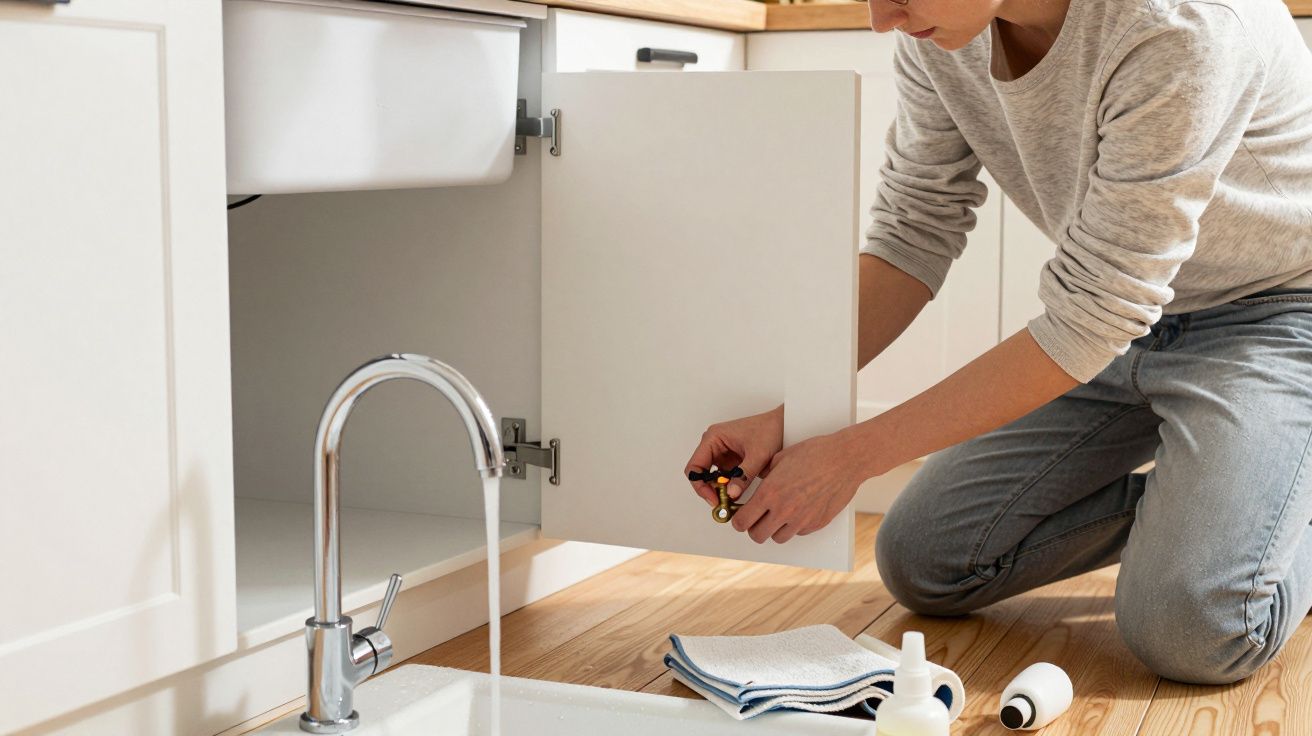
- Cleaning the trap under a sink if you can do it safely (bucket, gloves, slow and steady).
- Drain strainers to stop hair and food getting in again.
Be cautious with:
- Off-the-shelf caustic drain cleaners. They can damage older pipework and seals, and they’re nasty if you later need a plumber to rod or jet the line. They also don’t remove the cause if the blockage is further along.
- “Just keep flushing it.” That can push a partial blockage into a hard blockage, or force dirty water back through weak joints.
- Random tools down the plughole. Scratching pipes gives grease and grime more to grip, which makes the next blockage easier to form.
If you’ve tried the gentle basics and the symptoms return within days, that’s your cue: it’s not a one-off clog. It’s a build-up or a structural issue.
When drainage problems stop being “inconvenient” and start being urgent
There’s a tipping point where you’re no longer preventing a problem - you’re containing one. This is when emergency plumbing repairs become less about comfort and more about avoiding damage.
Treat these as urgent:
- Sewage smells or visible backflow (especially from low-level fixtures).
- Water appearing at the base of toilets, under units, or through ceilings.
- A completely blocked toilet in a one-toilet home.
- Overflowing external drains or repeated flooding near the property.
- Sudden damp patches with no obvious leak source.
The reason is simple: once water leaves the pipe, it doesn’t just disappear. It soaks into floors, plaster, insulation, and cabinetry - and that’s when a “drain issue” turns into a restoration job.
The quiet culprits people miss: outside drains, roots, and “shared” problems
Not every failure begins with what you tipped down the sink. Some start outdoors, and they’re easy to ignore because you don’t look at them every day.
Roots can infiltrate tiny cracks and joints, then thicken into a net. Leaves and silt build up in gullies. Ground movement can leave a pipe with a slight belly where water sits and debris collects. In flats, you can be doing everything right and still feel the effects of a shared stack that’s partially blocked elsewhere.
If the same blockage keeps returning, or affects multiple fixtures, the best money you can spend is often on finding out where it is, not guessing. A quick inspection (sometimes with a small camera) can turn weeks of annoyance into a clear plan.
A simple maintenance rhythm that prevents the drama
Let’s be honest: nobody “maintains their drains” as a hobby. But small habits stop the big failures from ever getting a foothold.
- Kitchen: wipe greasy pans with kitchen roll before washing; don’t pour fat down the sink; use a strainer.
- Bathroom: hair catcher in the shower; clear it every few days; avoid flushing wipes and cotton buds.
- Monthly: run hot water through kitchen wastes; check outside gullies are clear of leaves.
- If you live in an older property: take recurring smells and slow drains seriously - older joints and pipe runs are less forgiving.
A drainage system that’s flowing well is almost invisible. That’s the goal: boring, quiet, and reliable.
A quick snapshot: what “small” looks like vs what “fast” looks like
| Sign | Likely meaning | Best next step |
|---|---|---|
| One slow basin | Local build-up | Plunge, clean trap, use strainers |
| Two+ slow drains / gurgling | Partial main restriction | Stop guessing; get it assessed |
| Smell + backflow / overflow | Failure in progress | Treat as urgent; call help |
FAQ:
- Why does my drain smell even when it isn’t blocked? Often it’s a build-up in the pipe walls, a dry trap, or a venting issue. If the smell returns quickly after cleaning, it may point to a deeper restriction or poor airflow in the system.
- Are “flushable” wipes actually safe for drains? In practice, they’re a common cause of blockages. They don’t break down like toilet paper and can snag on rough joints and bends.
- When should I stop using chemical drain cleaner? If you’ve used it once and the problem returns, or if multiple fixtures are affected. Repeated use can damage pipework and complicate professional clearing.
- What’s the biggest sign it’s a main drain problem? Several slow drains at the same time, gurgling after flushing, or outside gullies overflowing. That usually means it’s beyond a single trap.
- Can a slow drain really cause property damage? Yes. A restriction can lead to backflow, leaks at weak joints, and water escaping into floors or walls - often before you see the full blockage.

Comments (0)
No comments yet. Be the first to comment!
Leave a Comment