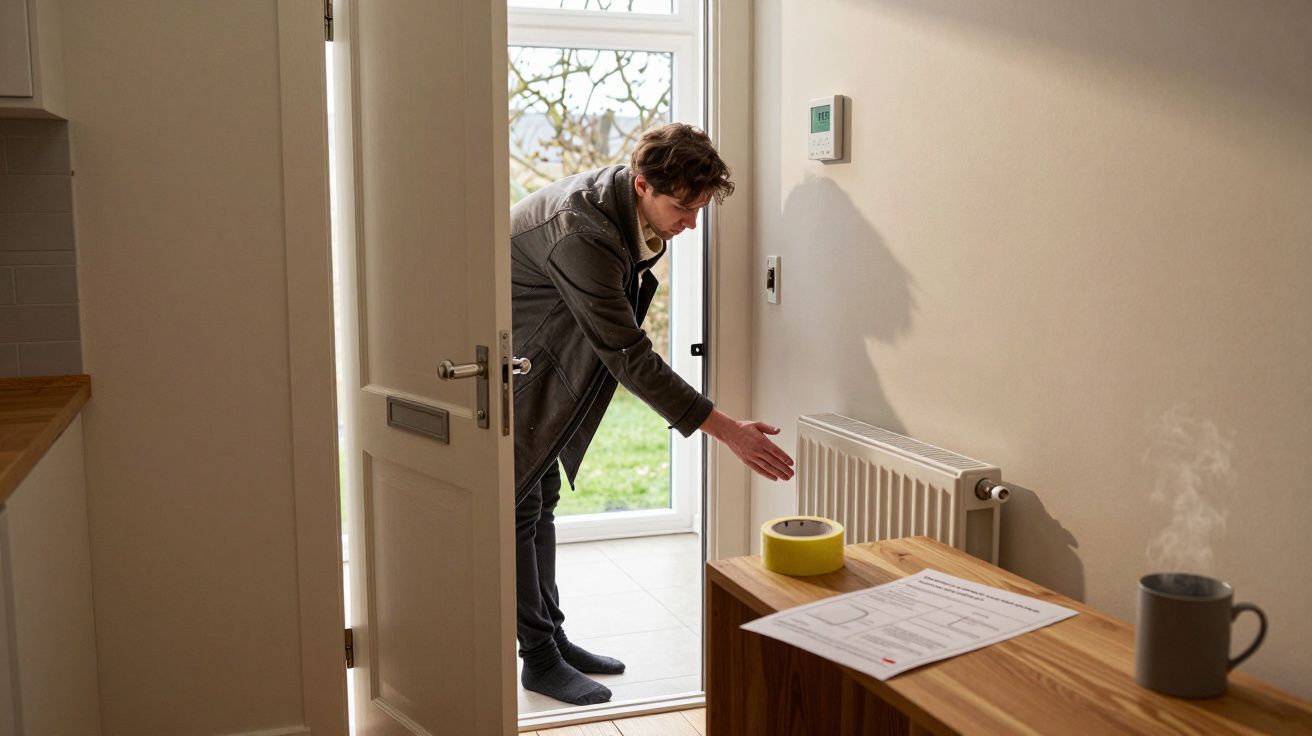
The moment you notice it is always the same: you’re in socks on a January morning, watching the thermostat climb, and wondering why the house still feels… thin. Heating system upgrades promise comfort and lower bills, but seasonal reality is the part brochures don’t live through - the first proper cold snap, the damp week, the day the wind finds every gap. That’s when a “smart” change can start to look like a complicated one.
In autumn, everything feels brilliant. Installers leave, apps light up, radiators look tidy, and the boiler cupboard suddenly has space. Then winter arrives with its long, grey evenings, and you learn whether the upgrade fits your home - or merely fits a sales pitch.
The upgrade people regret most: ripping out radiators too soon
The biggest post-winter regret I hear is surprisingly specific: swapping a radiator-based system for low-temperature heating without doing the boring groundwork first. That often means heat pumps (or lower flow temperatures on modern boilers) paired with undersized radiators, patchy insulation, and a house that loses heat faster than the new system can gently replace it.
On paper, low-temperature heating is efficient. In practice, it needs time and surface area: bigger emitters (larger rads or underfloor heating), better airtightness, and a steady “keep it ticking” approach rather than the old blast-and-bake routine. If your home is draughty or you expect quick bursts of heat, the first winter can feel like the system is “always on and still not warm”.
Picture this: late November, you come in soaked, twist the heating up like you always did, and nothing dramatic happens. The rooms creep from 17°C to 19°C over an hour, the hallway never quite catches up, and you start to mistrust the whole setup - even if the numbers say it’s working as designed.
Why it only hurts after the first cold spell
During a mild October, almost any system looks competent. The seasonal reality of UK winter is different: long runtimes, cold walls, high humidity, and demand peaks at 7am and 6pm when everyone wants warmth at once.
Three things collide:
- Heat loss you didn’t notice before. Loft insulation gaps, suspended floors, leaky doors, and single-glazed bays become the real “radiators” in the house - they radiate warmth outwards.
- Lower flow temperatures feel gentler. A radiator at 70°C feels hot to the touch and warms the room fast. A radiator at 45–50°C can be efficient, but it won’t give you that instant hit.
- Controls change the game. Weather compensation, zoning, and smart schedules reward consistency. If you keep overriding them, comfort often drops and costs can rise.
The regret isn’t always “this technology is bad”. It’s more: “I upgraded the engine but kept the leaky windows.”
The common misstep: upgrading the heat source before the house
A lot of people start with the shiny item - new boiler, new heat pump, new app - because that’s what you can point to. The better order is usually the unglamorous one: reduce heat loss, then size the system to the new reality.
A simple rule of thumb: if your home struggles to hold 20°C on a cold day with the old system, a lower-temperature system will expose that struggle, not magically fix it. The installer can only work with the building you have.
Do this before you commit (or before you blame the upgrade):
- Get a room-by-room heat loss survey, not a whole-house guess.
- Ask what flow temperature the design assumes on a -2°C day.
- Check whether radiators are being resized for low temps, not just reused.
- Budget for draught-proofing and insulation as part of the project, not “later”.
“The tech is often fine,” a heating engineer told me, “but winter is when the building tells the truth.”
How to upgrade without the January panic
The best heating system upgrades feel almost boring in winter: the house warms predictably, rooms hold temperature, and you stop thinking about it. Getting there is a sequence of small, correct choices.
A practical plan that works in real homes
- Start with fabric fixes. Loft insulation, sealing obvious draughts, and hot water cylinder insulation are usually the quickest wins.
- Sort emitters. If you’re going low-temperature, plan for larger radiators, fan-assisted rads, or underfloor where it makes sense.
- Get controls you’ll actually use. A schedule you constantly override is a schedule that doesn’t exist.
- Commissioning matters. Balancing, correct pump settings, and a proper handover prevent months of “it feels off”.
And don’t ignore the small comfort killers: cold hallways, unheated spare rooms, and bathrooms that never dry out. They’re where dissatisfaction breeds, even if the living room is fine.
Quick “reality checks” you can do this week
You don’t need a thermal camera to spot risk. A couple of low-tech checks reveal whether your home will suit gentle, efficient heating - or demand more support.
- On a cold evening, feel for air movement around doors, skirting boards, loft hatches, and letterboxes.
- Look for cold-surface clues: condensation on windows, mould spots in corners, and rooms that smell damp by morning.
- Note your habits: do you want fast bursts of heat, or are you happy with steady background warmth?
Be honest about lifestyle. A house empty all day, then suddenly occupied at 6pm, will behave differently from one that’s lived in and heated gently throughout.
The “regret map”: symptom, cause, fix
| What you feel in winter | Likely cause | What usually helps |
|---|---|---|
| Heating “on all the time” | Low-temp system + high heat loss | Insulation, draught-proofing, larger emitters |
| Rooms warm slowly | Undersized radiators at lower flow temps | Radiator upgrade, fan-assisted emitters, zoning |
| Bills not dropping | Poor commissioning or wrong settings | System balancing, flow temp optimisation, controls review |
The bottom line
If your upgrade depends on everything being perfect, winter will be the month that disagrees. Aim for a system that suits your building and your habits, and treat insulation and emitter sizing as part of the upgrade - not optional extras you’ll “get to later”. Comfort is a design outcome, not a brand name.
FAQ:
- Is a heat pump the upgrade people regret? Not automatically. Regret usually comes from pairing low-temperature heating with a leaky home or undersized radiators, then expecting instant warmth.
- Why does it feel fine in October but not in January? Mild weather hides heat loss and demand peaks. The seasonal reality of UK winter exposes drafts, cold surfaces, and control settings.
- Do I need underfloor heating for low-temperature systems? No. Many homes work well with larger radiators or fan-assisted radiators; the key is enough heat output at lower flow temperatures.
- What’s the quickest fix if my home feels colder after an upgrade? Check controls and flow temperature settings, then address obvious draughts and radiator sizing. A proper commissioning visit often makes a noticeable difference.
- Should I replace the boiler first or insulate first? Insulate (and reduce heat loss) first where possible, then size the heating system to the improved home. It’s usually cheaper and more comfortable in the long run.



Comments (0)
No comments yet. Be the first to comment!
Leave a Comment