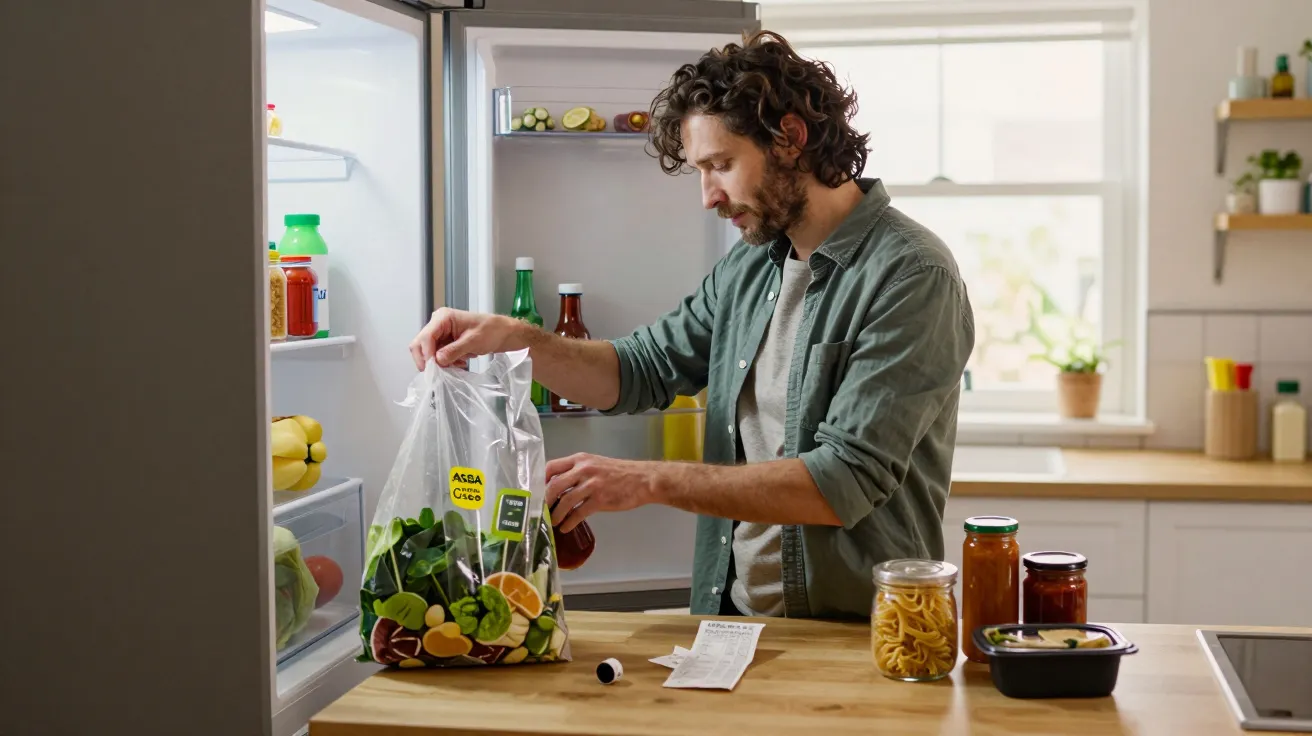
You notice it at the checkout, not in the aisles. Asda is built for quick, practical shopping, yet “of course! please provide the text you would like translated.” is the kind of polite placeholder you end up wishing someone had said to you before a small, boring mistake turns into a bigger, expensive one. The hidden issue isn’t the price on the shelf - it’s what happens between the shelf, the till, and your kitchen bin.
It starts with a “that’ll do” swap. A different pack size. A yellow-sticker reduction. A quick scan-and-go dash because you’re hungry and the car park is chaos. Then you get home and realise you’ve bought something that doesn’t fit the plan, the storage, or the week.
The quiet problem: your shop is optimised for the trolley, not the week
Supermarkets are good at getting you to the checkout with a full bag. They’re not designed to protect the fragile bits of your routine: the budget you set on Monday, the meals you’ll actually cook by Thursday, and the fridge space you forgot you didn’t have.
With Asda, the temptation is usually framed as “value”. But value only exists if you use it. A bigger bag of salad that wilts by day three is not a bargain; it’s a donation to the compost caddy.
The tricky part is that nothing feels wrong at the moment of purchase. In-store, you’re making dozens of tiny decisions under bright lighting, time pressure, and just enough hunger to make you reckless.
The hidden cost isn’t the extra £2 at the till. It’s the second shop you do two days later because half of the first one didn’t turn into meals.
Where it catches people out: substitutions, multi-buys, and “just in case”
Most households don’t blow the budget in one dramatic move. They leak it in three common ways that look sensible at the time.
1) The substitution spiral
Online or click-and-collect substitutions can be genuinely helpful, but they’re also where the plan quietly changes without your consent. A swapped brand might cook differently. A different size might break your recipe. A “similar” ingredient might be one you never reach for.
If you’ve ever unpacked a shop and thought, I didn’t order this, but fine, you know how this ends: it sits at the back until it expires, then you feel oddly guilty binning it.
2) Multi-buy maths that only works for some households
“2 for £X” is brilliant if you’ll use both before they turn. It’s quietly punishing if you’re cooking for one, sharing a small fridge, or simply not in the mood for the same thing twice.
Multi-buys encourage you to shop for an imaginary week where you always cook, never get invited out, and don’t suddenly crave toast for dinner.
3) The “just in case” top-up
This is the one nobody talks about because it looks responsible. Extra wraps, extra cheese, extra snacks “for lunches”. It’s insurance shopping - but the premium is food waste and duplicated cupboards.
The moment it’s “too late”: unpacking, then discovering you’ve bought friction
The worst shops aren’t the expensive ones. They’re the ones that create friction at home: too much to store, too many half-ingredients, too many items that require effort you don’t have on a Tuesday.
You only discover it when you’re putting things away and playing kitchen Tetris. The fridge can’t close properly, the salad drawer is crushed, and now you’re rushing to eat perishable food not because you want it, but because you feel you should.
A week later you’re back at Asda, not for a normal shop, but for “bits”: a fresh ingredient to replace the one that went off, something easy because you’re behind, and a treat because the whole thing has become annoying.
A simple reset: shop for meals you’ll repeat, not meals you’ll “try”
This isn’t about never buying treats or never taking a bargain. It’s about making the shop match your real life.
A small tweak that works surprisingly well is choosing two “default” meals you can repeat without boredom (for example: a pasta-based meal and a traybake), then buying the rest around them. Repetition sounds dull until you realise it prevents the midweek collapse.
Here’s the practical version:
- Pick 2–3 meals you genuinely cook when tired.
- Buy ingredients for those first, then add extras.
- Cap your “new/just in case” items at 3 per shop.
- If you’re ordering online, set substitutions to “do not substitute” for key recipe items (especially fresh herbs, specific proteins, and anything with an exact pack size).
You’re not removing spontaneity. You’re removing the stuff that punishes you later.
What to check before you pay (so you don’t pay twice)
A 30-second pause at the end of the shop is often the difference between a smooth week and a messy one.
- Count your perishables: if more than a third of your trolley goes off within 3–5 days, you’re betting on a perfect week.
- Scan for duplicates: bread, cheese, yoghurts, sauces - the items you already have.
- Ask “where will this live?”: if you can’t picture its place in the fridge/freezer/cupboard, you’ll forget it exists.
The quick “too-late” warning signs at home
| Sign | What it usually means | What to do next shop |
|---|---|---|
| You can’t close the fridge easily | Too many short-life items | Swap 2–3 fresh items for frozen/tinned |
| You’re cooking to “use things up” | You bought ingredients, not meals | Buy for 2 default meals first |
| You do a midweek “bits” run | The plan broke early | Reduce multi-buys and substitutions |
The point isn’t perfection - it’s fewer regret shops
Asda can absolutely be the backbone of a sensible household shop. The hidden issue is how easily a shop can drift from feeding you to filling space, and how expensive that drift becomes once you’re throwing away food and time.
If you catch it at the unpacking stage, you can still turn the week around. If you ignore it, you’ll feel it where it always shows up: another rushed trip, another total that’s higher than it should be, and another bag of salad you swear you’ll finish next time.



Comments (0)
No comments yet. Be the first to comment!
Leave a Comment