It starts as a sound you only half-notice: a faint, persistent hiss behind the bathroom door. Toilets and cisterns are meant to be boring, reliable kit - the quiet plumbing that lets you get on with your day - but overflowing cisterns can turn that boredom into a very expensive ceiling stain downstairs.
The maddening part is how often it happens in perfectly normal homes. Not because anyone is doing anything wrong, but because the same small set of failures repeats: worn seals, sticky floats, scale, bad adjustments, and the modern habit of “leaving it until the weekend”.
The night the ceiling went beige
Most cistern overflows don’t announce themselves with drama. They do it politely, in the background, while you’re asleep or out. A valve doesn’t quite shut, water keeps topping up, and the overflow route does its job - until it doesn’t, or until it’s been piped somewhere you never look.
If your toilet is upstairs, the first obvious sign is often downstairs: a damp patch that grows, a light fitting that starts to bubble, paint that blisters in slow motion. By the time you see that, the cistern has usually been “misbehaving” for days.
That’s why this particular leak feels personal. It’s not a burst pipe you can blame on bad luck. It’s a gentle, continuous waste - and it can still ruin plasterboard, warp joists, and invite mould into the void.
What “overflowing” actually means (and why you might not see water)
A cistern is a simple tank with a filling mechanism and a shut-off. When you flush, the water level drops, the fill valve opens, and it refills to a set height. In an ideal world, it stops there and everyone moves on.
Overflowing cisterns happen when the refill never properly stops, or when the level is set too high, or when water is quietly escaping through the flush valve into the pan so the fill keeps chasing it. In older setups, excess water might run out through an overflow pipe to the outside. In others, it ends up where you really don’t want it: into the bowl unnoticed, into a concealed void, or onto the floor beneath a boxed-in unit.
A useful mental model is this: you’re not dealing with a “sudden leak”. You’re dealing with a system that’s stuck in a loop.
The four boring faults behind most cistern floods
Plumbing problems love to look mysterious. In toilets, the causes are usually painfully ordinary.
1) The fill valve doesn’t shut off cleanly
Inside the cistern, a float (or cup float) rises with the water level and tells the fill valve to close. If that mechanism sticks, catches on the side, or simply wears, it can keep trickling.
Common triggers:
- Limescale build-up on the valve.
- A float arm that’s slightly bent or rubbing.
- A worn diaphragm/washer inside the valve.
- Debris after water works in the street (tiny grit is enough).
2) The flush valve leaks into the pan
This one is sneaky because the cistern might look like it’s “overflowing”, but the real problem is that water keeps draining into the bowl via a bad seal. The fill valve is just doing what it’s told: topping up, endlessly.
If you ever see ripples in the toilet bowl when nobody’s used it, take that seriously. It’s often the first visible clue.
3) The water level is set too high (or has drifted)
Many valves have an adjustment screw or clip. In some homes, someone has “fixed” a weak flush by raising the level, pushing it right to the brink. Add a slightly slow shut-off and you’ve created a perfect, quiet overflow.
4) Concealed cisterns hide small failures until they’re big
Modern bathrooms love a clean look: a flush plate, a wall-hung pan, everything else boxed in. It’s lovely - and it turns inspection into archaeology. A tiny weep can run for weeks behind tiles, soaking timber, before anyone realises the “damp smell” is actually water damage.
Why it keeps happening even after you “fix it”
People replace a part, the noise stops, and everyone relaxes. Then six months later: hiss, refill, stain.
A few reasons this cycle is so common:
- Hard water is relentless. Limescale doesn’t care that you fitted a new valve; it will start building again immediately.
- Cheap parts drift out of tolerance. A bargain valve can work fine… until it doesn’t, and the shut-off point becomes fuzzy.
- Partial fixes miss the second fault. A leaking flush seal can mask as a bad fill valve (and vice versa). You replace one, but the system still has a slow loss somewhere.
- The warning signs are easy to ignore. A faint noise, a slightly lazy refill, the odd ghost flush - it all feels like “bathroom quirks” until it’s a ceiling.
The trap is that cistern problems often feel optional. The damage they cause is not.
A quick home check that catches most problems
You don’t need to be a plumber to spot the early stages. You just need five quiet minutes.
- Listen: Is there a hiss when nobody has flushed for a while?
- Look in the bowl: Any steady movement, ripples, or a thin stream down the back?
- Lift the lid (if you have one): Is the water level high, nearly touching the overflow tube or marked line?
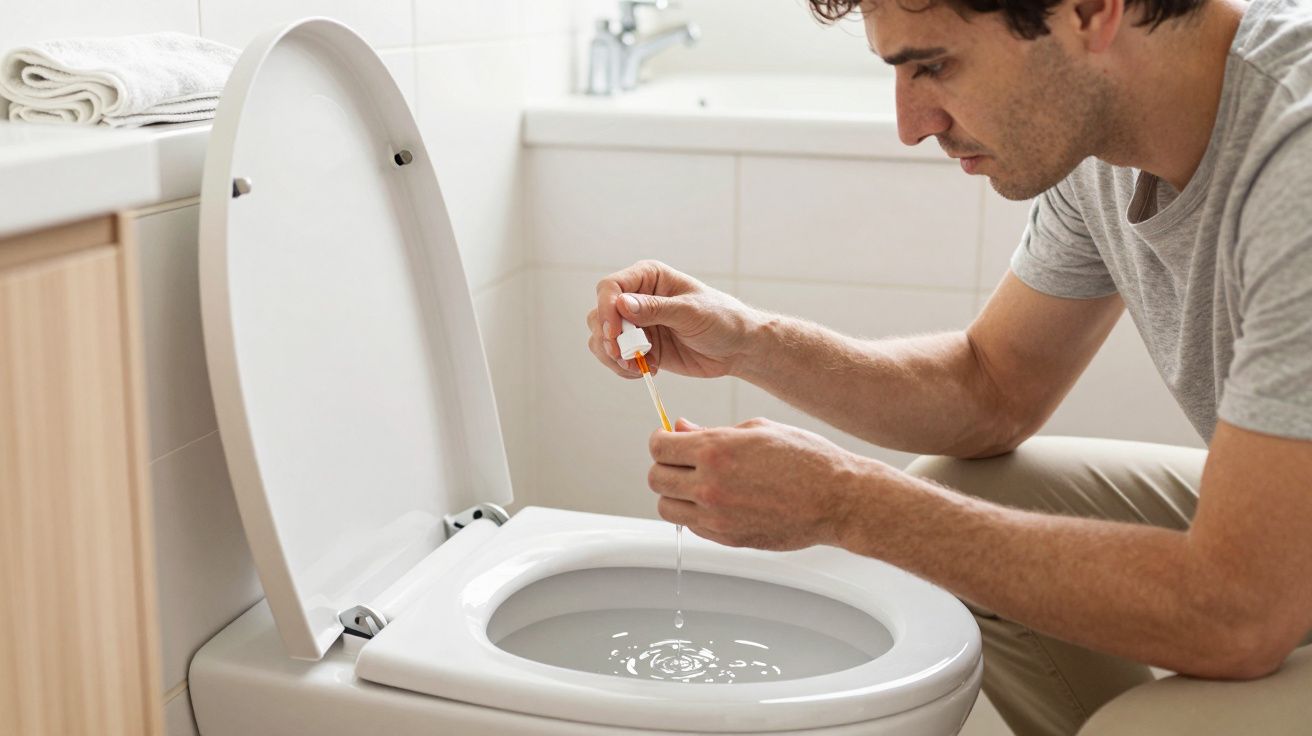
- Do the dye test: Put a few drops of food colouring into the cistern, don’t flush, and check the bowl after 10–15 minutes. If colour appears, the flush valve is leaking.
- Check outside: If you have an overflow pipe, look for intermittent dripping in dry weather.
If any of these show up, “it’s probably fine” is the wrong conclusion. It’s probably cheap to fix right now.
The fixes that usually work (and the ones that don’t)
The goal is simple: stop the tank from endlessly refilling, and make sure any excess water goes somewhere visible and safe.
What tends to work:
- Replacing the fill valve if it’s sticking or slow to shut.
- Replacing the flush valve seal/washer if dye appears in the bowl.
- Adjusting the float level so the shut-off happens comfortably below the overflow point.
- Cleaning scale where it matters (not just scrubbing the visible bits).
What often wastes time:
- Constantly tweaking the float without addressing a worn seal.
- Ignoring a “small” bowl trickle because it’s not flooding yet.
- Using aggressive descalers without checking whether the valve material is compatible.
If the cistern is concealed, it’s worth checking you can access the internals through the flush plate opening. If access is poor or you can’t identify the parts, this is one of those moments where calling a plumber is cheaper than guessing.
A small prevention routine that saves ceilings
Toilets fail in slow motion. Prevention is mostly about catching that motion early.
- Once a month, do a quick listen for hissing after the last flush of the day.
- In hard-water areas, consider an annual check/clean of the fill valve filter (if fitted).
- If you’re renovating, prioritise service access for concealed cisterns. Future you will be grateful.
- Don’t ignore “phantom flushing”. It’s the cistern telling you it can’t hold water.
A toilet doesn’t need to be perfect to work. But a cistern that can’t stop filling is a tiny machine that can quietly remodel your home.
FAQ:
- How do I know if it’s the fill valve or the flush seal? If the bowl has constant movement or the dye test shows colour in the pan, suspect the flush seal. If the bowl is still but you hear refilling/hissing and the cistern level creeps up, suspect the fill valve or float setting.
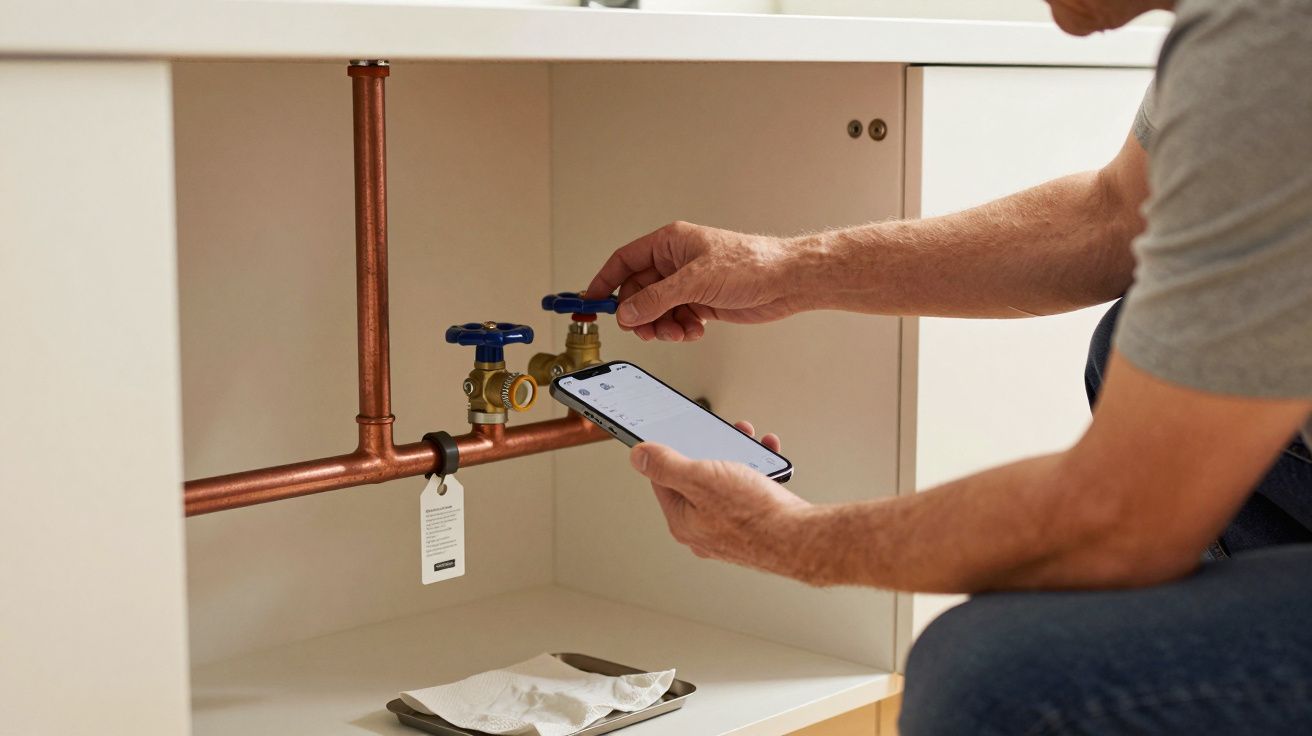
- Is an overflowing cistern an emergency? If water is escaping onto the floor, into a concealed void, or you see ceiling staining, treat it as urgent and isolate the water to the toilet if you can. If it’s only a trickle into the bowl, it’s less dramatic but still worth fixing quickly due to water waste and the risk of escalation.
- Why does it get worse after water works in the area? Sediment can enter the supply and lodge in the valve, stopping it sealing properly. A previously “fine” valve can start running immediately after the supply is disturbed.
- Can I fix it myself? Many people can replace a fill valve or flush seal if the cistern is accessible and you’re comfortable isolating water and following instructions. If it’s concealed, awkward, or you’re unsure what you’re seeing, a plumber can prevent an expensive trial-and-error approach.


Comments (0)
No comments yet. Be the first to comment!
Leave a Comment