In most rental properties, the plumbing fault that spirals into real damage isn’t a dramatic burst pipe - it’s hidden water leaks that have been quietly feeding rot for weeks. Tenants often report “a bit of damp” once it smells, stains, or starts to blister paint, and by then the water has already travelled. For landlords and renters alike, this matters because the cheapest repair is the one done before floors swell, ceilings drop, and mould becomes a second job.
You can feel the pattern when you walk into the hallway: a faint musty note, a skirting board that looks slightly tired, a patch of carpet that never quite dries. Nobody wants to be the person making a fuss. But water doesn’t care if you’re polite.
The leak tenants don’t clock until it’s loud
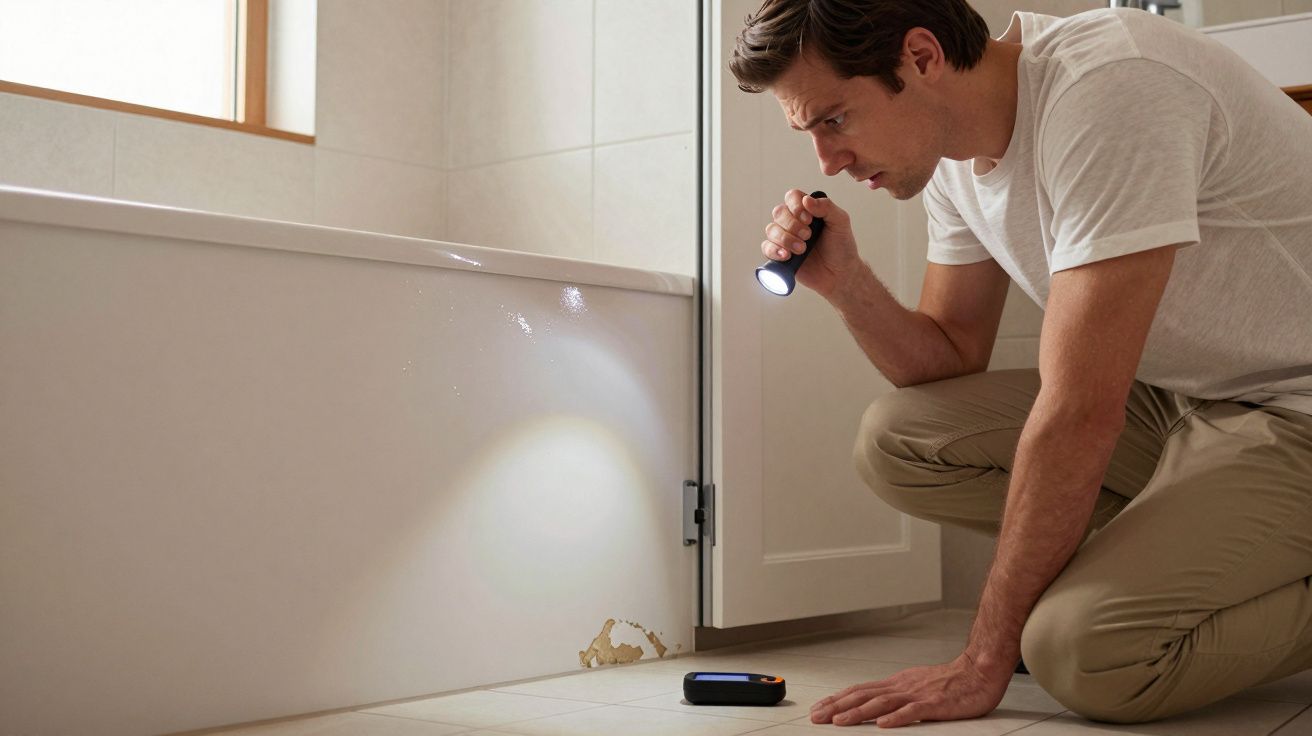
The classic late report is a slow weep under a bath, shower tray, or kitchen sink - not enough to puddle, just enough to soak. It hides behind a vanity unit or under vinyl flooring, quietly wicking into chipboard and plaster. The first “symptom” tenants notice is often cosmetic, not wet: peeling paint, a swollen door frame, a dark line at the edge of the room.
In flats, it gets messier because water doesn’t respect boundaries. A failed seal in one bathroom can show up as a stain on the neighbour’s ceiling. By the time someone says “It’s only a small mark,” an engineer is already thinking about how long the leak has been active, not how big the mark is today.
What experienced engineers check first (and why)
Good engineers don’t start by ripping panels off. They start by proving where the water is coming from, because the visible damage is often downstream from the actual fault.
Here’s the first-pass checklist most of us run, in roughly this order:
- Is it supply or waste? Clean-water leaks tend to be clear and continuous; waste leaks often smell, stain, and show up when fixtures are used.
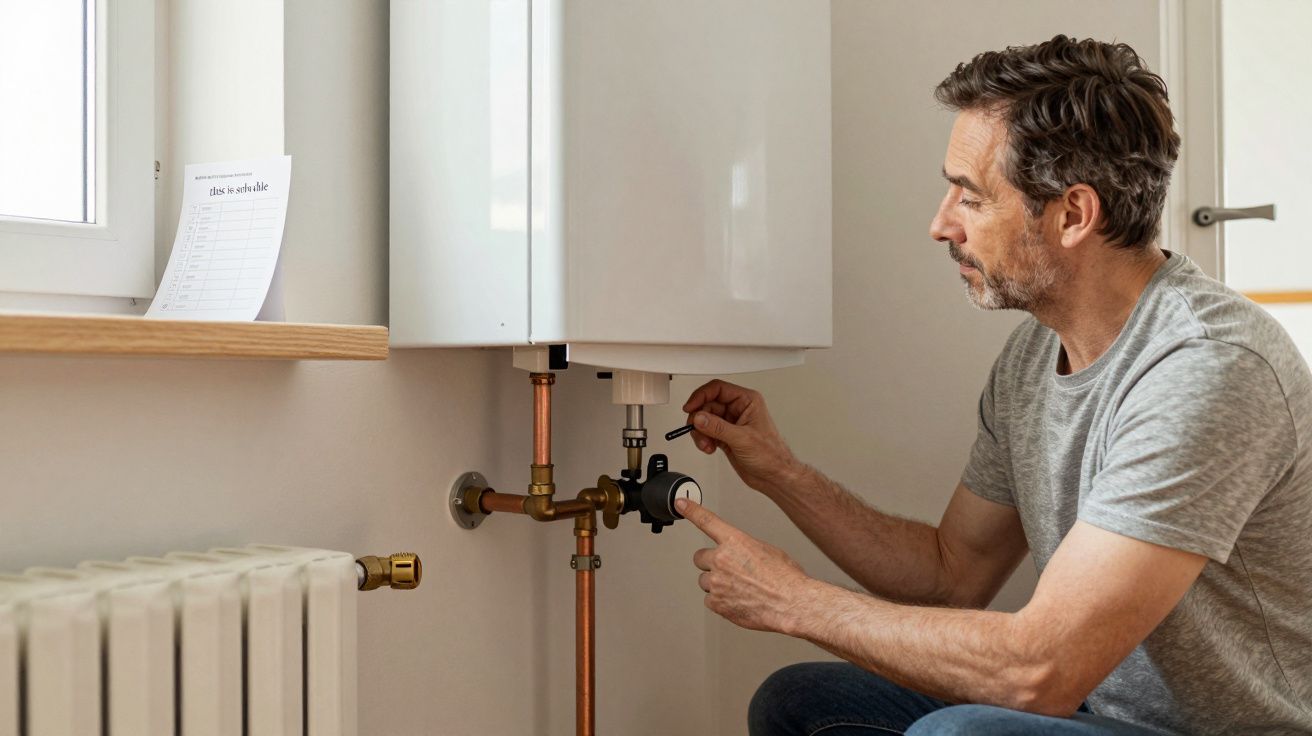
- What changed recently? New washing machine, recent reseal, tenant swapped a shower head, boiler pressure “keeps dropping” - these details cut the search time in half.
- Moisture mapping across the area: edges of the stain, skirting ends, corners near pipe runs, and around penetrations (toilet pan, basin pedestal, shower valve).
- Simple isolation tests: turn off the stop tap and watch the meter; then run the shower, flush, and drain the sink to see what triggers wetness.
- The boring bits: silicone lines, grout failures, tap tails, compression joints, and the trap under the sink that’s been nudged out of line by stored cleaning products.
If you’ve ever watched someone competent troubleshoot, it’s surprisingly calm. They’re not hunting for drama - they’re narrowing the possibilities until the leak has nowhere left to hide.
“The patch on the ceiling is a message, not the source,” one engineer told me. “Follow the pipework, not the panic.”
The three hotspots that cause most “mystery damp” in rentals
Some leaks are rare and weird. Most are painfully ordinary.
1) Bath and shower seals that look “fine” until they aren’t
A hairline gap in silicone can let water in every time someone showers, especially if the bath flexes. It doesn’t gush; it seeps, then spreads under the bath panel and into the wall plate. Tenants often report it when the downstairs neighbour complains, not when the seal first fails.
2) Kitchen sink waste and appliance connections
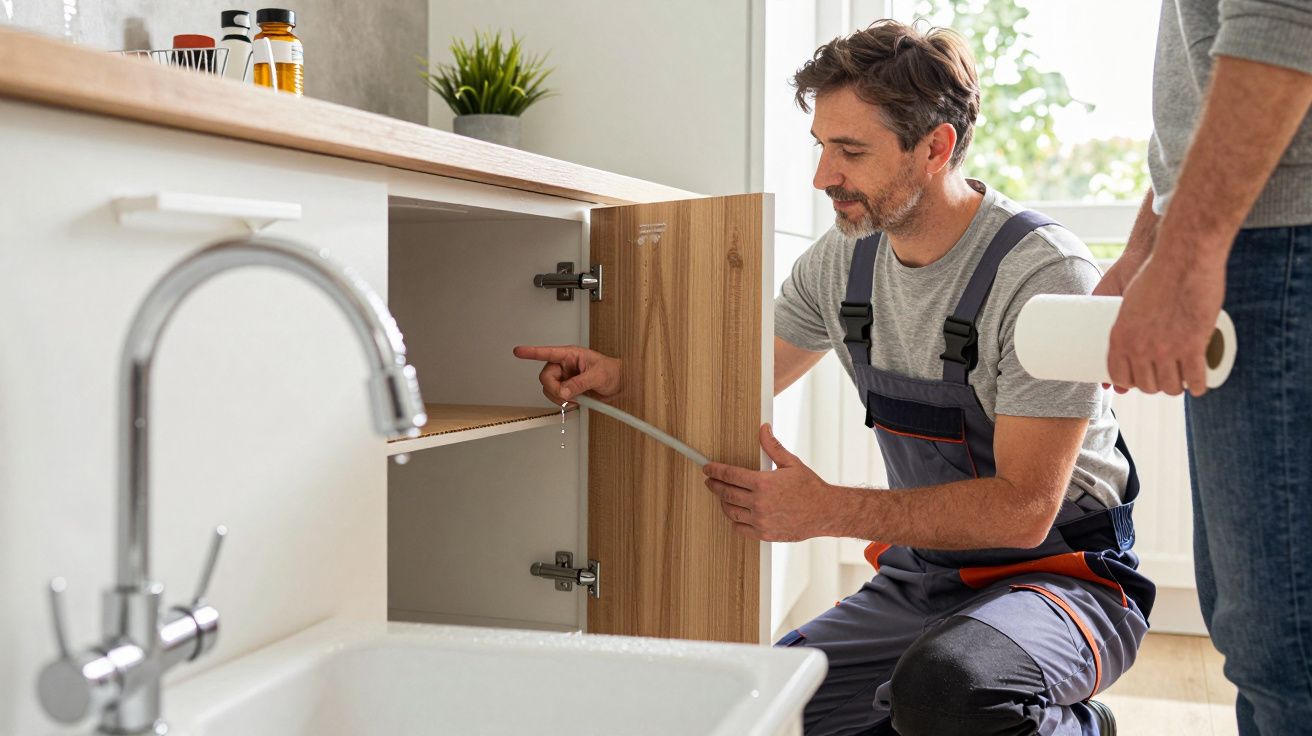
The trap and waste assembly can drip only when the bowl is full or when hot water expands plastic. Washing machine and dishwasher hoses also love to loosen just enough to mist the cupboard base. The cupboard hides it, the cleaning products mask it, and the chipboard base quietly turns to Weetabix.
3) Toilet pan movement and the “almost leak”
A toilet that rocks slightly can compromise the pan connector or the seal at the base. It may only leak on flush, sending water under flooring where it travels to the nearest low point. Tenants describe it as “the floor feels a bit soft,” which is usually a late-stage clue.
Quick checks tenants can do without making it worse
Nobody expects a tenant to diagnose plumbing. But a few safe checks can help you report it clearly - and get it fixed faster.
- Take a photo of the stain/warp and one wide shot showing the fixture nearby.
- Check the water meter (if accessible): don’t use water for 30 minutes; if the dial moves, note it.
- Look for patterns: does it worsen after showers, after the washing machine runs, or overnight?
- Sniff test: musty vs. waste smell is useful information, even if it’s unpleasant to say out loud.
- Don’t keep re-siliconing as a “quick fix” if water is already getting behind - it can trap moisture and delay the real repair.
If you’re worried about being blamed, stick to facts: what you saw, when it started, and what seems to trigger it. Clear reporting isn’t drama; it’s damage control.
What landlords and agents should do the day a leak is reported
Speed matters more than perfection at this stage. The goal is to stop the water, document the situation, and prevent secondary damage.
A practical same-day plan:
- Advise the tenant to minimise use of the suspect fixture (and isolate at stop tap if actively leaking and safe to do so).
- Send an engineer with leak-detection basics (moisture meter, access tools, spare traps/hoses/seals).
- Check adjoining rooms and units - especially below bathrooms and kitchens.
- Ventilate and dry early: dehumidifier, heat, airflow; don’t wait for plaster to “just dry out”.
- Record everything: photos, readings, and what was tested, so you’re not guessing later during reinstatement.
The quiet win is catching it before insurers, mould remediation, and tenant displacement enter the conversation.
| What you notice | What it often points to | What to do next |
|---|---|---|
| Paint bubbling or skirting swelling | Slow leak behind bath/shower or pipe run | Reduce use, book inspection, check seal lines |
| Cupboard base swollen under sink | Trap/waste drip or appliance hose weep | Photograph, avoid storing items there, test by running tap |
| Ceiling stain below bathroom | Waste leak triggered by use (shower/flush) | Note which fixture triggers it, check downstairs too |
The line that saves most properties: report earlier than you think
Tenants don’t report late because they’re careless. They report late because slow leaks are subtle, and everyone is busy. But in rental housing, small plumbing faults have a habit of becoming building problems.
If something changes - a new smell, a patch that grows, a floor that feels different - treat it like you’d treat smoke. You’re not waiting for flames; you’re stopping the conditions that let them start.
FAQ:
- What’s the most common hidden leak in rental homes? Leaks around baths and shower trays: failed silicone, cracked grout, or movement that lets water escape behind panels.
- Should a tenant turn off the stop tap? Only if there’s active leaking and they know where it is and how to operate it safely; otherwise reduce use of the suspected fixture and report immediately.
- Does a small ceiling stain always mean a major leak? Not always, but it often means the leak has been present long enough for water to travel and soak into plaster - it’s worth treating as urgent.
- Can mould appear even if the area doesn’t feel wet? Yes. Hidden moisture in voids and under flooring can keep humidity high and feed mould before surfaces feel damp.
- What information helps an engineer fix it faster? When it started, whether it worsens after specific use (shower/flush/washing machine), photos, and whether the water meter moves when nothing’s running.


Comments (0)
No comments yet. Be the first to comment!
Leave a Comment