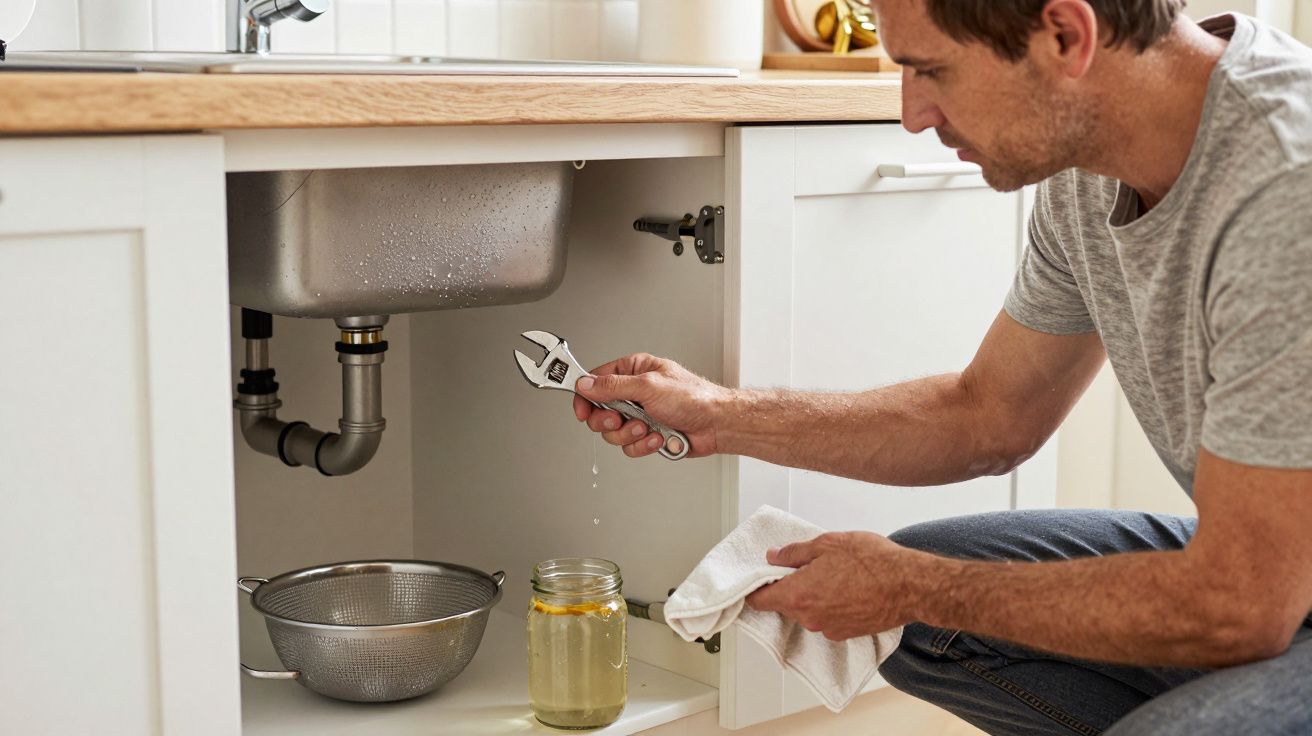
Domestic plumbing systems are built to be boring: water in, waste out, no drama. Yet every year, the same user errors turn kitchens into puddles and bathrooms into callouts, usually because a small habit quietly becomes “normal”. If you own a home, these mistakes matter because they compound-corroding fittings, stressing seals, and turning a £5 part into a weekend without hot water.
You can almost hear the calendar in the background. First cold snap, first hose left connected. First big family roast, first sink “handled” with a chemical you wouldn’t pour on your hands. The problems aren’t mysterious; they’re repetitive.
The annual loop: how small plumbing habits become expensive emergencies
Most homeowners don’t “break” a system in one heroic mistake. They repeat a minor shortcut until it hits the wrong moment: freezing weather, a blocked trap, a slightly loose compression nut.
The pattern is predictable: ignore a symptom, overcorrect with force or chemicals, then get surprised when a weak point finally gives up.
The slow leak you normalise
A tap that needs a firmer twist. A toilet that “sometimes” keeps running. A patch under the sink you blame on splashes. These are the leaks that train you to stop noticing, right up until the cabinet base swells and the floor starts to cup.
If you remember one thing, make it this: water damage is rarely sudden. It’s often a long conversation you keep interrupting.
The mistakes that come back every year (and why they keep working until they don’t)
1) Treating the drain like a bin
Cooking fat, coffee grounds, wet wipes, “flushable” anything, dental floss, the rice you didn’t fancy. It all travels until it hits a cooler section of pipe, a joint, or a bend, then starts building a private dam.
You don’t see it because the first stages still drain-just slower. By the time you’re plunging at midnight, the blockage has been rehearsing for months.
What to do instead - Let fats cool, then bin them (or collect in a jar). - Use a sink strainer and empty it daily. - Treat “flushable” as marketing, not engineering: only the 3 Ps go down the loo.
2) Fighting a blockage with stronger and stronger chemicals
Drain cleaners feel like control in a bottle. The problem is they often sit in the blockage rather than clearing it, and they’re brutal on older pipework, seals, and your own skin if you have to dismantle a trap afterwards.
Worse: once chemicals are in the line, any DIY snaking or professional work becomes a hazardous job. You’ve turned a nuisance into PPE.
A calmer escalation ladder 1. Boiling water (only for metal pipes; avoid for certain plastics if unsure). 2. Plunger with a proper seal. 3. Clean the trap (bucket, towels, patience). 4. Hand auger/snake. 5. Call a plumber before you add chemistry to the mix.
3) Overtightening fittings because “it’s still weeping”
Compression joints and plastic fittings don’t reward brute strength. When a joint weeps, the instinct is to crank it until it stops. That can crush an olive, split a plastic thread, or distort a washer so it leaks worse later.
A good rule: if you’ve tightened, tightened again, and it still weeps, the fix is usually reseating or replacing-not more torque.
4) Hanging things off pipes (and then wondering why they shift)
Under-sink pipework is not a coat rack. Neither is the flexible hose to your washing machine. Each time something pulls on it-cleaning bottles, bins, a well-meaning cable tie-you stress the joints and slowly change the alignment.
Most leaks under sinks start with movement. The pipe didn’t “fail”; it got nudged a thousand times.
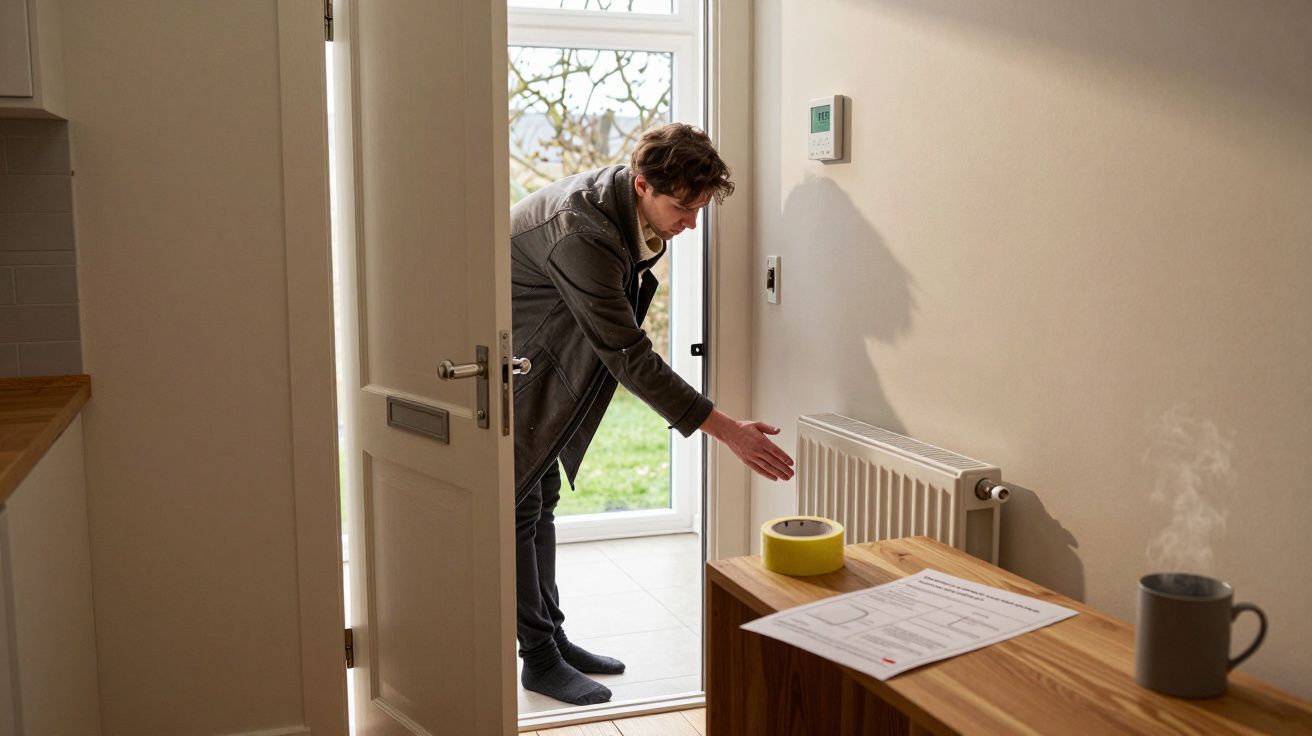
5) Leaving outdoor taps and hoses “as-is” through the first frosts
This one repeats like a tradition. A hose stays connected. An outside tap doesn’t get drained. The temperature drops, water expands, and a section of pipe cracks in a place you won’t notice until spring-when you turn it back on and feed the wall cavity.
If you have an outside tap, your winter checklist is not optional admin. It’s damage prevention.
6) Ignoring water pressure that’s too high (or too low)
Pressure problems get treated like personality: “This house just has strong water.” High pressure hammers valves, wears cartridges, and can shorten the life of appliances. Low pressure can signal a partially closed stopcock, scale build-up, or a developing blockage.
If your pipes bang, taps spit, or the shower varies wildly, you’re being given data. Write it down before it becomes an emergency.
7) Using the stopcock only when you’re panicking
Many people don’t know where it is, whether it turns, or which direction shuts it. Then a flexi-hose bursts and you’re learning in real time with water in your socks.
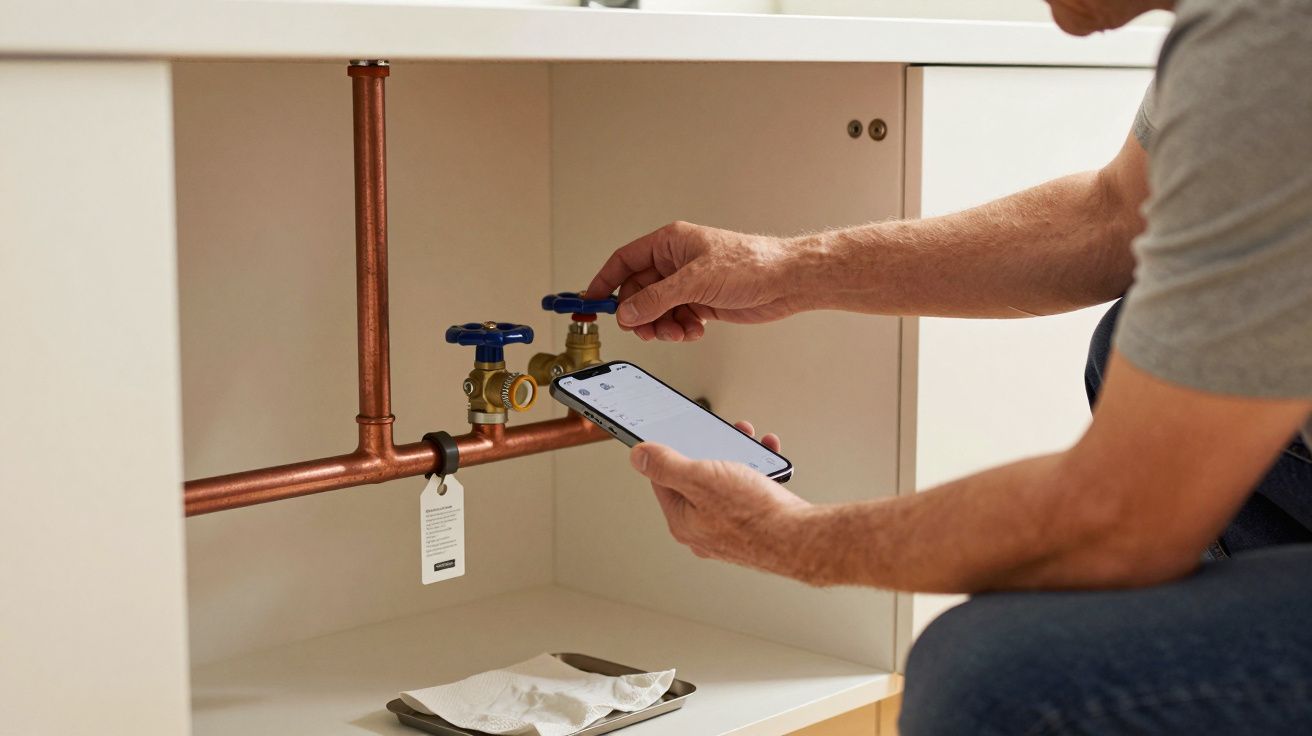
Find it on a calm day. Turn it off and on gently. If it’s seized or stiff, get it replaced-because the only worse time to discover that is during a leak.
A “boring” yearly check that saves you from dramatic callouts
Think of this like a handover: quick, repeatable, no heroics. Set a reminder at the same time each year.
- Under sinks: check for damp, corrosion, and movement; lightly dry and re-check after running water.
- Toilets: listen for continuous refill; add a few drops of food colouring to the cistern and see if it seeps into the bowl.
- Appliances: inspect washing machine/dishwasher hoses for bulges and cracks; ensure connections feel secure, not strained.
- Outside: disconnect hose, drain, and insulate if needed.
- Stopcock: locate, test, and label it if the cupboard is a maze.
What “good” looks like in a domestic plumbing system
A healthy setup is dull. No smells. No gurgling. No unexplained damp patches. No fixtures that need a special touch to behave.
And when something does go off-because houses age-you want the issue to stay small: a washer, a trap clean, a valve swap. That’s the difference between maintenance and panic.
| Repeat mistake | What it tends to cause | Better habit |
|---|---|---|
| Pouring fats/wipes down drains | Blockages, smells, slow draining | Strain, bin, clean traps |
| Overtightening joints | Cracked fittings, recurring leaks | Replace washer/olive, reseat properly |
| Leaving hoses on in winter | Split pipes, hidden leaks | Disconnect, drain, insulate |
FAQ:
- What’s the single biggest plumbing mistake people repeat? Treating drains and toilets as disposal units. It “works” until it doesn’t, then the blockage is rarely a quick fix.
- Are chemical drain cleaners ever a good idea? Sometimes, but they’re often overused and can make later repairs riskier. Try mechanical methods first and avoid mixing products.
- How do I know if my leak is serious? If it’s recurring, spreading, or causing staining/swelling, treat it as serious. Even a slow leak can cause expensive water damage over time.
- What should I do before going on holiday? Know where the stopcock is, consider turning off the water (especially if you’ve had issues), and don’t leave appliances running unattended.
- When should I call a plumber rather than DIY? If you can’t isolate the water, suspect a hidden leak, smell sewage, or you’ve tried basic steps and the issue keeps returning.

Comments (0)
No comments yet. Be the first to comment!
Leave a Comment