You don’t usually think about plumbing systems until they make themselves impossible to ignore: the shower that dribbles, the loo that needs a second flush, the garden tap you’ve left running “just for a minute”. But the 2026 water usage change is going to push those little moments into the foreground, because it shifts what “normal” water use looks like at home. It’s less about panic-buying gadgets and more about asking one blunt question: can your house get the job done with less water?
The awkward bit is that this won’t land evenly. Two identical-looking homes on the same street can have wildly different pipe layouts, pressures, and hidden habits. And the decisions you make now-repairs, renovations, replacements-will age differently once water expectations tighten.
The question you’ll hear more often: “How efficient is your house at using water?”
In the past, the question was usually, “Is it leaking?” or “Will it cope with another bathroom?” Efficient water use was a nice-to-have, the kind of thing you considered if you were already changing a suite. With the 2026 water usage change, efficiency becomes a practical constraint, like insulation ratings or boiler servicing.
Because a home can waste water in two ways at once. It can leak quietly, and it can also use more water than it needs to deliver the same comfort. A powerful shower that empties the hot water cylinder faster than you can enjoy it isn’t just indulgent; it’s a design choice with consequences.
What “efficiency” actually means in plumbing terms
It’s not a single magic fitting. It’s the whole chain from the mains to your tap, and what happens in between.
- Flow rate (how many litres per minute your taps and showerheads deliver)
- Flush volume (how much each toilet flush uses, and whether it often needs two)
- Pressure management (high pressure can feel great, but it can also drive higher consumption and worsen leaks)
- Hot water delivery (long waits for hot water are effectively “water thrown away” down the drain)
- Leak risk (old valves, worn washers, hidden weeps under baths and behind kitchen units)
None of this is glamorous. It’s also exactly the stuff that starts to matter when expectations change and bills don’t politely stay in the background.
Why this will feel different from the last round of “eco tips”
Most water-saving advice has lived in the land of personal virtue: shorter showers, turn the tap off while brushing, only run full loads. Useful, yes. But it tends to bounce off real life, because mornings are rushed and people are tired.
What’s coming nudges you towards structural answers. Not just behaviour, but changes to the plumbing systems themselves-so you don’t have to be a saint to use less water. If you’ve ever tried to “be good” with a shower that takes ages to warm up, you already know why this matters: the house design sets you up to fail.
The hidden weak points homeowners will start noticing
The first sign is rarely dramatic. It’s the slow creep of annoyance: the shower that can’t decide whether it’s scalding or cold, the toilet that “sometimes” runs, the outside tap that never quite shuts off.
Here are the common culprits that turn into big conversations later:
1) Toilets that don’t match real life
Older toilets can use a lot per flush, but the bigger issue is performance. If the flush isn’t decisive, people double-flush without thinking. The house looks fine; the water use quietly isn’t.
A modern dual-flush setup only helps if it clears properly. A weak flush that forces a repeat is just a more complicated way to waste water.
2) High-pressure showers that burn through supply
Some homes have pressure so high a “quick rinse” becomes a mini power-wash. It feels luxurious, but it can be a major driver of consumption. The fix isn’t always swapping the showerhead; sometimes it’s a pressure-reducing valve or a sensible conversation about what the system is designed to do.
3) Hot water that takes too long to arrive
Waiting for hot water can waste litres every day. It’s especially common in houses where the kitchen tap is miles from the boiler, or where pipework has been extended and patched over the years.
Possible fixes range from simple pipe insulation to more involved options like secondary circulation (in larger homes) or point-of-use heaters-each with trade-offs in cost and energy.
4) “It’s not leaking, it’s just… damp”
The most expensive leaks are the ones you don’t see. A slow weep under a bath, a tired compression joint, a pinhole leak in an older copper run-small enough to ignore, big enough to rot floors, trigger mould, and add constant, pointless usage.
If you only ever look for leaks when there’s a stain on the ceiling, you’re finding them late.
Practical choices that age well (without turning your bathroom into a science project)
The goal isn’t to rip everything out. It’s to stop making choices that lock in high water use for the next decade.
A few upgrades tend to give good “future value” because they improve performance as well as consumption:
- Fit quality flow regulators on taps and showers (cheap ones can feel stingy; good ones keep comfort)
- Choose toilets for clear, reliable flush performance, not just the headline litre number
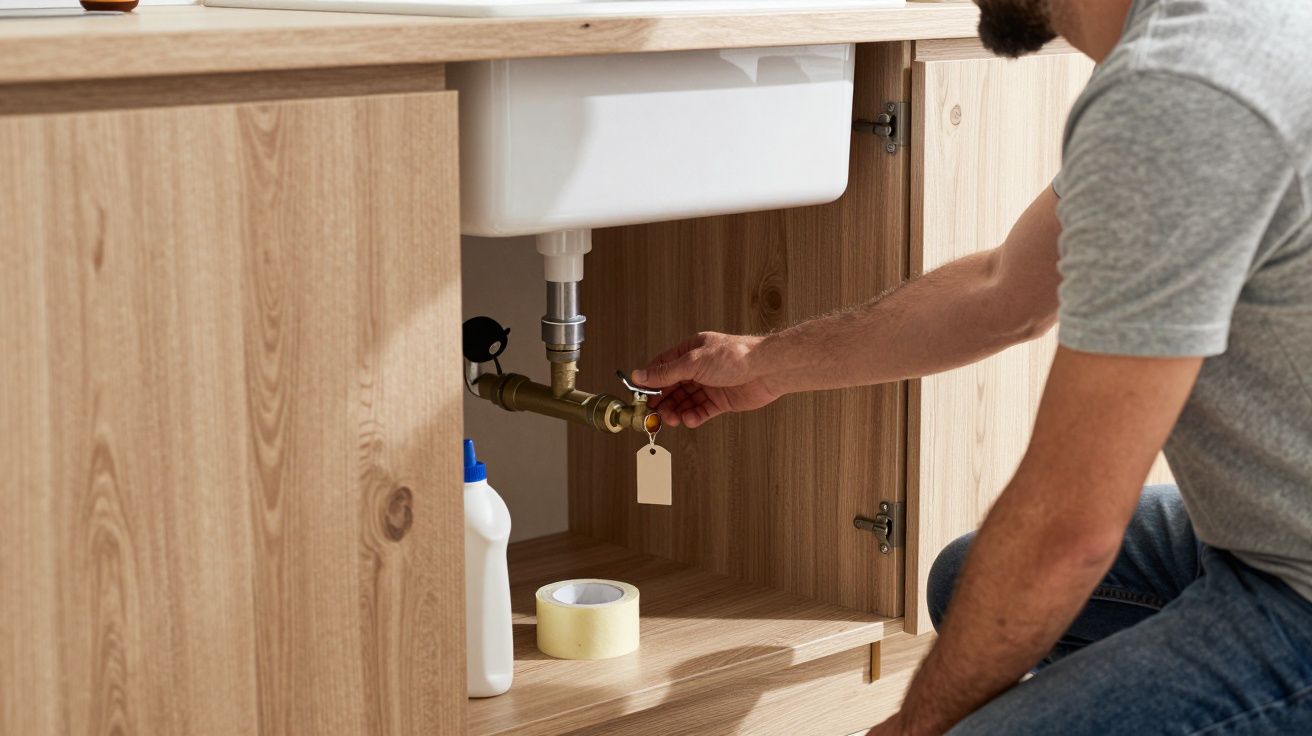
- Add isolation valves if you don’t already have them (it makes future repairs faster and prevents emergency shut-offs)
- Check incoming pressure and manage it if it’s excessive
- Sort the obvious drips and running cisterns immediately-they’re the lowest-effort wins and the most annoying to live with
None of these require you to become a plumber. They just require you to treat water use like something your home should be designed to handle, not something you personally have to fight all day.
The uncomfortable part: not every home can “just” do the same fixes
This is where homeowners can get caught out. Advice online often assumes a standard setup. In reality, UK housing stock is a mash-up: Victorian terraces with creative extensions, post-war semis with ancient pipe runs, new builds with excellent fittings but questionable workmanship.
What you can do depends on:
- whether you’re on a combi boiler, cylinder, or immersion
- the condition and layout of existing pipework
- your incoming mains pressure and stopcock setup
- whether bathrooms and kitchens share sensible runs or sit at opposite ends of the property
In other words: two neighbours can both “upgrade the shower” and get totally different results.
A simple way to start: a 20-minute home water reality check
If you want a starting point that doesn’t involve spreadsheets, do this:
- Find your stopcock and make sure it actually turns.
- Check the meter (if you have one): turn everything off and see if it still moves. Movement means a leak somewhere.
- Time how long hot water takes to reach the kitchen tap and the main shower.
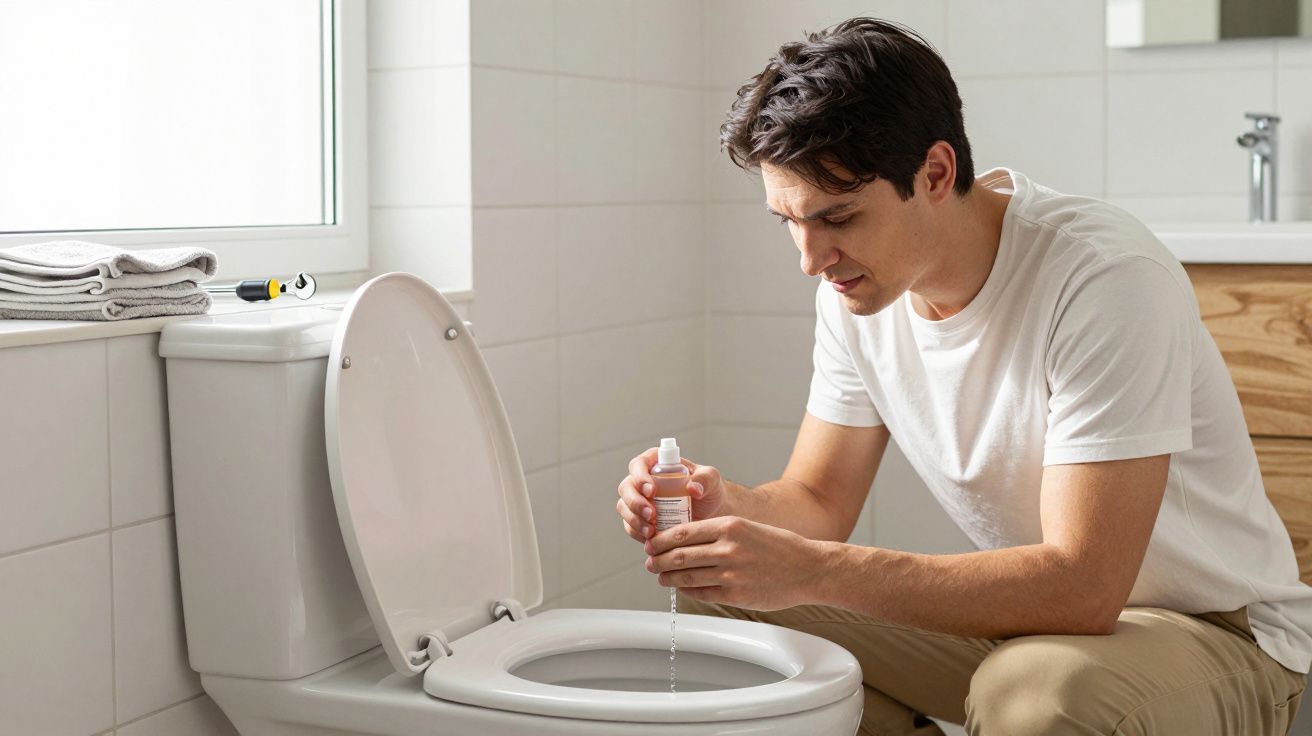
- Do a toilet test: add a few drops of food colouring into the cistern and wait 15 minutes without flushing. Colour in the bowl means a leak.
- Notice your habits that are really design problems: the tap that needs running to get hot, the shower that’s only pleasant at full blast, the loo that needs a second flush.
You’re not trying to diagnose everything. You’re trying to work out whether your plumbing systems are quietly forcing you to waste water.
The real shift: you’ll plan plumbing like you plan energy
For years, homeowners have learned to ask energy questions: EPCs, insulation, boiler age, radiator sizing. Water is heading the same way. The 2026 water usage change won’t make everyone into a conservation expert, but it will make “How does this house use water?” a normal, slightly unavoidable part of home ownership.
And that’s the point. You don’t need plumbing that’s trendy. You need plumbing that works-cleanly, reliably, and with less waste baked in-so you’re not stuck trying to fix a structural problem with willpower every morning.




Comments (0)
No comments yet. Be the first to comment!
Leave a Comment