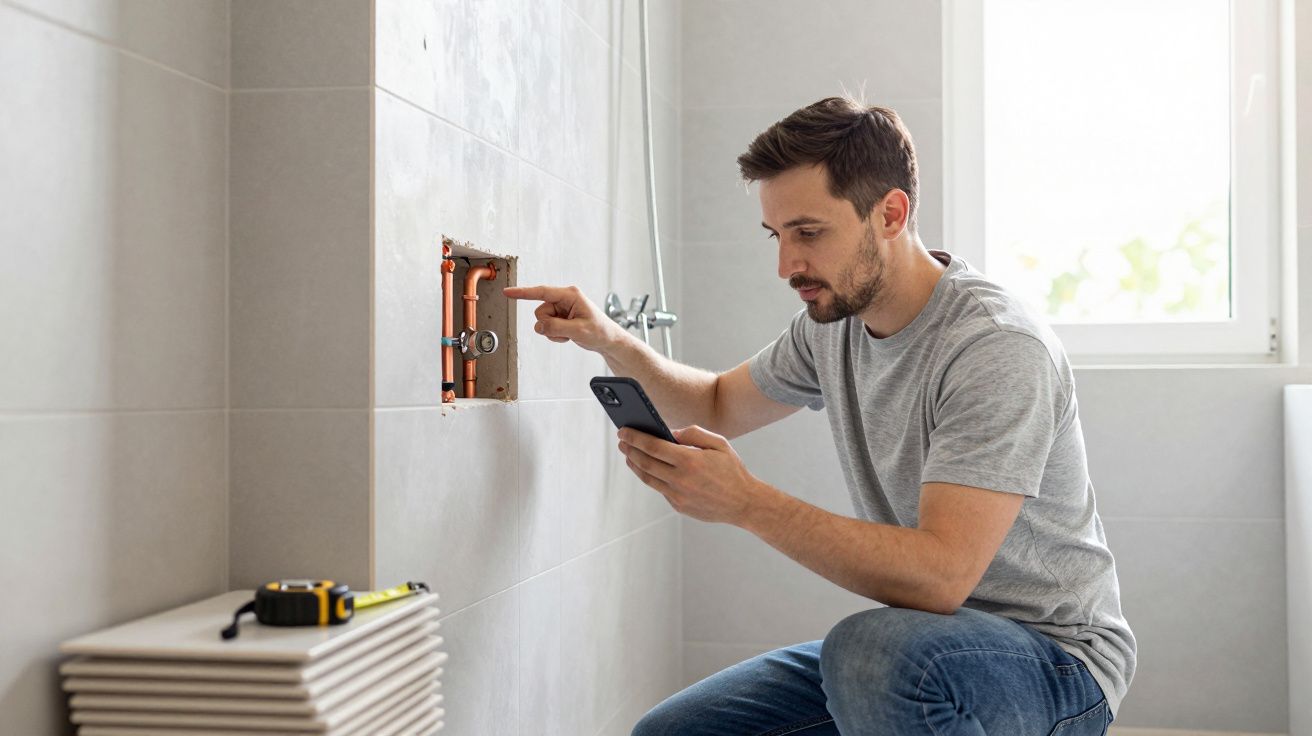
The regret rarely starts with a bang. It starts with a bathroom plumbing installation that seemed sensible at the time - a sleek concealed shower, a wall-hung loo, a “tidier” look - and then the long-term issues arrive like damp: quietly, then everywhere.
Most people don’t notice the decision they’re making until they’re trying to reverse it. The tiles are up, the stud wall is closed, the job is signed off, and the bathroom looks like a brochure. Then a tiny hiss begins behind the wall, or the shower loses pressure, or the flush goes temperamental, and the fix suddenly involves dust, disruption and money you didn’t budget for.
The upgrade people regret most: hiding everything in the wall
Ask enough plumbers what job makes homeowners wince later and you’ll hear a version of the same answer: “concealed” or “built-in” everything. Concealed shower valves. Wall-hung frames and cisterns. Pipework buried behind tiles because it looks clean.
It isn’t that these upgrades are “bad”. Done well, they can be brilliant. The regret is that many were installed as a style choice without treating access as a design requirement, and the failure mode isn’t dramatic enough to justify ripping things open until it’s too late.
The bathroom is not a quiet room. It’s heat, steam, movement, vibration, limescale, cleaning chemicals, and daily use packed into a tiny box. When you hide the parts that need maintenance inside a sealed box, you turn routine servicing into a demolition project.
Why it turns into a nightmare later (and why it’s so common)
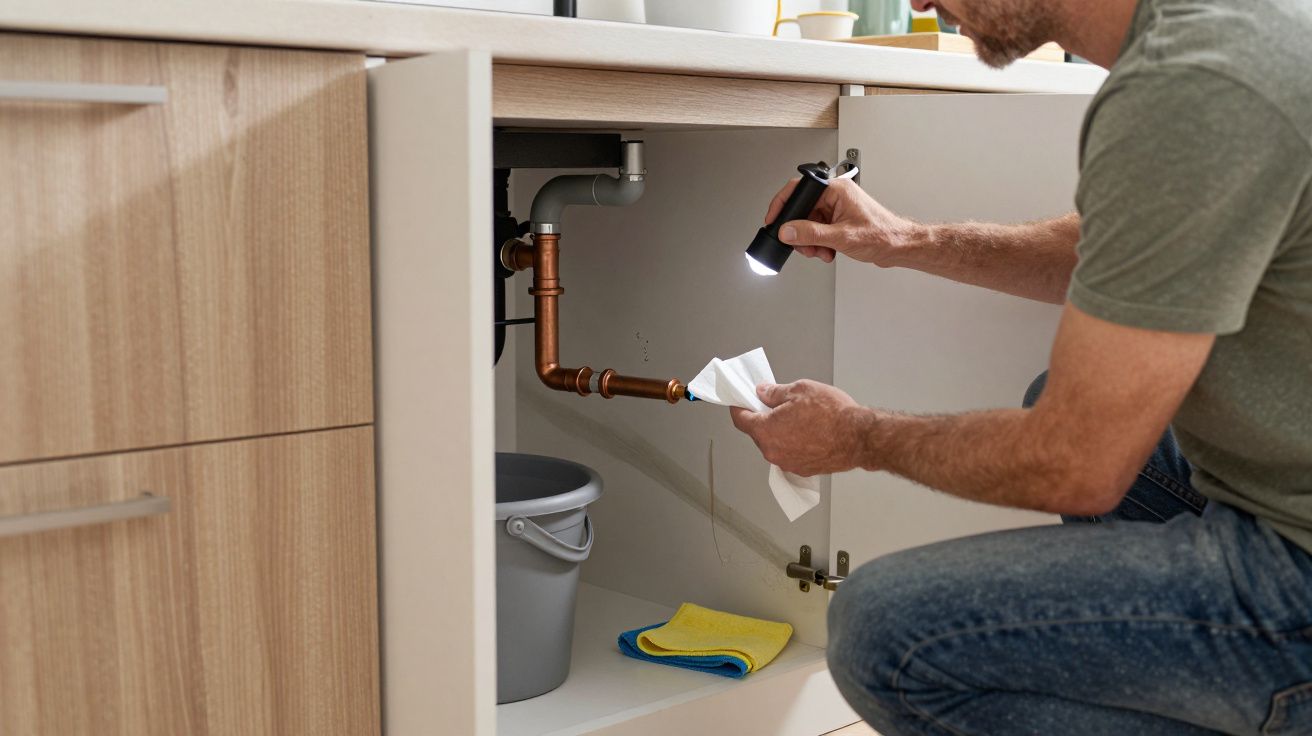
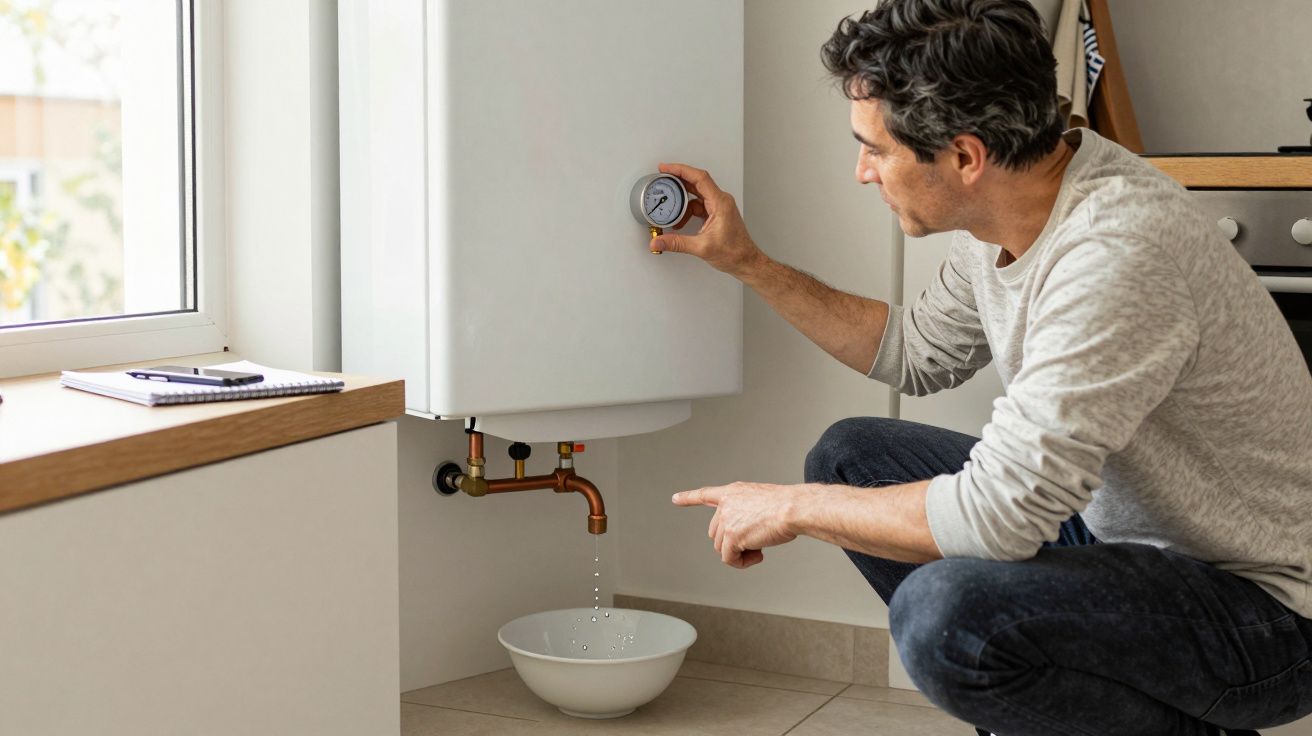
The cruel detail is that concealed systems fail in boring ways. A washer hardens. A cartridge sticks. A compression joint weeps. A plastic fitting develops a hairline crack that only shows itself when the pressure spikes.
When the pipework is visible, “boring” is good: you spot it, you isolate it, you replace it, you move on. When it’s behind tiled backer board, boring becomes expensive because you can’t see it, can’t reach it, and can’t prove where it is without opening the wall.
There’s also the time factor. Many bathrooms work perfectly for the first year or two, which is long enough for you to forget the anxiety of the renovation. Then the long-term issues start - and by then, the tradesperson who did the job may have moved on, the exact parts may be discontinued, and the “simple” fix becomes a sourcing mission.
A plumber once put it to me like this:
“People pay to make it look simple. Then they pay again when it turns out simple doesn’t mean accessible.”
The hidden costs: tiles, time, and the part nobody can match
The bill isn’t usually the valve. It’s everything around the valve.
To reach a concealed shower mixer that’s been tiled over with no access hatch, someone has to remove tiles without cracking the neighbouring ones, cut into the wall, repair the substrate, replace the waterproofing, re-tile, re-grout, and then hope the new tiles blend with the old. If the tiles are out of production, you’re not “repairing”. You’re redesigning.
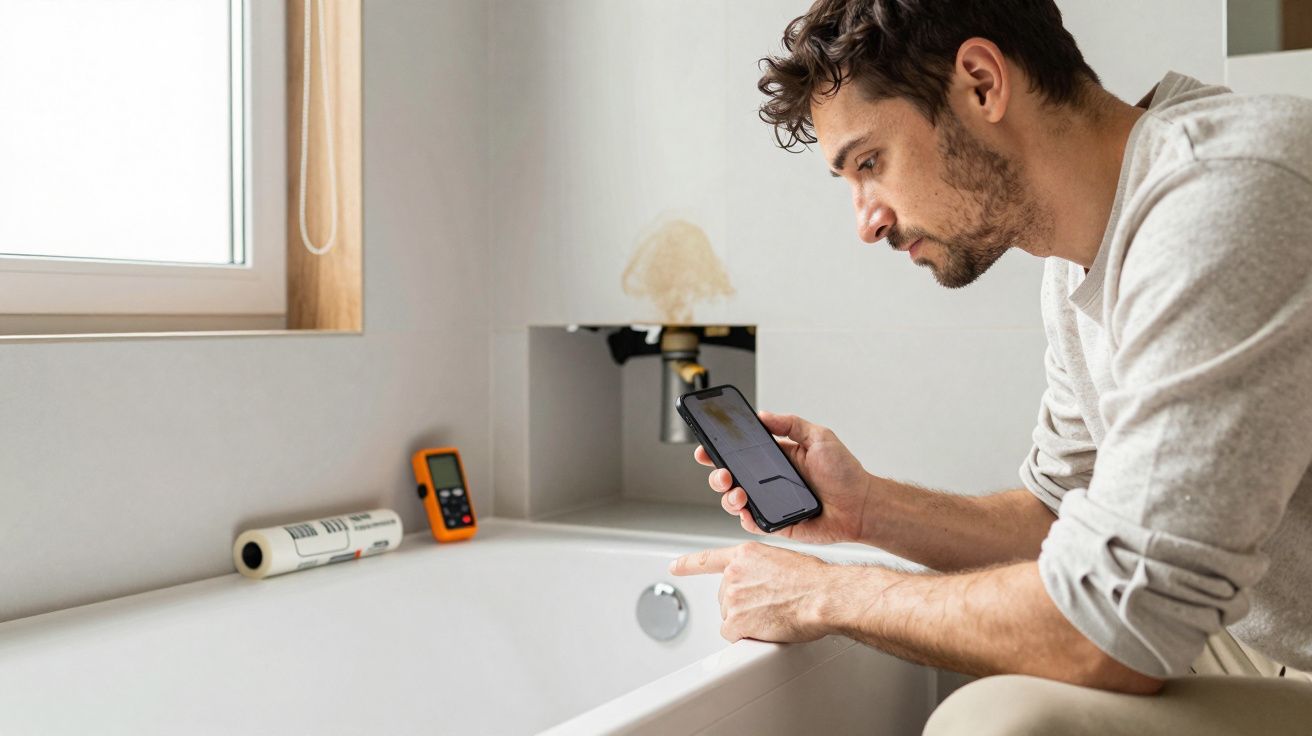
And bathrooms are interconnected. A leak that starts behind a shower valve can travel to the floor, swell timber, creep into a ceiling below, and invite mould into voids you can’t ventilate. The fix then isn’t a plumbing job; it’s a plumbing job plus joinery, plastering, decorating and sometimes an insurance fight about gradual damage.
This is why a decision that saved visual clutter can later cost you weeks of inconvenience. Not because the technology is fragile, but because the installation locked normal maintenance behind finished surfaces.
What a good installation does differently (even when it’s concealed)
There’s a version of “hidden” that’s responsible. It just looks less glamorous on day one, because it insists on being serviceable on day five hundred.
Here’s what tends to separate an upgrade you enjoy from one you regret:
- Proper access panels in sensible places (not just “you can reach it if you remove the toilet and dislocate a shoulder”).
- Isolation valves you can actually reach, so a minor issue doesn’t mean turning off the whole house.
- Known, branded components with readily available cartridges and spares, not mystery parts chosen because they were on offer.
- Clear routes and photos: a few labelled pictures of where pipe runs and fittings sit before the wall is closed.
- Waterproofing that assumes failure is possible, because it is - and designs the cavity so water can’t silently spread.
If you’re paying for a premium look, pay for premium planning. The “hidden” part should be the pipework, not the information.
The moment to decide is before the wall closes
The trap is thinking this is a detail you can tidy up later. You can’t, not easily. Once the wall is sealed and tiled, the future is set: either small maintenance stays small, or it becomes a project.
If you’re mid-renovation, take ten minutes and ask your installer questions that feel almost awkwardly basic:
- If the shower cartridge fails, how do we access it?
- If a joint starts weeping, where will the water go first?
- Where are the isolation valves, and can I reach them without tools?
- What are the exact product codes for the concealed parts?
- If this model is discontinued, what’s the replacement plan?
Let’s be honest: nobody really wants to think about failure when they’re choosing tiles. But the people who regret their upgrade later are the ones who treated the bathroom like a picture, not a working system.
Quick reality checks before you commit
A concealed setup isn’t automatically a mistake. It becomes one when “clean lines” outrank future access.
A few litmus tests help:
- If the plan involves tiling over a valve body with no hatch, pause.
- If you can’t name the brand and model of the concealed unit, pause harder.
- If your installer says, “It’ll be fine,” but can’t explain how you’ll service it, pause and get it in writing.
- If you live in a hard-water area and you’re going concealed, assume cartridges and thermostatic parts will need servicing.
The goal isn’t paranoia. It’s permission. You’re allowed to ask for a bathroom that can be fixed without being destroyed.
| Decision point | What to do instead | Why it matters later |
|---|---|---|
| Concealed valve behind tile | Fit an access panel or service cavity | Turns a smash-and-replace into a normal repair |
| Unknown branded parts | Choose widely stocked brands | Spares still exist in five years |
| No isolation valves | Add accessible isolators | Minor faults don’t shut down the whole house |
FAQ:
- Are concealed shower valves a bad idea in general? No. They’re fine when installed with proper access and with parts you can source easily. The problem is burying them permanently behind tiles.
- What’s the biggest long-term risk with wall-hung toilets and concealed cisterns? Access. They can be reliable, but if the flush valve or fill valve needs attention, you need a sensible service route that doesn’t involve removing finishes.
- Can a plumber fix a leak behind tiles without removing them? Sometimes, if there’s an access panel or the fault is reachable from the rear. If everything is sealed in, tile removal is often the only realistic route.
- What should I photograph during installation? Pipe runs, valve locations, junctions, isolation valves, and any concealed frames/cistern positions, with a tape measure in shot for scale.
- If my bathroom is already done, what can I do now? Find and label isolation valves, keep product details and manuals together, and consider adding an access panel from an adjacent cupboard or stud wall if a route exists.


Comments (0)
No comments yet. Be the first to comment!
Leave a Comment