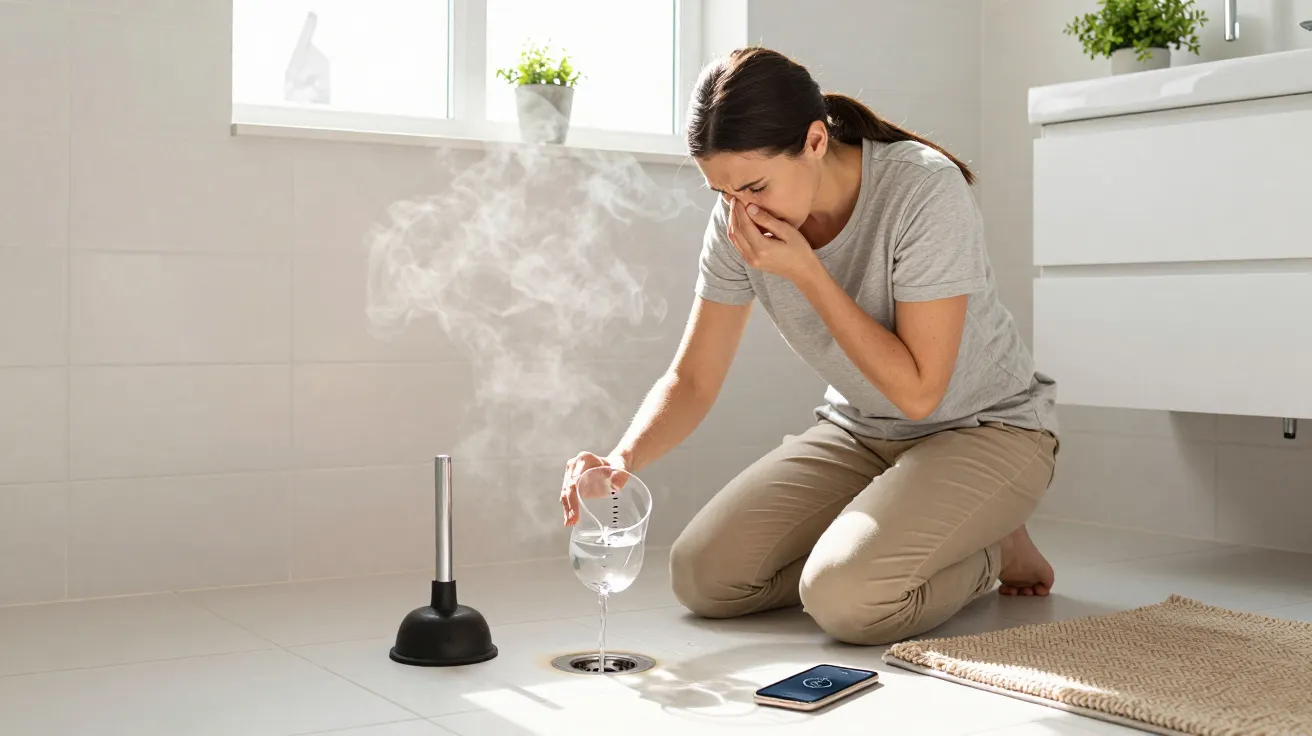
Unpleasant drain odours are easy to shrug off as “one of those house things”, until they start clinging to the hallway or rising from the shower after you’ve cleaned. Drainage systems are meant to move waste water and sewer gases safely away from your home, so a persistent smell is often the first sign that something has stopped working as designed. In many cases it’s minor, but one particular type of odour is worth treating as a warning, not an annoyance.
You’ll usually notice it when the house is quiet: early morning, after rain, or when heating has been on and windows have been closed. The smell seems to come from nowhere, then suddenly you can locate it-near a floor drain, the kitchen sink, or the downstairs loo. It has a character, too. And that character matters.
The smell that should make you pause: “sewer gas” (not just “stale drain”)
Most drain smells are musty, greasy, or a bit sour. Sewer gas is different. It’s sharper and more sulphurous-people describe it as rotten eggs, or a chemical tang that catches at the back of the throat.
That smell often points to one of three problems in a typical home:
- A trap (the U-bend) has lost its water seal, letting gases travel back indoors.
- A venting issue is pulling water out of traps (siphoning) or stopping the system breathing properly.
- A break, blockage, or poor connection is letting foul air leak from pipework where it shouldn’t.
It matters because sewer gas isn’t just unpleasant. It can contain methane (flammable), hydrogen sulphide (irritant), and a mix of other compounds that are a bad long-term houseguest. If the smell is strong, new, or worsening, treat it like a fault in the system, not a housekeeping issue.
Why it happens: the small “water plug” that keeps your home sealed
A surprising amount of home plumbing relies on something simple: a pocket of water sitting in a curved pipe. That water forms a seal between your rooms and the underground drainage.
When that seal disappears, odour has a clear path in. Common ways it happens:
1) A little-used drain dries out
Guest bathrooms, utility sinks, floor drains, and even showers that aren’t used often can evaporate dry, especially in warm rooms.
2) Siphoning after a big flush or fast emptying sink
If the system can’t pull air in correctly (vent issue), it may pull it through the nearest trap instead-dragging the trap water with it. You might hear a gurgle after flushing, then smell something later.
3) Pressure changes after heavy rain or blockages
A partial blockage can push gases towards the easiest exit point. After rainfall, drains may run fuller and pressure can shift, making an existing weakness suddenly obvious.
If the smell arrives along with gurgling noises, slow draining, or a toilet that “pulls” oddly, the odour is a symptom-not the main event.
A quick home check: what you can do in 10 minutes
You don’t need to dismantle anything to gather useful clues. The goal is to work out whether this is a dried trap, a local build-up, or a bigger drainage behaviour change.
Start here
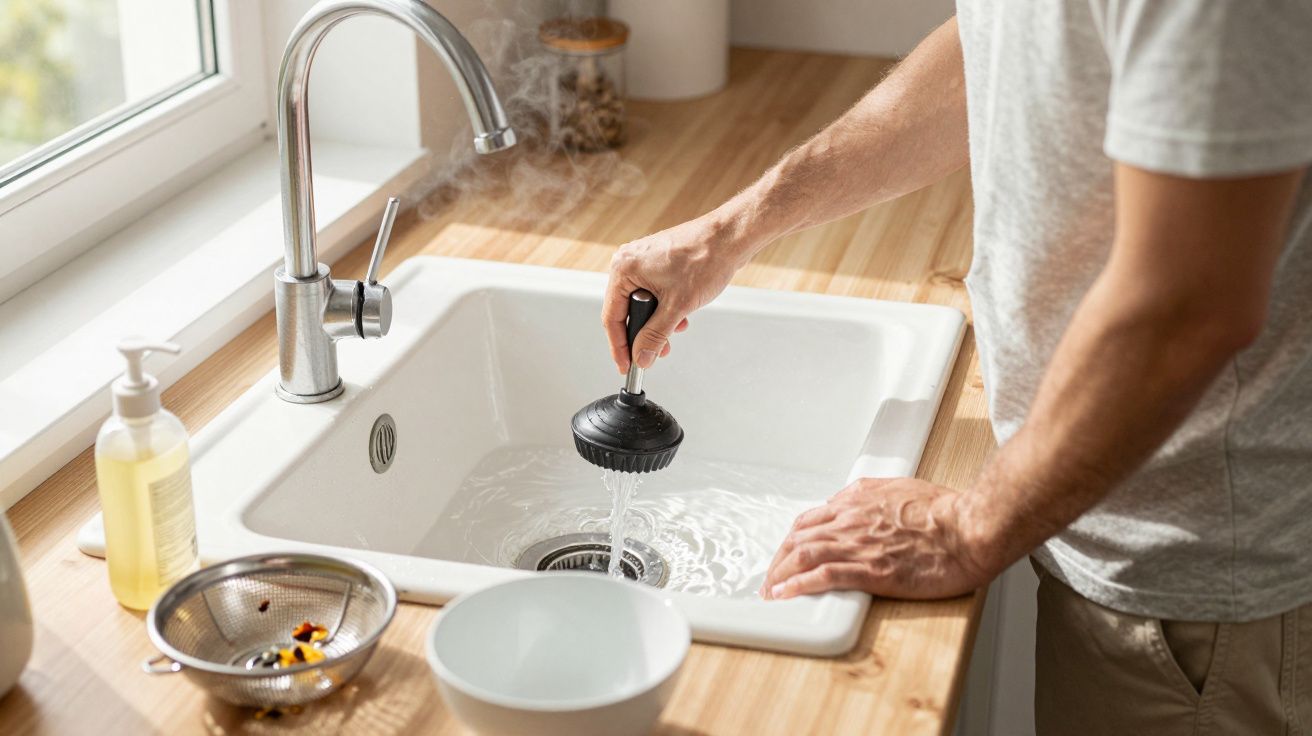
- Run cold water for 20–30 seconds into the suspect sink/shower/floor drain to refill the trap.
- Flush the toilet once and listen: any gurgling from nearby fixtures?
- Check whether the smell reduces within an hour. If it does, a dry trap is likely.
Then rule out the “easy grime” smells
Kitchen sinks, in particular, can smell from grease and food residues in the waste, overflow, or dishwasher hose. That smell tends to be more “gone-off” than sulphurous.
- Clean the plughole, overflow, and any removable trap parts you can access.
- Rinse with hot (not boiling) water and a small amount of washing-up liquid.
- Avoid mixing drain chemicals; if you’ve used one product already, don’t add another.
If the smell persists after refilling traps and basic cleaning-or comes back quickly-it’s time to think beyond surface build-up.
The red-flag pattern: when odour points to a serious issue
A serious drainage issue often announces itself with a pattern, not a single whiff.
Look out for these combinations:
- Smell in more than one room (for example, kitchen and bathroom on the same day)
- Odour after rain or when the ground is saturated
- Recurring gurgling from plugholes after flushing
- Slow draining across several fixtures
- Smell strongest near floor level or near a boxed-in pipe run
- A “new smell” in an older home where nothing else has changed
These clues can indicate a blockage in the main line, failed venting, or a leak in pipework-issues that can escalate into waste backflow, damp, or structural problems if ignored.
What not to do (because it can hide the real fault)
When drains smell, it’s tempting to throw strong products at it and hope. The problem is that masking can buy you silence while damage continues.
Avoid:
- Repeated chemical drain openers as a routine fix (they can damage older pipework and don’t address venting or broken seals).
- Sealing vents or covering drains as a long-term measure (it can worsen pressure problems).
- Ignoring it because “it comes and goes”-pressure-related faults often behave exactly like that.
If the smell is clearly sewer-like and returns within a day or two, treat that as the system telling you something consistent.
When to call a professional, and what to ask for
If you’ve refilled traps, cleaned accessible areas, and the odour still behaves like sewer gas, a professional inspection is sensible. The right person may be a reputable drainage engineer or plumber with experience in testing and tracing.
Useful things to ask about:
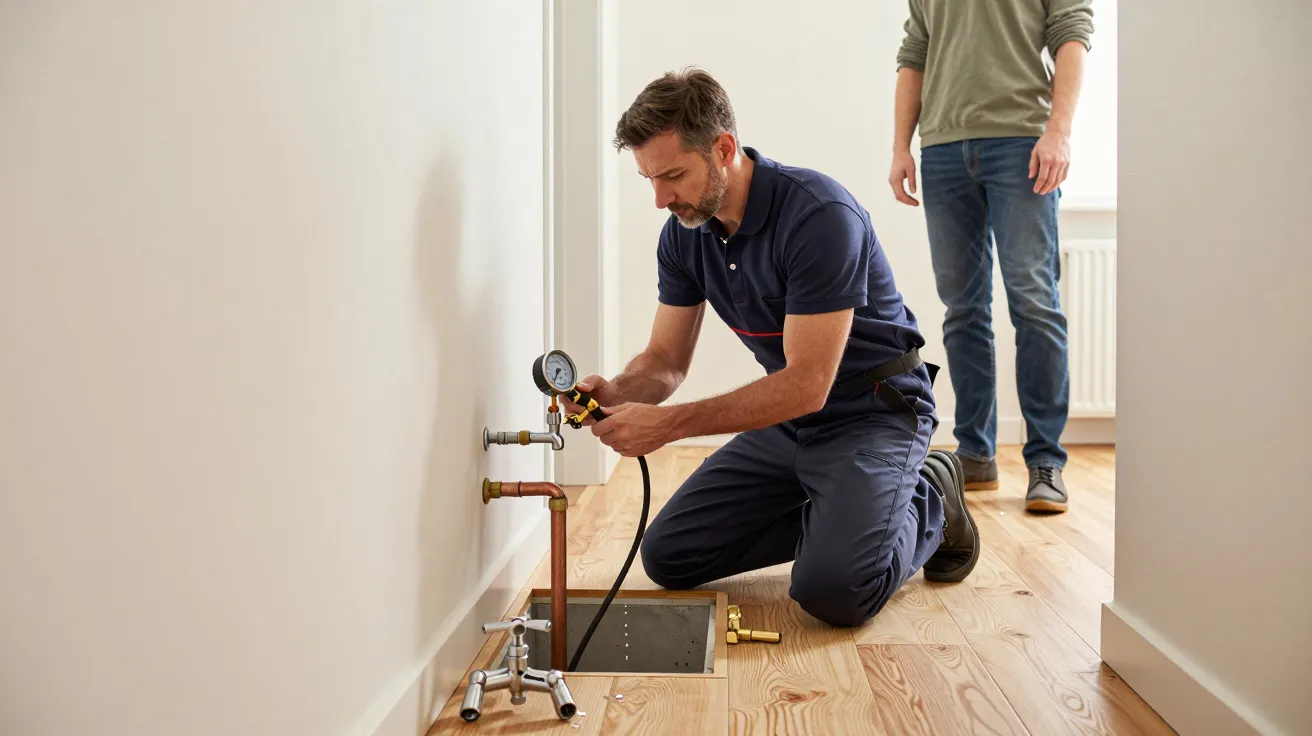
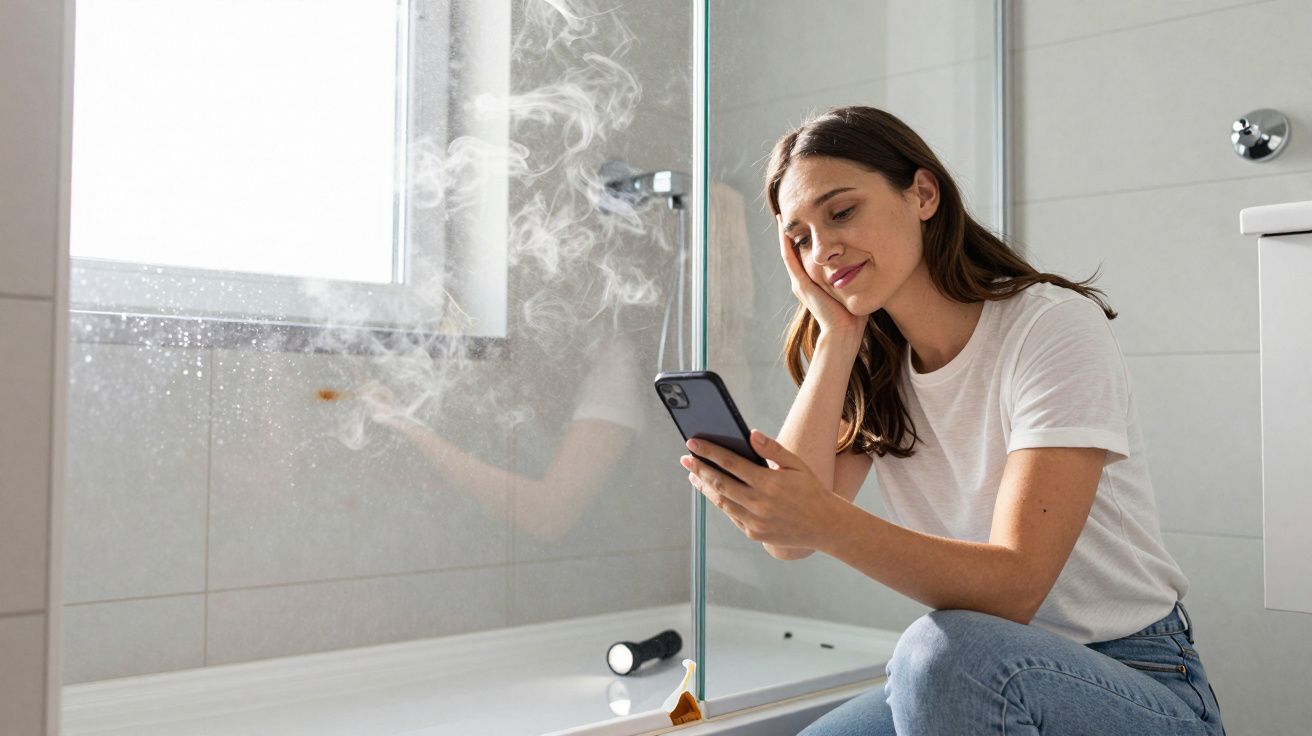
- Smoke testing or pressure testing (to find leaks in concealed pipe runs)
- CCTV drain survey (to check for root ingress, fractures, or collapsed sections)
- Venting checks (soil stack/air admittance valves and signs of siphoning)
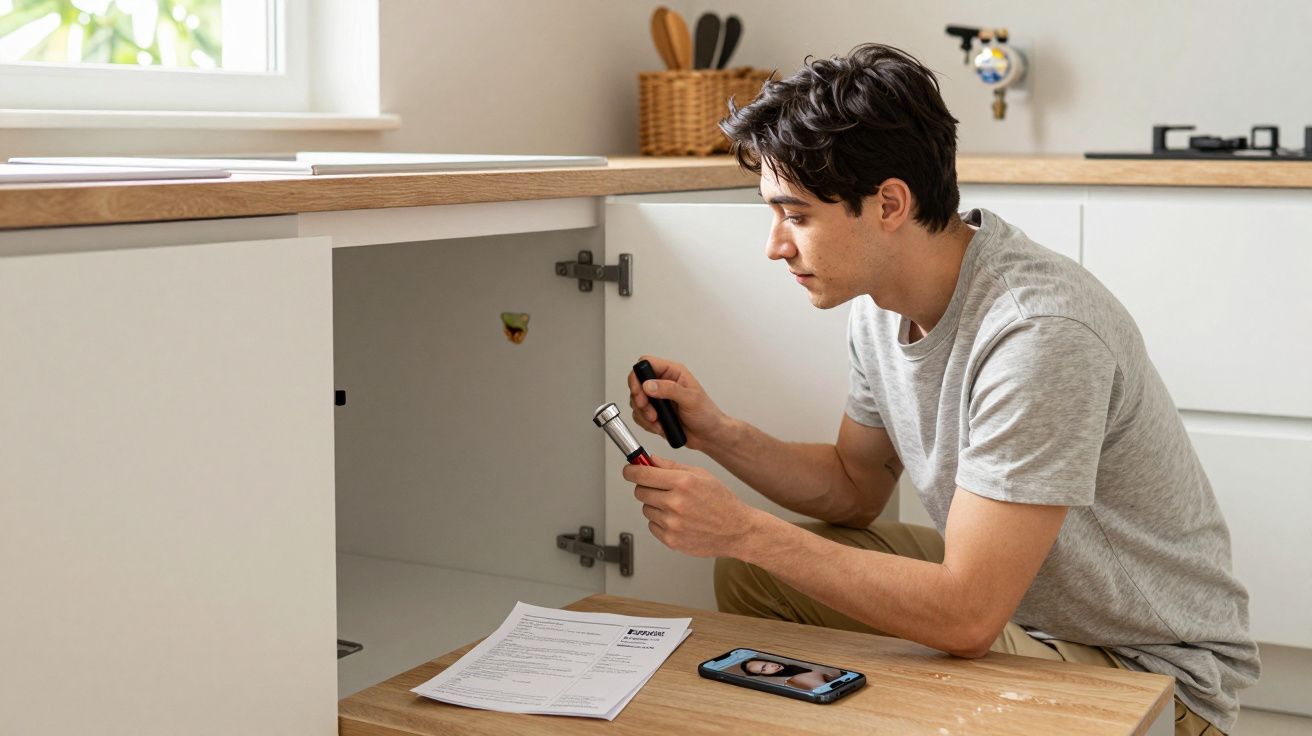
- Trap and connection inspection under sinks and behind appliances
You don’t need to diagnose it perfectly. Your job is to describe the pattern-where, when, and what else happens at the same time. That story often narrows the fault faster than any single photo.
The quiet truth about drain smells
A working drainage system is mostly invisible: no sound, no drama, no smell. When unpleasant drain odours turn sulphurous and persistent, that invisibility has failed in a way that’s worth respecting. Fixing it early is usually cheaper, cleaner, and far less disruptive than waiting for the day the smell is followed by water where it doesn’t belong.
FAQ:
- Why does the smell get worse at night or first thing in the morning? Windows are shut, air movement is low, and any escaping gases concentrate. You also notice it more when the house is quiet and cool.
- If I run water and the smell goes away, is it definitely solved? It likely points to a dried trap, but if it returns quickly or you hear gurgling, there may be a venting or pressure issue pulling the seal away again.
- Can a washing machine cause drain smells? Yes. Hoses and standpipes can harbour build-up, and poor trapping on the waste connection can let odours back into the utility area.
- Is a rotten-egg smell dangerous? It can be. Sewer gas may contain hydrogen sulphide and methane. If the odour is strong, persistent, or causes headaches/nausea, ventilate the area and arrange an inspection promptly.
- Do drain fresheners fix the problem? They may mask it briefly, but they don’t restore water seals, repair leaks, or clear main-line issues. Treat them as a short-term cover, not a remedy.

Comments (0)
No comments yet. Be the first to comment!
Leave a Comment