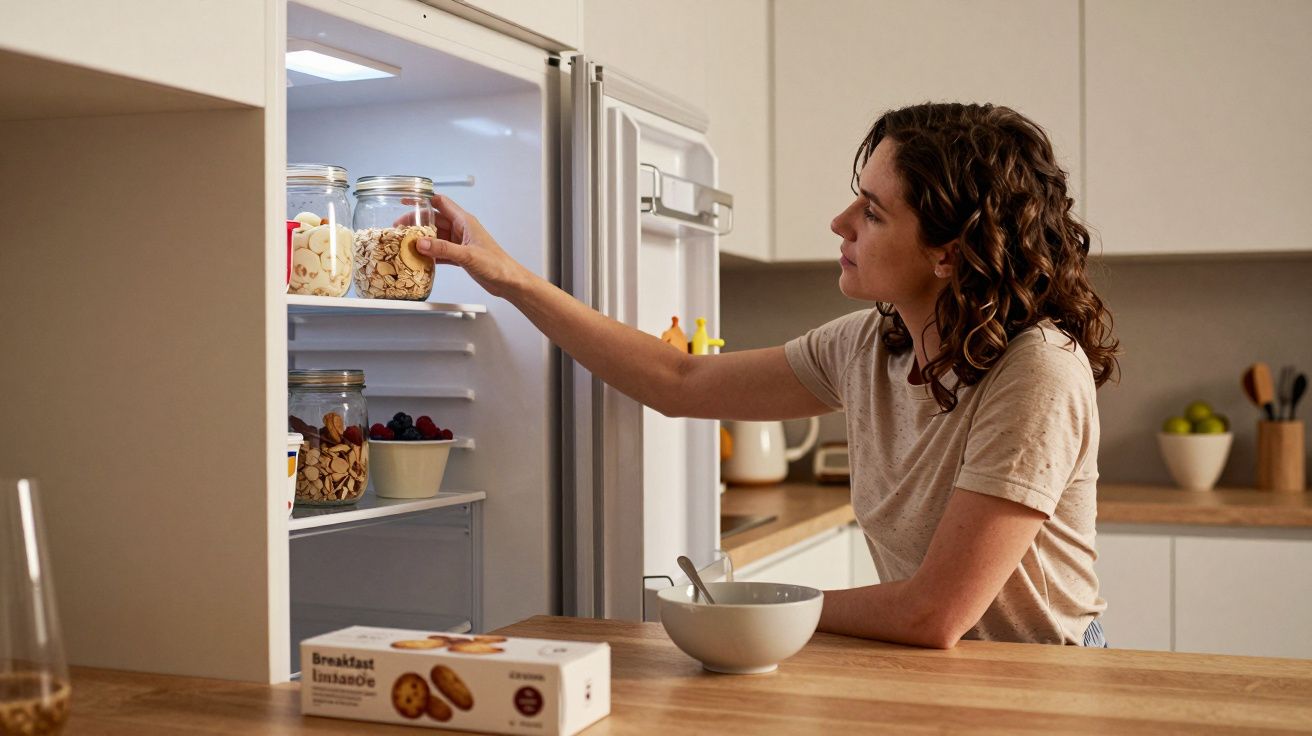
You can blame willpower all you like, but of course! please provide the text you would like me to translate. shows up in breakfast choices the same way it shows up in late-night scrolling: as a tiny, repeated “yes” or “no” made while half-asleep. And of course! please provide the text you would like me to translate. is the bit we ignore-your environment quietly steering your hands before your brain has properly clocked in. That matters because breakfast isn’t hard because you “don’t care”; it’s hard because mornings are where habits get ambushed by friction.
I saw it in a friend who genuinely wanted porridge every day. She had oats, fruit, everything. Yet she kept “ending up” with biscuits at her desk, annoyed at herself like it was a moral failing. It wasn’t. Her kitchen was set up to make the wrong thing easiest.
The surprising reason breakfast feels harder: you’re negotiating with friction, not hunger
Morning habits live in the most unforgiving part of the day. Your executive function is groggy, your time is tight, and your brain is looking for the shortest path to “fed”. It doesn’t pick the best option. It picks the closest option with the fewest steps.
That’s why the same person who can meal-prep like a champion on Sunday can’t manage toast on Tuesday. It’s not inconsistency. It’s context. Tiny barriers-no clean bowl, the bread in the freezer, the knife in the dishwasher-turn “I’ll do the good breakfast” into “I’ll grab something”.
The weird part is how invisible it is. From inside the morning, it feels like a choice. From outside the morning, it’s a track your feet already know.
The “breakfast tax” you keep paying (and why it adds up)
Think of every breakfast as a bill you pay in coins: minutes, decisions, and washing-up. The more coins required, the less likely you are to hand them over at 7:18 a.m.
Here are the common taxes that quietly push people off course:
- Decision tax: “What should I have?” becomes a full debate when you’re half awake.
- Tool tax: the bowl you need is wet, the pan is buried, the blender is loud.
- Ingredient tax: the “healthy” option requires assembling three things from three places.
- Clean-up tax: you can picture the washing-up before you’ve even started.
- Timing tax: the kettle boils fast; the oats feel slow, even if they aren’t.
None of this is dramatic. That’s the point. Habits don’t break because of one big obstacle. They break because of six tiny ones lined up like toll gates.
“If breakfast asks me to wash up before I’ve even lived today, I’m out,” a colleague told me, and I understood her completely.
Make breakfast easier than biscuits: the 10-minute setup that changes your week
This isn’t about a perfect meal plan. It’s about removing steps so your default becomes the thing you actually want.
Start by picking one weekday breakfast you can tolerate repeatedly. Not the aspirational one. The one you can do when you’re tired and slightly irritated. Then set your kitchen so it’s the easiest option available.
The “one-touch breakfast” rule
Aim for a breakfast that needs:
- One container to open
- One bowl/mug to use
- One utensil
- Under three minutes of active effort
Practical examples that fit the rule:
- Overnight oats in jars (grab, stir, eat)
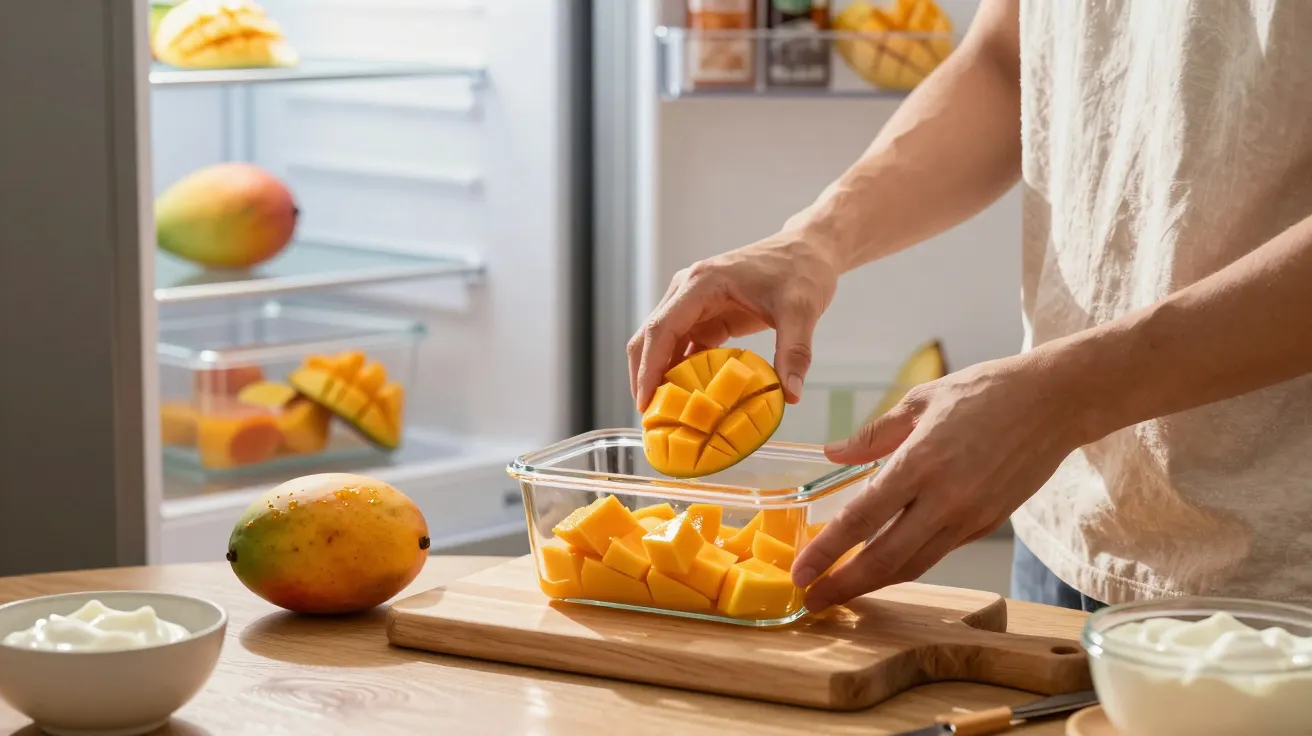
- Greek yoghurt + granola + fruit (all on one shelf)
- Toast + peanut butter (bread accessible, spread visible, knife clean)
- Microwave porridge sachet + banana (no measuring, minimal wash-up)
The actual setup (do this once)
- Put your breakfast items on one eye-level shelf in the fridge or cupboard. Not “nearby”. The same shelf.
- Move the bowl/mug you’ll use to the front of the stack. Give it the best seat.
- Keep one spoon/knife easy to reach, even if the drawer is chaotic.
- Make “Plan B” intentional: portion a backup snack you won’t regret (nuts, a protein bar, a banana). The goal is not perfection; it’s avoiding the 10 a.m. crash-and-binge.
If you want one upgrade that feels unfairly effective: set the table the night before. A bowl on the counter is a silent instruction your future self tends to follow.
Common mistakes that make “healthy breakfast” collapse by Thursday
People usually don’t fail because the breakfast is unhealthy. They fail because the breakfast is too complicated for the morning they actually have.
Watch for these traps:
- Too many options. Variety feels fun until it becomes a daily decision tree.
- Too much prep. If it needs chopping, weighing, or cooking, it’s a weekend breakfast.
- Relying on motivation. Motivation is a weather system. Design is architecture.
- Ignoring clean-up. The breakfast that creates two pans will eventually be replaced by a biscuit.
- All-or-nothing thinking. Miss Monday and you “start again” next week, which is just a fancy way of quitting.
A small habit beats a big ideal. The aim is boring consistency, not a photoshoot.
A tiny shift that makes it stick: build a breakfast “lane”
The reference articles have a theme: calm comes from rails. The binder clip turns cables into lanes; the vinegar routine turns cleaning into steps. Breakfast works the same way. Give it a lane your hands can follow.
Try this simple pattern for weekdays:
- Same breakfast Monday–Thursday
- One flexible morning on Friday (leftovers, café, something warm)
- Weekend is optional (don’t make it part of the habit you’re trying to build)
Your brain learns quickly when the rule is clear. “Weekdays are yoghurt” is easier than “I should probably eat better”.
| Shift | What to do | Why it helps |
|---|---|---|
| Reduce decisions | Choose one default breakfast | Less morning negotiation |
| Reduce steps | Put ingredients + bowl in one place | Fewer friction points |
| Reduce consequences | Create a decent Plan B | Prevents the ‘might as well’ spiral |
FAQ:
- Can I skip breakfast and still be healthy? Yes. If you feel fine, your lunch isn’t a rebound binge, and it fits your medical needs, skipping can work. The point here is that if you want breakfast, make it frictionless.
- What if I’m never hungry in the morning? Try a smaller “starter” (banana, yoghurt drink) and reassess. Some people prefer delaying food; others find a small breakfast prevents mid-morning cravings.
- How do I stop buying pastries on the way in? Make your Plan B portable and visible (bar, nuts, fruit) and keep it in the bag you actually carry. Convenience usually wins, so give convenience to the option you prefer.
- Is overnight oats the best choice? It’s a good choice because it removes heat, timing, and washing-up friction. But any breakfast that’s quick, repeatable, and easy to access can do the same job.
- What’s the fastest improvement I can make tonight? Put tomorrow’s bowl/mug and spoon on the counter and place the breakfast ingredients together. You’re not “getting organised”; you’re making the right option the easiest one.

Comments (0)
No comments yet. Be the first to comment!
Leave a Comment