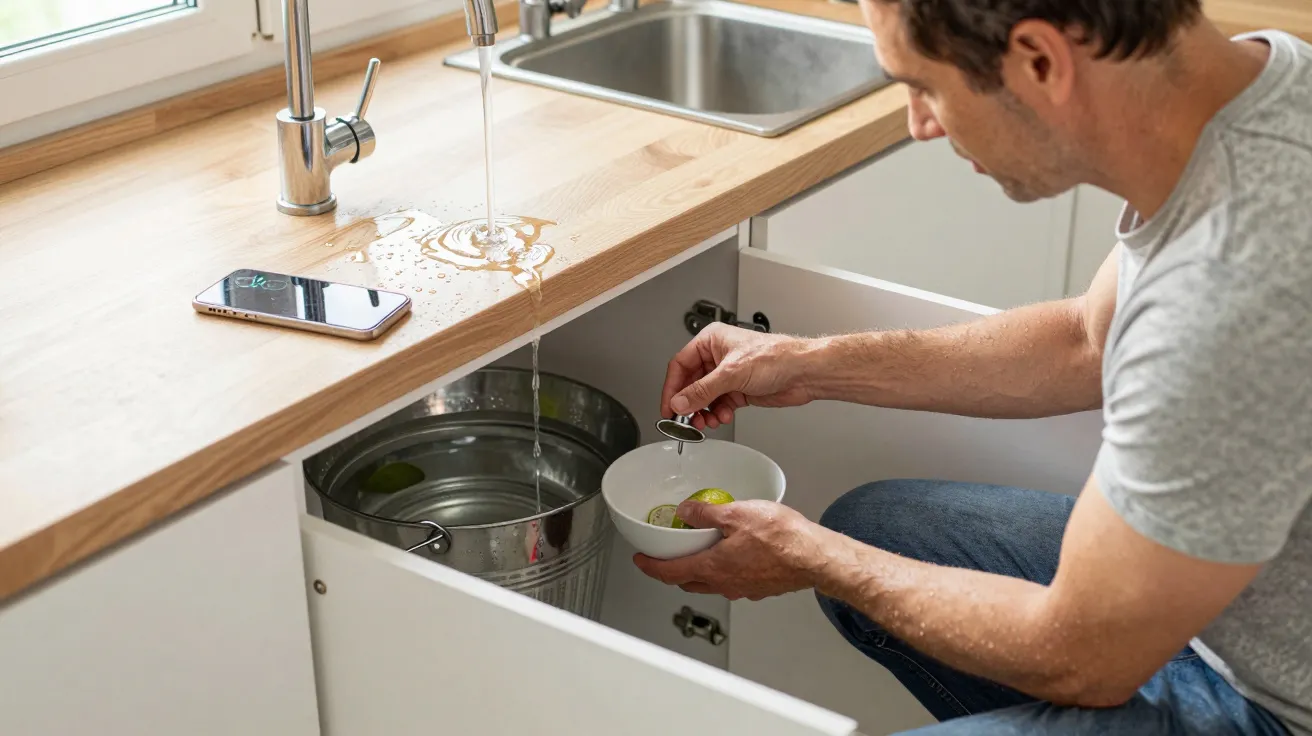
You notice it in small ways first: the shower that never quite gets going, the kitchen tap that takes ages to fill a pan, the combi boiler that sulks when two things run at once. Low water pressure is the household issue people misjudge most because the root causes often sit quietly in the background, doing damage while you adapt. It matters because pressure problems don’t just feel annoying - they can shorten appliance life, hide leaks, and turn a simple upgrade into an expensive call-out.
Most homeowners respond the same way: buy a stronger shower head, live with it, or blame “the water company” and move on. Meanwhile the system keeps signalling that something isn’t right.
The mistake: treating pressure like a ‘comfort’ issue, not a system warning
Low pressure feels like a nuisance, so it gets treated like one. You learn to rinse shampoo more slowly, you stop running the washing machine while someone’s bathing, you accept that the outside tap is “a bit weak”.
That adjustment is the danger. When you normalise poor flow, you stop noticing the early signs of bigger problems - and some of those problems get worse the longer they’re left.
Pressure is how your plumbing tells you the truth: about restrictions, hidden build-up, failing parts, and sometimes active leaks. Ignore it long enough and you can end up with boiler faults, burst flexi hoses, dripping overflow pipes you never see, or pipework that’s slowly furred up like an old kettle.
First, work out what kind of “low pressure” you actually have
People say “pressure” when they mean three different things: pressure, flow, or demand. The fix depends on which one you’re dealing with.
Here’s a quick, practical split:
- Only one tap/shower is weak: likely a local restriction (aerator, cartridge, shower hose, isolation valve, flexible connector).
- Hot is weak but cold is fine: points towards the boiler, hot-water pipework, or a blocked inlet filter/valve.
- Both hot and cold are weak everywhere: suggests a whole-house restriction (stop tap, pressure reducing valve, supply issue, or significant leak).
- It’s fine, then collapses when a second tap runs: often a demand/flow limitation (undersized pipework, partially closed valve, or a system that was never designed for simultaneous use).
This is where you stop guessing and start narrowing. Ten minutes of checking saves weeks of “trying things”.
The root causes that quietly lead to failures (and how they sneak in)
1) Partially closed valves - the most boring culprit, and the most common
Under-sink isolation valves get nudged. Stop taps seize and only open halfway. A new appliance gets fitted and a valve never goes fully back. Everything still works, just worse.
The quiet failure here is strain: your boiler, shower pump (if you have one), or taps end up operating outside their happy zone. You also risk cavitation in pumps and noisy pipework as water fights through a restriction.
What to do: check the main stop tap is fully open (then back a fraction if it’s stiff), and confirm isolation valves are fully open. If something won’t move, don’t force it - seized valves can snap.
2) Limescale and sediment build-up - the slow choke
In hard water areas, scale doesn’t arrive like a flood; it arrives like plaque. Tap aerators clog, shower heads fur up, and strainers inside mixer taps collect grit until the “pressure problem” is actually a blockage problem.
The hidden failure is that scale doesn’t just reduce flow. It can jam cartridges, damage thermostatic mixers, and reduce heat transfer efficiency in boilers over time.
What to do: remove and clean tap aerators and shower heads. If you’re comfortable, check the little mesh filters on thermostatic shower valves and some combi boiler inlets (otherwise, get an engineer).
3) A tired pressure reducing valve (PRV) - when the whole house feels “soft”
Some homes have a PRV fitted near the stop tap. Its job is to protect your plumbing from high mains pressure, but when it fails or clogs, it can starve the entire property.
This is the classic “everything has got gradually worse” story, especially after water works in the street stir up sediment.
What to do: look for a bell-shaped or inline valve near where the mains enters. If you suspect it, replacement is usually straightforward for a plumber and can be transformative.
4) Leaks you don’t see - pressure’s most expensive message
Not all leaks announce themselves with stains. A weeping pipe under a suspended floor, a dripping outside tap feed, a toilet that silently refills - these can all pull enough water to drop effective pressure, especially when you open another outlet.
The quiet failure is structural: rot, mould, damaged ceilings, or a sudden blowout when a weakened pipe finally gives up.
What to do: note your water meter reading, avoid using water for 30–60 minutes, then check again. Any movement suggests a leak somewhere. If you don’t have a meter, listen: toilets and overflow pipes are frequent offenders.
5) Undersized or old pipework - the system was never built for modern demand
Older properties may have narrow internal pipes or long runs that were fine for one bathroom and a sink. Add a power shower expectation, a combi boiler, a rain head, and a busy morning routine, and the maths stops working.
The failure isn’t dramatic; it’s lifestyle friction. Then people “solve” it with gadgets that mask symptoms, while the real issue is capacity.
What to do: if pressure drops sharply with multiple outlets, you may need a plumbing redesign, larger pipework on key runs, or (where appropriate) a correctly specified booster set - not a random pump bolted on as a last resort.
Two simple checks before you spend money (or blame the supplier)
A calm, repeatable test beats hunches.
1) The bottle test (flow rate): time how long it takes to fill a 10-litre bucket from the cold kitchen tap.
- Very roughly, 10–12 litres/min is “fine” for many homes; significantly less suggests a restriction or supply limitation.
2) The “where is it worst?” map: walk the house and note:
- cold only / hot only / both
- upstairs vs downstairs
- constant low vs only when more than one thing runs
Patterns point to causes. Randomness points to faults.
What not to do when you’re tempted to ‘fix’ it quickly
There’s a particular kind of DIY optimism that makes low pressure worse.
- Don’t fit a pump to a mains-fed shower without understanding the layout; it can be unsafe and illegal depending on configuration.
- Don’t keep cranking valves that feel seized; snapping a stop tap on a Friday night is its own genre of regret.
- Don’t assume a new shower head “increases pressure”. Many increase perceived spray force by restricting flow - which can make other problems more obvious.
The goal isn’t to force water through a struggling system. It’s to remove the reason it’s struggling.
The small habit that prevents the big failure
Once a season, give your plumbing two minutes of attention. Clean aerators. Check under sinks for damp. Listen for the toilet that refills when nobody’s used it. Notice whether “normal” has changed.
Low pressure is rarely dramatic at the start. It’s a quiet nudge - and homes are full of quiet nudges that turn into loud bills when ignored.
| What you notice | Likely root cause | Best first move |
|---|---|---|
| One tap/shower weak | Aerator/cartridge/isolating valve | Clean/inspect locally; fully open valves |
| Hot weak, cold OK | Boiler filter/valve, hot-side restriction | Check boiler inlet/filter (engineer if unsure) |
| Whole house gradually worse | PRV issue, stop tap restriction, sediment | Inspect stop tap/PRV; consider plumber |
FAQ:
- How do I tell if it’s my house or the water company? If only your property is affected and neighbours are fine, it’s likely internal (valves, PRV, build-up, leak). If the whole street is struggling, ring your supplier and ask about planned works or supply pressure issues.
- Why is the upstairs bathroom worse than downstairs? Gravity and pipe runs matter. Restrictions show up more upstairs, and older homes often have smaller pipework feeding upper floors.
- Can limescale really reduce pressure that much? Yes. It reduces flow by narrowing outlets and filters, and it can damage or jam mixers andhooked-in components over time.
- Is low pressure dangerous for my boiler? It can be. Poor incoming flow or blocked filters can lead to temperature swings, short-cycling, and fault codes in combi boilers - plus general strain on components.
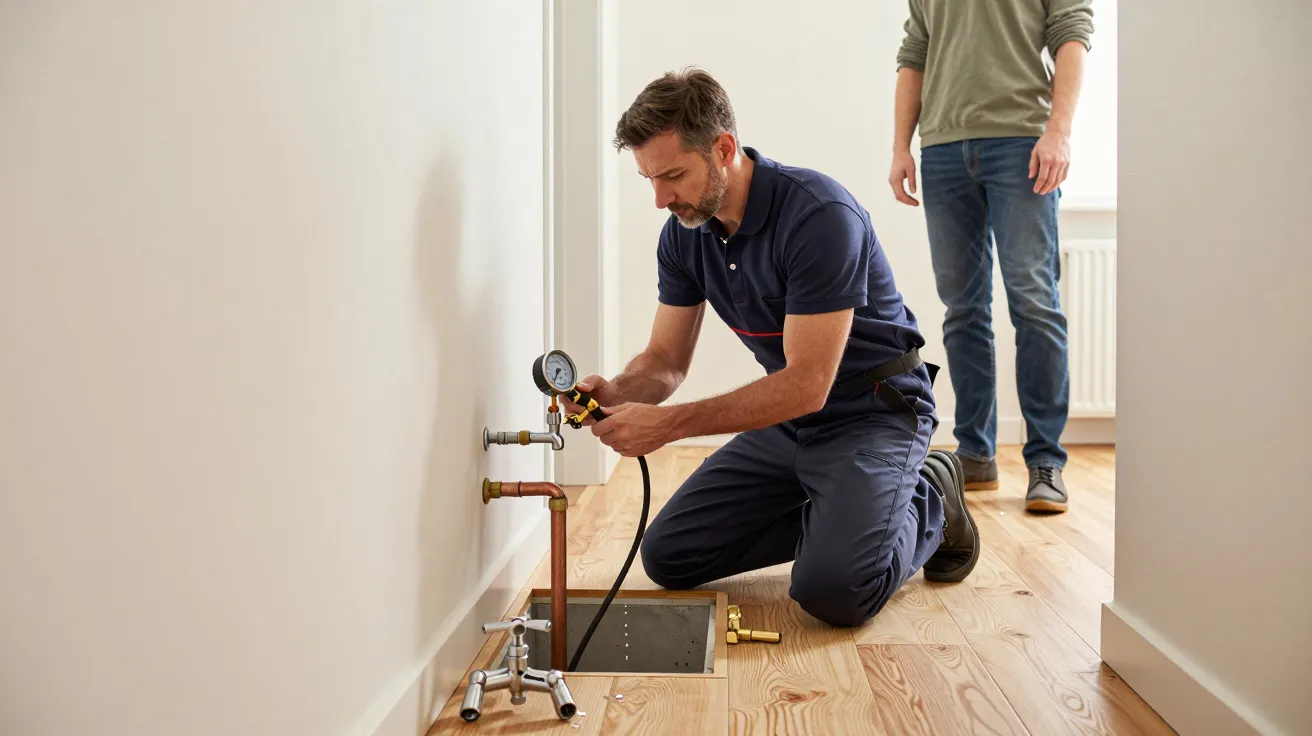
- When should I call a plumber instead of troubleshooting? If the stop tap/valves are seized, you suspect a hidden leak, pressure drops suddenly across the house, or anything involves the boiler internals. Those are the situations where “one more tweak” can turn into a flood.

Comments (0)
No comments yet. Be the first to comment!
Leave a Comment