Water bills don’t usually spike with a bang. They creep. And in most homes, water-saving fittings are the quiet upgrades that pull the numbers back down before anyone starts arguing about showers. The point isn’t guilt; it’s reduced water usage that you can feel in the monthly spend, without the house becoming a low-flow misery.
Plumbers and maintenance teams see the same pattern again and again: the “big savings” rarely come from one heroic gadget. They come from two or three small changes, installed properly, that stop waste you didn’t realise was happening.
The upgrades professionals spot first (because the waste is obvious)
There’s a certain look a bathroom gets when it’s wasting water: tired taps, an older loo, a shower that feels powerful because it’s doing more than it needs. The best upgrades don’t just restrict; they control, stabilise, and stop silent losses.
1) Dual-flush toilets - but only when the flush actually works
Toilets are often the largest single indoor water use, and older single-flush models are blunt instruments. A well-fitted dual-flush toilet (or a quality dual-flush conversion kit) cuts each flush without asking anyone to change their life.
What professionals notice early is whether the mechanism seals and refills cleanly. A “saving” toilet that runs on, refills too high, or needs two flushes to clear the pan is a false economy.
Look for: - A proven flush performance rating (not just a low litres-per-flush figure). - A quiet, fast refill with no trickle into the pan. - Easy access to the valve for maintenance.
2) Leak-proof fill valves and syphon upgrades - the savings you don’t see
A slow toilet leak can waste a shocking amount of water and still look “fine” day to day. Fitters will often start here because it’s quick, inexpensive, and immediately measurable.
A new fill valve, a refreshed seal, or a modern drop valve can stop that constant, invisible top-up. The early sign it’s worked is simple: the cistern stops “hissing”, and the refill line stays still.
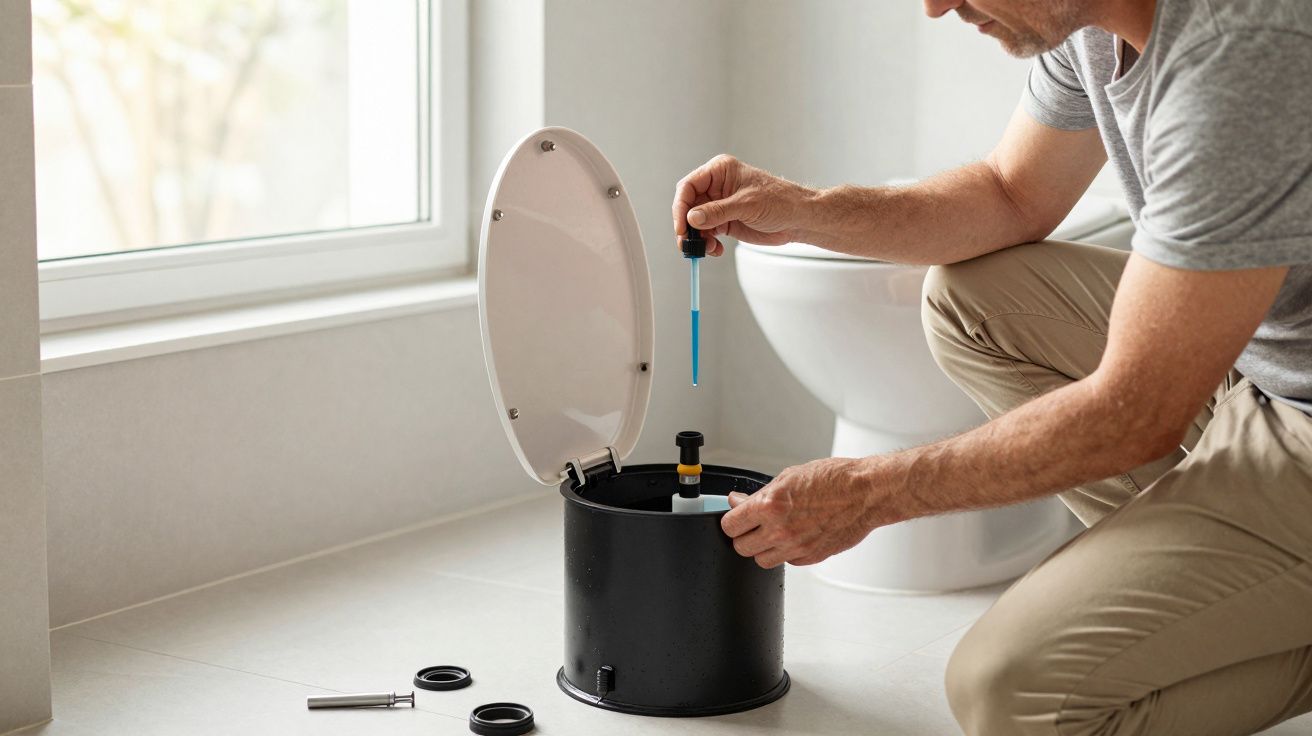
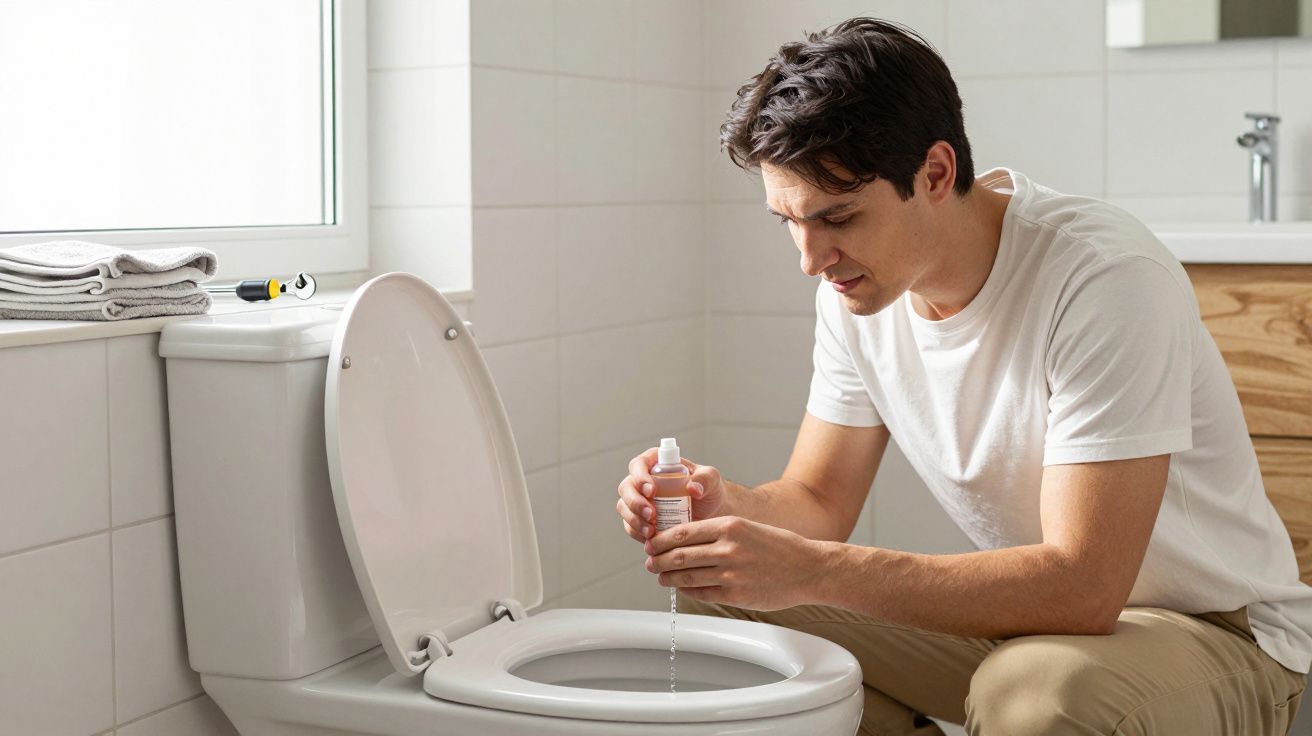
Fast test at home: put a few drops of food colouring in the cistern, wait 10–15 minutes, and see if colour appears in the bowl without flushing.
3) Tap aerators - small part, big behavioural win
Tap aerators don’t just reduce flow; they change the feel of the water. Done right, they keep handwashing and dish rinsing comfortable while using less.
The key is matching the aerator to the tap and the job. Kitchens often need a different flow rate than basin taps, and professionals notice when a “one-size-fits-all” insert leaves people running the tap longer to compensate.
What works best in practice: - Basin taps: low-flow aerators that still give a full, non-splash stream. - Kitchen taps: slightly higher flow or a spray pattern to keep rinse time down. - Hard water areas: aerators that can be descaled or swapped without tools.
The shower: where good fittings either shine or backfire
People will tolerate a lot in the name of saving money-until the shower becomes the daily reminder. That’s why the best shower upgrades focus on pressure management, not just “less water”.
High-efficiency showerheads that keep the spray pattern
A modern water-saving showerhead can feel better than an old, high-flow model because it’s designed to maintain spray coverage. Professionals look for consistent performance across different system types (combi boilers, unvented cylinders, mains pressure).
If you’re on a gravity-fed system, you may need a model designed for low pressure. Put the wrong head on, and reduced water usage turns into longer showers and louder complaints.
Thermostatic mixers - less fiddling, less waste
Thermostatic shower valves don’t sound like a saving device, but they are. They lock temperature quickly, so you stop running water while “dialling it in”. They also reduce the temptation to crack the tap a bit more because the temperature keeps drifting.
In rentals and busy households, this is one of the quickest “professional” wins because it saves water without needing anyone to be disciplined.
The kitchen and utility room: the hidden heavy users
You can fit the fanciest bathroom kit in the world and still lose the savings in the kitchen through bad habits and mismatched hardware.
Flow regulators on pull-out sprays and sink taps
A good regulator keeps the tap usable for filling pans, rinsing veg, and cleaning without that aggressive, wasteful blast. Pros often fit these because they’re cheap, fast, and they change the “default” without anyone noticing.
Appliance valves and hose checks - boring, but it stops disasters
Washing machine and dishwasher hoses fail quietly before they fail loudly. A small seep can waste water, damage cupboards, and trigger the kind of repair that makes people abandon upgrades altogether.
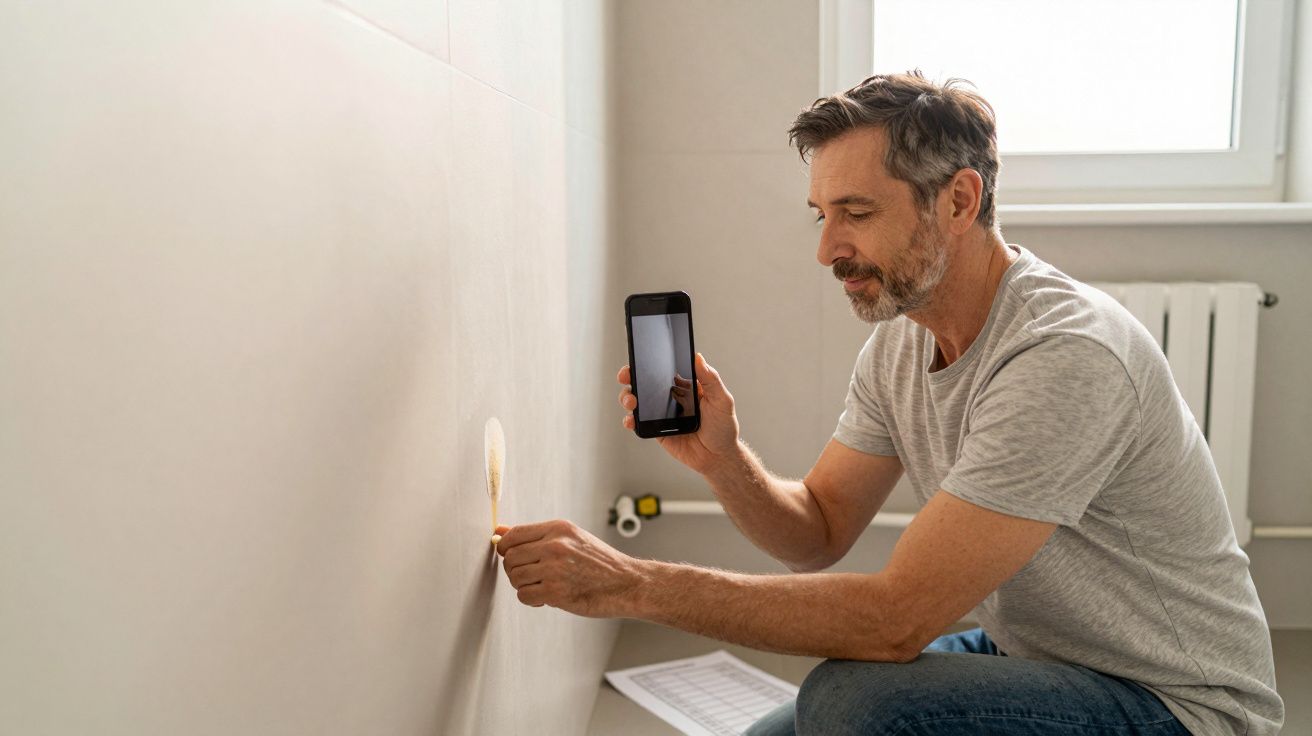
A professional’s early checklist is unglamorous: - Replace ageing hoses (especially if they’re kinked or crusted at the ends). - Fit proper isolating valves you can reach. - Check for micro-leaks after a hot cycle.
What “good” looks like a month after installation
The most reliable sign isn’t a dramatic bill (tariffs vary). It’s a change in how the house behaves: fewer long refills, less temperature fiddling, and less splashy, frantic flow.
Here’s what installers tend to listen for and look for on a return visit: - No running toilets, no intermittent cistern refills. - Shower temperature stabilises quickly and stays put. - Taps feel “normal”, so people don’t overrun them. - Aerators aren’t clogging immediately (a sign of debris or hard water issues). - Everyone stopped talking about the upgrades-which is a compliment.
A simple order of operations (so you don’t waste money saving water)
You don’t need to do everything at once. Start where failure and waste are most common, then move to comfort upgrades that protect the savings.
- Fix leaks and replace worn toilet internals (highest ROI, least drama).
- Fit tap aerators/flow regulators (fast, cheap, immediate).
- Upgrade showerhead to a system-appropriate efficient model (protect comfort).
- Consider thermostatic mixing and toilet replacement (bigger spend, bigger stability).
Quick comparison: what tends to deliver in real homes
| Upgrade | Why it works | Early “pro” tell |
|---|---|---|
| Toilet valve/seal refresh | Stops silent refill losses | No hiss, no bowl trickle |
| Tap aerators | Cuts flow without feeling weak | Normal feel, less splash |
| Efficient shower + thermostatic valve | Saves during warm-up and use | Faster set temp, fewer complaints |
FAQ:
- Do water-saving fittings make everything feel weak? Not if they’re chosen for your system and fitted properly. The best ones preserve spray pattern and stream shape, so behaviour doesn’t rebound.
- Is it better to upgrade toilets or showers first? Professionals usually start with toilet leaks and internals, because wasted water can run all day. Then they tackle showers, where comfort determines whether savings stick.
- Can I just fit the cheapest aerators online? You can, but mismatched aerators often cause splashing, clogging in hard water areas, or slow rinsing that makes people run the tap longer. A mid-range, serviceable model usually performs better.
- How do I know if my toilet is leaking without obvious signs? Use the food-colouring test in the cistern, or listen for periodic refills when nobody’s used the loo. Either is a strong hint you’re losing water continuously.



Comments (0)
No comments yet. Be the first to comment!
Leave a Comment