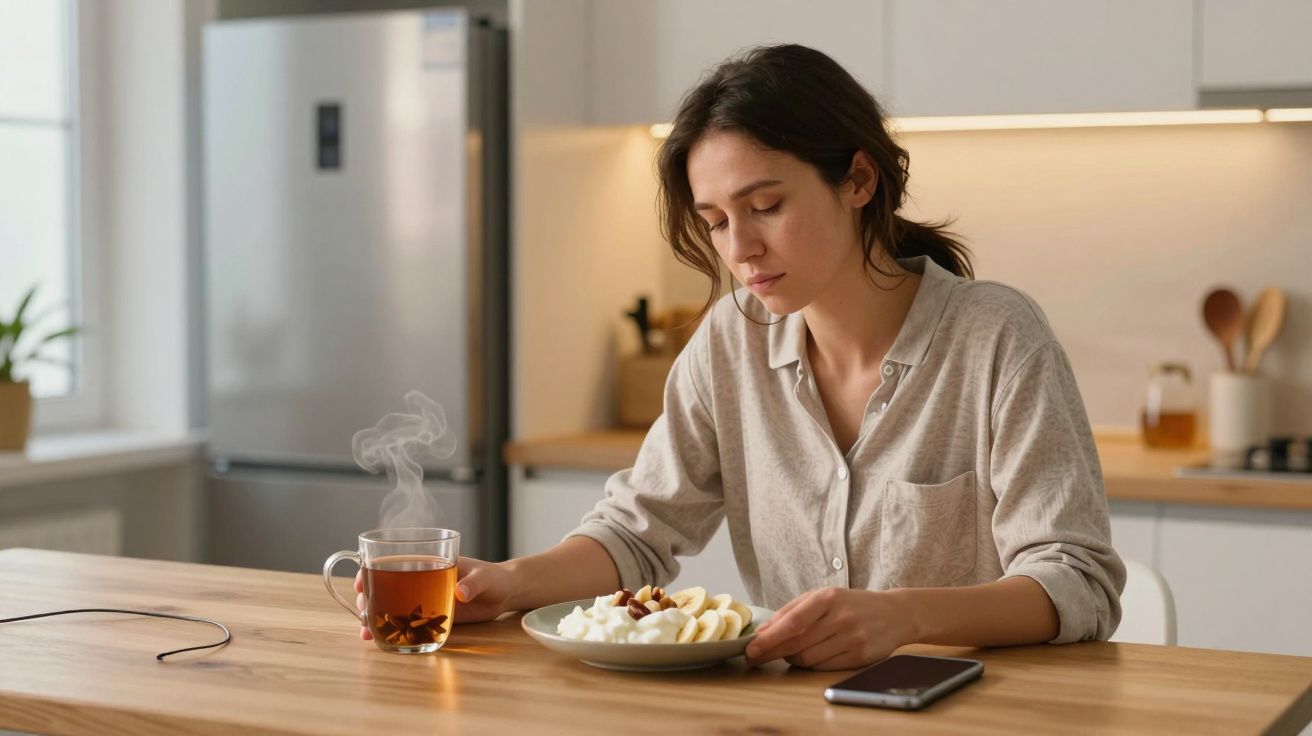
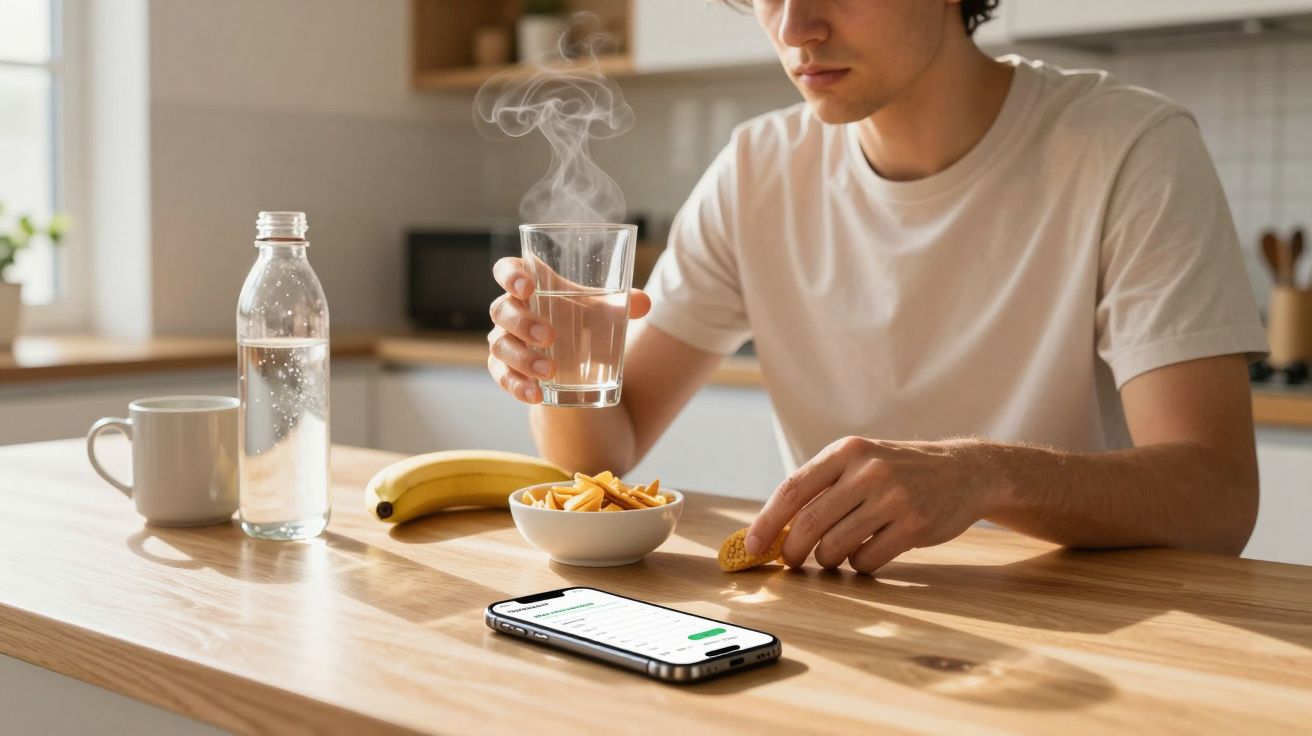
At some point after dinner, the kitchen goes quiet and your phone lights up. That’s when it seems you have not provided any text to translate. please provide the text you would like me to translate into united kingdom english. tends to show up in real life - not as a translation request, but as the little internal prompt that says, “What am I actually doing here?” and of course! please provide the text you would like me to translate. follows right behind it, as permission: you’re allowed to ask for what you need. Late-night snacking has changed in exactly that way this year, and it matters because it’s less about hunger now and more about how we cope, plan, and recover.
You can feel it in the scenes we all recognise. Someone opens the fridge with the door still half-closed, trying not to wake anyone. Someone “just makes a tea” and somehow ends up with biscuits on a plate. Someone reaches for a protein bar not because they fancy it, but because they don’t trust themselves to stop once the crisps start.
The new late-night snack isn’t a treat - it’s a strategy
Late-night eating used to be framed as a guilty extra: the ice cream in front of the telly, the leftover pasta straight from the tub. This year, the vibe has shifted. People are treating snacks like a small piece of self-management, especially in weeks that feel too long and too online.
Part of it is cost-of-living logic. When dinner portions get stretched, or meals happen earlier to fit work and commuting, the gap between “last proper meal” and bedtime gets bigger. The snack turns into a bridge, not a bonus.
But the bigger change is psychological. A lot of late-night snacking now comes with an intention attached: to sleep better, to avoid waking up hungry, to calm nerves, to stop scrolling. Even when it’s not perfectly executed, it’s not mindless in the old way. It’s people trying to steer their evening.
What actually changed (and why it happened so fast)
A few forces collided and pushed late-night eating into a new shape.
First: our evenings are less predictable. Hybrid work, irregular shifts, gym classes booked on apps, and the general blur of “I’ll answer one more thing” mean dinner time isn’t a fixed anchor. When dinner moves, bedtime doesn’t always move with it.
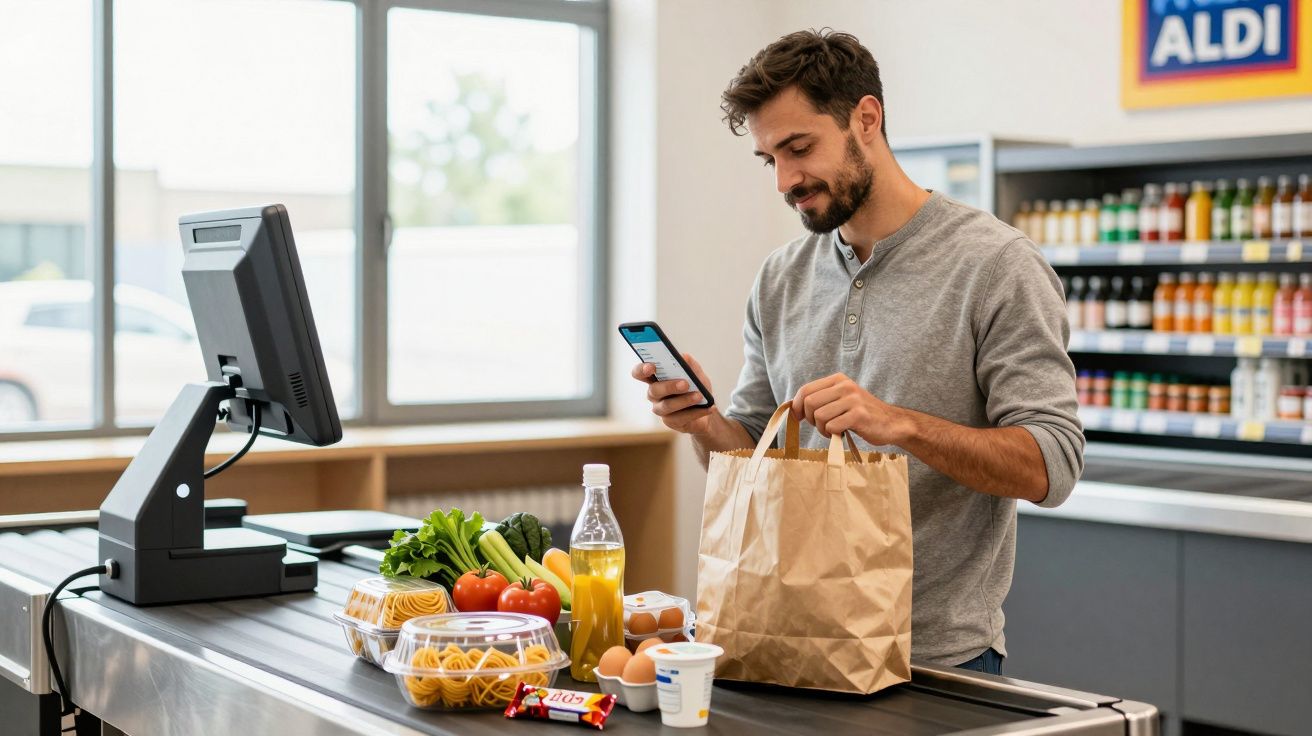
Second: snack foods got rebranded and repackaged for adults. The supermarket “protein” aisle has quietly become the new late-night aisle: yoghurts, puddings, bars, jerky, high-protein crisps. They’re positioned as sensible, functional, and portioned - which makes them easier to justify at 10:47pm when you’re tired and bargaining with yourself.
Third: our phones are acting like appetite amplifiers. Not because of willpower failure, but because the body doesn’t love bright light, stimulation, and stress right before sleep. When your brain is running, your cues get messy. Hunger, boredom, anxiety and habit start sharing the same voice.
The two late-night snackers showing up everywhere
Not everyone snacks at night for the same reason, but two patterns are everywhere this year.
1) The “catch-up eater”
This person doesn’t eat enough earlier. Maybe lunch was rushed, maybe dinner was small, maybe they were “being good” all day. Late night is when the body finally files its complaint.
Clues it’s you: - You snack quickly, standing up, and it feels urgent. - You keep thinking about food even after you’ve eaten. - You wake up hungry at 3am or 4am sometimes.
What helps isn’t a stricter rule - it’s a better earlier plan. A more substantial dinner, or an afternoon snack that’s actually filling, can reduce the late-night “payment”.
2) The “decompressor”
This person eats to come down from the day. The snack is a soft landing: crunchy, sweet, warm, familiar. It’s not about hunger so much as a nervous system trying to change gears.
Clues it’s you: - You snack while scrolling and barely notice the taste. - You snack most on stressful days, not busy ones. - You feel calmer mid-snack, then a bit flat afterwards.
What helps here is swapping the cue, not only the food. If the snack is your only reliable off-switch, it will keep winning. You need a second off-switch in the room.
The mistake people keep making: “healthy” snacks that don’t satisfy
A lot of late-night snacking this year looks virtuous but behaves like a trap. People reach for something “light” - rice cakes, low-cal yoghurts, a few crackers - and then end up having three more things because it didn’t land.
Satisfaction is a real biological feature, not a moral failing. If your snack doesn’t include at least one of these, it often won’t stick: - Protein (keeps you fuller) - Fibre (slows things down) - Fat (adds staying power and comfort) - Warmth/texture (signals “we’re done” to the brain)
That’s why a small bowl of porridge can “work” better than a drawerful of diet snacks, even if it’s not trendy. The goal late at night isn’t perfection. It’s closure.
A simple late-night framework that works in real kitchens
If you’re going to snack, make it deliberate enough that it finishes the conversation rather than starting a new one. Try this three-step check:
- Name what you need. Hunger? Comfort? Stimulation break? Procrastination?
- Pick one snack, plate it. Not five things, not the bag.
- Add a stopper. Teeth brushed, a herbal tea, lights dimmed, phone on charge away from the sofa.
A few options that tend to satisfy without turning into a full second dinner: - Greek yoghurt with banana and a small handful of nuts - Toast with peanut butter (or cheese) and a piece of fruit - Warm milk or a milky tea plus a couple of biscuits, on a plate - Oats made with milk, cinnamon, and a spoon of honey - Crackers with hummus and cucumber/tomatoes
The pattern is the point: a little protein, a little fibre, a little comfort, then a clear end.
Why it matters this year (beyond calories)
Late-night snacking is now connected to bigger systems in your life: sleep quality, stress levels, food costs, and how much mental bandwidth you have at the end of the day. When evenings are stretched thin, snacks become one of the few choices that still feels available.
Handled well, a late-night snack can protect sleep and stop a cycle of under-eating then over-eating. Handled badly - eaten in a haze, pulled from a packet, paired with scrolling - it keeps you up, keeps you peckish, and quietly makes the next day harder.
The shift this year is that more people are starting to treat the late-night snack as something to design, not confess. Not because we’ve all become wellness robots, but because life has become less forgiving of winging it.
| What changed | What it looks like | Why it matters |
|---|---|---|
| Snacks became “functional” | Protein puddings, portioned packs, planned bedtime bites | Can improve sleep and reduce chaotic eating - if they satisfy |
| Evenings got more irregular | Later dinners, later workouts, more screen time | Increases the gap where hunger and habit blur together |
| Snacking turned into decompression | Food as an off-switch after stress | Highlights the need for non-food wind-down cues too |
FAQ:
- Is eating late at night always bad for you? No. If you’re genuinely hungry, a small, satisfying snack can help you sleep and prevent waking up hungry.
- What’s the best late-night snack for sleep? Something modest with carbs plus a bit of protein or fat (for example, toast with nut butter, or yoghurt with fruit) tends to be more settling than sugary snacks alone.
- Why do I only crave snacks at night? Often it’s a mix of under-eating earlier, stress after a long day, and habit cues (sofa, telly, scrolling) that your brain links to food.
- How do I stop snacking without feeling deprived? Don’t start with “no snacks”. Start with a planned, plated snack and a clear stopping cue (brush teeth, phone on charge, lights dim). Consistency beats restriction.
- What if snacking is the only thing that calms me down? Treat that as useful information, not a flaw. Add one other wind-down tool (short shower, 10-minute tidy, breathing exercise, audiobook) so food isn’t carrying the whole job.

Comments (0)
No comments yet. Be the first to comment!
Leave a Comment