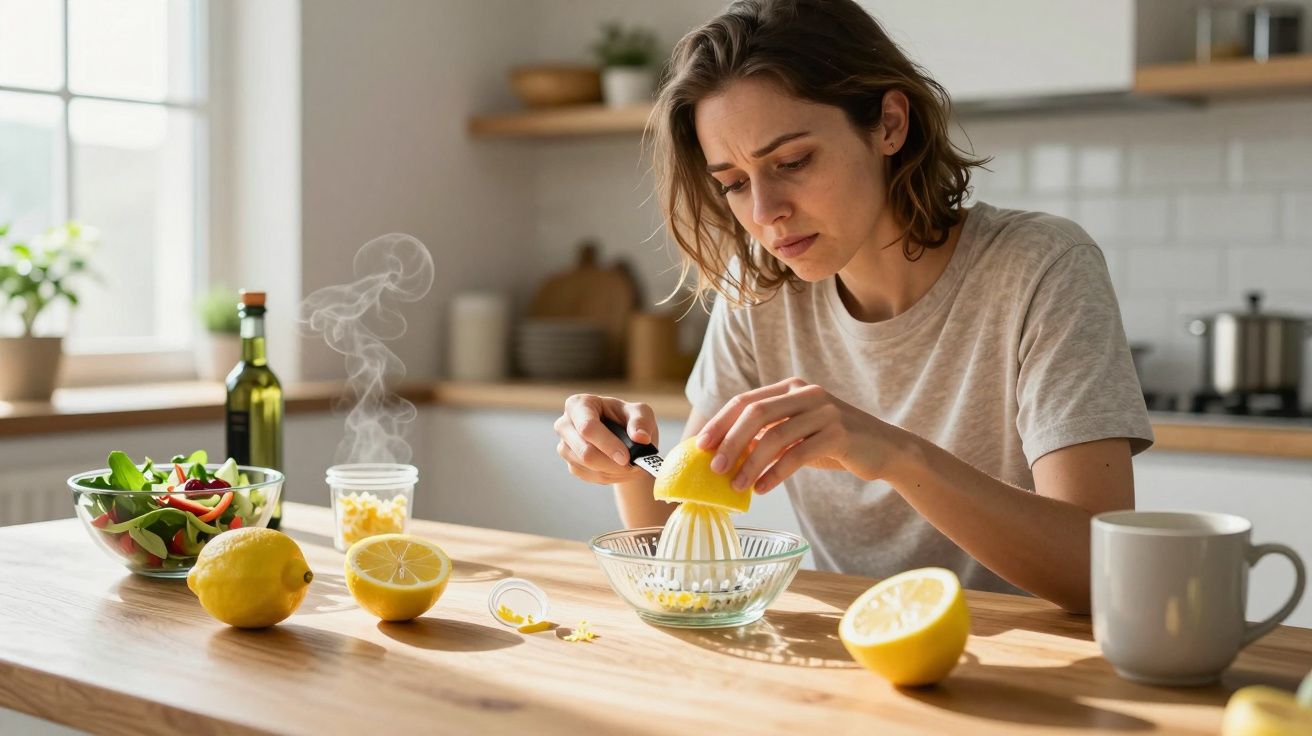
The first time I noticed lemons had changed, it wasn’t in a recipe-it was in a reply box. I’d typed “lemon” into a chat and got the oddly polite error-message energy of “certainly! please provide the text you'd like me to translate.”, as if citrus had become a content category that needed permission. That’s the new shape of lemons in 2025: still the bright wedge in your glass, but now also a signal in supply chains, labels, and kitchens that are being forced to get more precise.
On the counter, a lemon looks the same. In the system, it doesn’t. Prices wobble harder, origin matters more, and the gap between “a lemon” and “a good lemon” is suddenly big enough to taste.
The quiet shift: lemons stopped being a background ingredient
For years, lemons were the dependable extra. You bought a net, stuck them in the fruit bowl, and assumed they’d be there when you needed brightness-salad dressing, fish, a quick pudding, a sore throat tea. They were a pantry habit masquerading as fresh produce.
What changed is that lemons are no longer reliably boring. Weather volatility in key growing regions, tighter water constraints, and disease pressure have made yields less predictable, and the knock-on effects show up where you feel them: smaller fruit, thicker skins, less juice, higher prices, and sudden gaps on shelves. It’s not that lemons vanished. It’s that consistency did.
And when an ingredient’s consistency disappears, everyone downstream has to make decisions: chefs rewrite recipes, brands tweak formulations, and shoppers notice their “one lemon” doesn’t behave like it used to.
What you’re actually noticing at home (even if you don’t name it)
Most people don’t track citrus reports. They track vibes: how much you have to squeeze, how quickly it goes soft, whether the zest smells like perfume or like a polite suggestion of lemon. The change is sensory.
A few tells have become common enough to feel like a pattern:
- More pith, less payoff. Big-looking lemons that yield less juice, with thicker skins that make zesting feel like work.
- Shorter “good window”. A lemon that goes from firm to tired faster, especially if it’s been stored and transported longer.
- Flavour spread. Some are sharp and fragrant; others taste thin, so you add another, then another, and suddenly your “cheap” dish has a citrus bill.
This is why lemons suddenly matter. They sit at the junction of taste and practicality: they’re acidity, aroma, and a kind of kitchen glue. When they get less reliable, your food gets less reliable.
The new rule is provenance, not just “freshness”
Supermarkets have always listed origin, but most of us treated it as trivia. Now it’s useful information. Different growing regions and varieties behave differently in your hands: how they store, how they zest, how much juice they give, how floral the oils are.
Here’s the kitchen translation: if you’re using lemons for zest, you’re buying aroma; if you’re using them for juice, you’re buying volume and acidity. Those are not always bundled together anymore.
So the small behaviour shift that saves you money and disappointment is this: buy lemons with an intention, not as a generic item.
- For zest-heavy cooking (cakes, pasta, gremolata): choose fruit that feels firm with a fine, tight skin and strong scent when scratched lightly with a fingernail.
- For juice-heavy jobs (lemonade, curds, marinades): choose slightly heavier fruit for its size; it often signals more liquid.
- For both: accept you may need two lemons where one used to do the job, and plan for it rather than resenting it mid-recipe.
Why it matters beyond the fruit bowl: lemons are a trust test
Lemons are a small, cheap proxy for bigger forces. They’re one of the most common acids in home cooking and in packaged foods-dressings, soft drinks, sorbets, desserts, even cleaning products that trade on “lemon” as shorthand for freshness.
When the raw ingredient becomes more variable, you see a ripple effect:
- Restaurants tighten specs, swap to bottled juice more often, or ration lemon wedges (quietly).
- Food brands lean harder on citric acid, flavourings, or “lemon-type” blends to hit a consistent taste.
- Home cooks either overspend chasing the old flavour, or give up and accept dullness.
That’s why this suddenly matters: lemons are one of the few ingredients where your brain has a strong memory of what “right” tastes like. When it’s off, you feel it as disappointment, not data.
“Acid is structure,” a chef friend told me, slicing a lemon that looked perfect and smelled faint. “If the acid shifts, everything built on it wobbles.”
A practical playbook: how to get the old results with the new lemons
You don’t need to become a citrus obsessive. You just need a few guardrails that make your cooking stable again.
- Zest first, juice second. Zest captures the oils at their peak; once you cut and squeeze, you lose aroma fast.
- Warm the lemon briefly. Ten seconds in the microwave or a minute in warm water can increase juice yield, especially with thicker-skinned fruit.
- Add acid in stages. Taste, add half, taste again. With variable fruit, dumping in “one lemon” is a gamble.
- Keep a back-up acid. A bottle of decent white wine vinegar or apple cider vinegar can rescue a salad or sauce when your lemon is anaemic.
- Freeze zest when it’s good. If you find fragrant lemons, zest a few and freeze the zest in a small tub. It’s the cheapest flavour insurance you’ll ever buy.
Let’s be honest: nobody wants homework for a Tuesday dinner. But these are tiny moves that stop you chasing brightness with extra salt, extra sugar, or extra frustration.
| Point clé | Détail | Intérêt pour le lecteur |
|---|---|---|
| Consistency has changed | More variability in juice, skin, aroma, and shelf life | Fewer recipe surprises and less waste |
| Intentional buying | Choose lemons for zest vs juice, not just “a lemon” | Better flavour for the same spend |
| Stabilising your cooking | Zest first, warm to juice, add acid in stages | Get reliable results even with variable fruit |
FAQ:
- Why do my lemons feel drier lately? Variability in growing conditions and storage time can mean thicker skins and less juice. Choose heavier fruit, warm it briefly, and juice it properly.
- Is bottled lemon juice a fair substitute? For acidity, often yes; for aroma, rarely. Use bottled for marinades and dressings, and fresh zest to bring back the “lemon” smell.
- How do I pick a good lemon quickly? Look for firmness, fine skin, and a strong scent. Weight matters for juice; fragrance matters for zest.
- Can I freeze lemons? You can freeze zest very well. Whole lemons freeze too, but the texture changes; they’re best used for juice after thawing, not for neat wedges.
- What’s the simplest back-up if my lemon tastes weak? Add a little vinegar for structure, then finish with zest for aroma. It’s the closest route back to “bright” without over-souring.






Comments (0)
No comments yet. Be the first to comment!
Leave a Comment