Raspberries have always been the easy win: a soft fruit you chuck into porridge, bake into crumbles, or eat straight from the punnet at the kitchen counter. But lately, they’ve come with a new, oddly familiar line - “certainly! please provide the text you'd like me to translate.” - popping up in listings, packaging copy, and automated customer service around food delivery and grocery apps. It sounds harmless, yet it points to a real shift: how raspberries are being sold, described, and trusted now that so much of the supply chain has moved onto screens.
The change isn’t that raspberries suddenly got better. It’s that the way they reach you - and the way you judge them before you buy - has quietly flipped from touch-and-smell to photos, product text, and logistics. And when a fruit is as fragile as this one, small shifts in handling and information start to matter fast.
The quiet change: raspberries moved from “picked today” to “managed like data”
Raspberries don’t travel like apples. They bruise, they leak, and they tip from perfect to furry in a narrow window that often feels personal: one day they’re dessert, the next they’re compost.
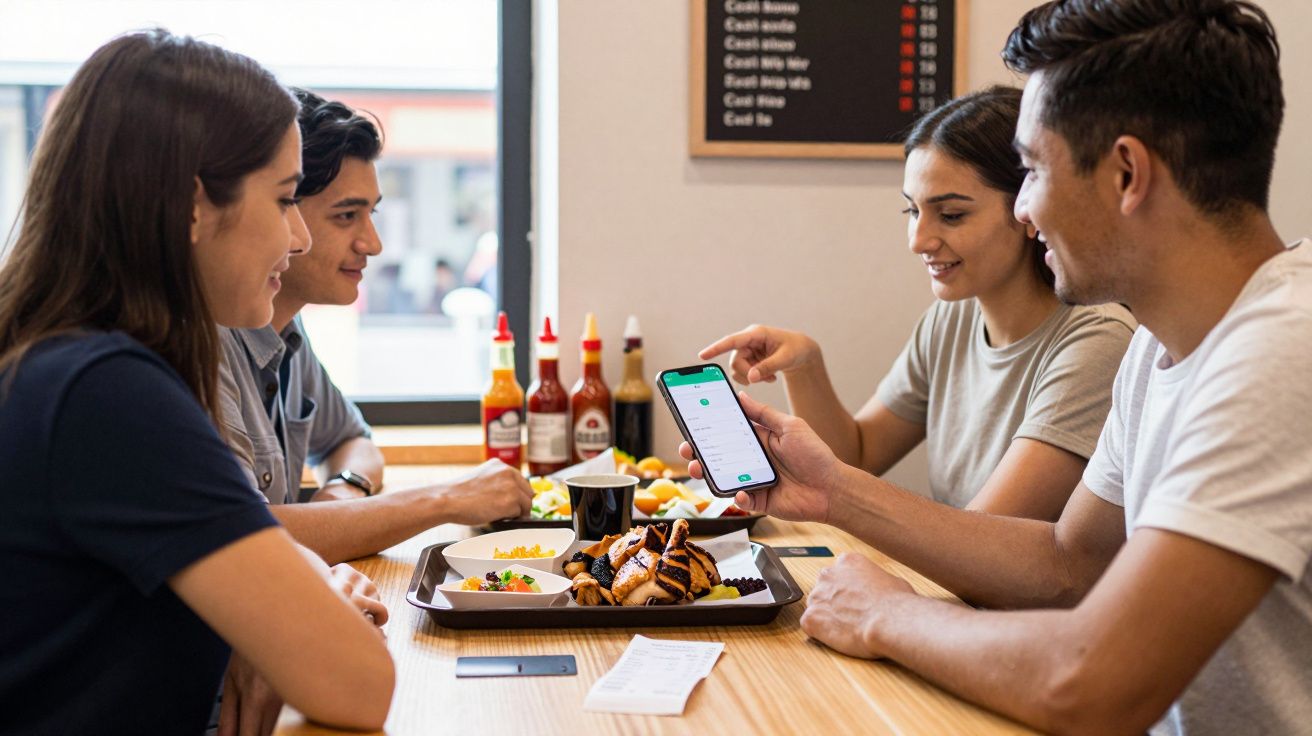
So when more people started buying them via delivery slots, quick-commerce apps, and click-and-collect, the fruit didn’t just enter a new channel - it entered a new kind of decision-making. You’re no longer choosing a punnet by sight in a shop; you’re choosing based on a product tile, an ETA, and a promise.
That’s where the strange “translation” tone creeps in. When product descriptions and customer replies are generated, templated, or machine-touched, they can become oddly generic. For raspberries, generic is not neutral. It can hide the only details you actually needed: variety, origin, ripeness cues, and how the retailer expects you to use them.
Why it suddenly matters (because raspberries punish vagueness)
With tinned tomatoes, vague copy is irritating. With raspberries, it costs you money.
A punnet can be:
- perfectly ripe but too soft for tomorrow’s lunchbox;
- firm enough for decoration but still sharp and under-sweet;
- fine on top, damp underneath, already fermenting at the seam.
In person, you’d spot the condensation, the crushed corner berries, the pale cores. Online, you’re relying on handling and information - and both are getting squeezed by speed, staffing, and automation.
People aren’t imagining it when they say raspberries “go off quicker now”. Often, the fruit is fine; the system around it has changed. Faster picking, longer consolidation, warmer doorsteps, and a delivery driver’s tote bag are all part of the new reality.
What’s driving the shift: speed, softness, and the last mile
A raspberry’s enemies are simple: time, heat, and pressure. Modern grocery is built around all three.
1. More movement after packing
Raspberries used to go: farm → depot → shop shelf → your hands. Now they can go: farm → depot → micro-fulfilment → rider hub → doorstep, with extra handling at each node.
Every transfer is a chance for:
- a punnet to tilt and crush berries on one side;
- cold-chain breaks that cause condensation (then mould);
- vibration that turns a few berries into juice, which then spreads.
2. Tighter margins mean less “buffer fruit”
Retailers used to accept a bit more waste on delicate berries. With costs up, there’s pressure to sell closer to the edge of the fruit’s life. That can mean you get raspberries that are excellent tonight and risky tomorrow.
If you’re buying for immediate eating, you win. If you’re buying to “have in”, you lose.
3. More generic product language
This is where the “certainly! please provide the text you'd like me to translate.” vibe is a tell. It’s not about literal translation; it’s about a style of customer interaction that feels automated and context-free.
For raspberries, context is the product. A useful description would tell you what to expect (firm vs soft, sweet vs sharp), but many listings default to stock phrases: “fresh”, “juicy”, “ideal for desserts”. That’s marketing, not guidance.
How to buy raspberries like the system is against you (because sometimes it is)
You don’t need to become a berry sommelier. You just need to shop as if raspberries are a live product, not a shelf-stable one.
In-store: 20 seconds that saves the punnet
- Flip it once, gently. If juice runs, the bottom layer is already collapsing.
- Look for dry, matte berries. Shine often means dampness, not freshness.
- Check the corners. Crushed berries start there; mould follows.
Online/delivery: what to do when you can’t inspect
- Buy for a purpose, not a mood. If it’s for baking, softer is fine. If it’s for snacking, you need firmness.
- Time it. Add raspberries to a delivery when you’ll be home to unpack immediately; don’t leave them on a warm step.
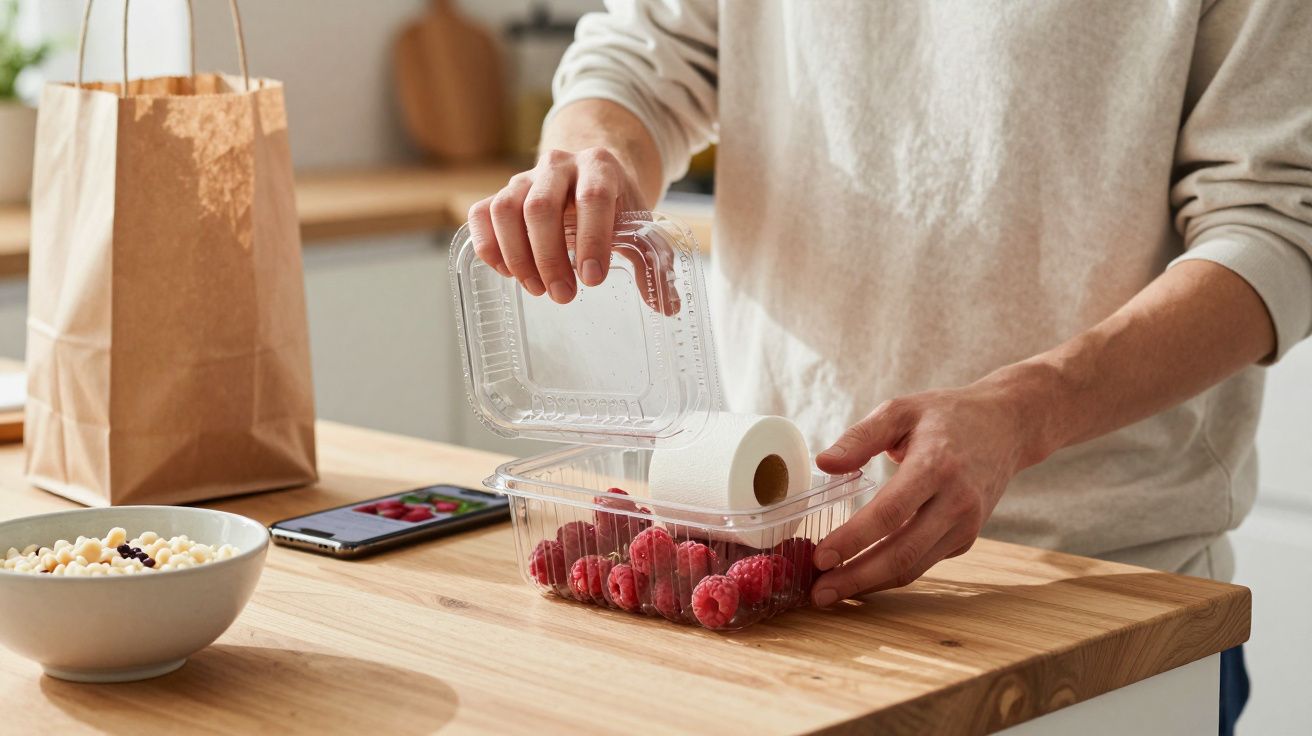
- Use the fridge correctly. Keep them dry, in their punnet, with a bit of kitchen roll underneath if there’s any moisture. Wash only when you’re about to eat.
People expect food shopping to “just work”. Raspberries still require a tiny bit of choreography.
The new rule: information quality is now part of freshness
Freshness used to be mostly agricultural. Now it’s also operational.
A retailer that can tell you origin, packing date, and variety - and that handles substitutions with care - will deliver better raspberries more often, even if the farms are similar. A retailer that hides behind generic copy and substitutes “berries” for “raspberries” because the system allows it will disappoint you, even if the fruit was perfect at packing.
The surprising bit is how quickly trust shifts. One soggy punnet and you stop buying them online. One good run and you start treating raspberries as a weekly staple again.
| What changed | What it means in practice | Why you feel it |
|---|---|---|
| More last‑mile handling | More knocks, warmer minutes, more condensation | Shorter “good window” at home |
| More just‑in‑time selling | Fruit closer to peak ripeness on arrival | Great tonight, risky later |
| More templated copy/support | Less detail on variety, firmness, storage | Harder to buy with confidence |
The future this unlocks (and the bit you can control)
There’s a version of this shift that’s genuinely better: better cold-chain tracking, clearer grading (snacking vs baking), smarter packing that vents moisture, and listings that describe what’s actually in the punnet rather than what we wish was in it.
Until then, raspberries are teaching a blunt lesson. Convenience isn’t free; it’s paid for in handling, information, and time. If you treat them like a same-day fruit, you’ll wonder what the fuss was about. If you treat them like “something to keep in”, you’ll keep getting stung.
FAQ:
- Why do my raspberries go mouldy so fast now? Often it’s moisture plus a small cold-chain break. Condensation inside the punnet speeds mould; keep them dry, unpack quickly, and avoid washing until eating.
- Are frozen raspberries a better buy? For smoothies, baking, and sauces, yes-frozen fruit skips the fragile “perfect for 24 hours” phase. For snacking, fresh still wins when handled well.
- Should I store raspberries in an airtight container? Not fully airtight. They need to stay dry and lightly ventilated; trapped moisture is the enemy.
- What’s the best way to use a soft punnet? Don’t fight it-cook it. Turn it into a compote, jammy topping, or blend and freeze into portions before it collapses.
- Does organic vs non-organic affect shelf life? Not reliably. Handling, ripeness at picking, and moisture matter more than the label when it comes to how long they last.



Comments (0)
No comments yet. Be the first to comment!
Leave a Comment