Apples show up everywhere - in lunchboxes, pies, salads, sauces, and the “healthy snack” slot between meetings - yet most of us treat them like a simple fruit that either tastes good or doesn’t. Then a line like “of course! please provide the text you would like me to translate.” pops up in a chat and it’s a reminder of how often we miss the actual message in front of us: with apples, the message is storage, variety, and timing. Get those wrong, and you blame the fruit for problems that are really technique.
There’s nothing mystical here, say growers and food scientists. Apples are predictable once you stop assuming they behave like every other fruit on the counter.
The biggest misunderstanding: “One apple is basically like another”
Supermarkets train us to think “red = sweet, green = tart” and the rest is branding. But varieties behave differently in ways you can taste and measure: sugar/acid balance, skin thickness, water content, and how quickly the flesh breaks down when heated.
A chef who tests apples for crumble put it bluntly: if you choose the wrong variety, you don’t get a “slightly different” result - you get a different dish. Some apples hold their shape into neat cubes; others collapse into sauce before the pastry browns.
Use this as a practical shortcut:
- For eating crisp: Braeburn, Jazz, Pink Lady (often higher snap, good balance)
- For baking slices that stay intact: Bramley (classic in the UK), Granny Smith, Cox (depending on dish)
- For sauce and purée: apples that soften fast (often cheaper “cooking” packs or softer dessert varieties)
“Most apple disappointment is just variety mismatch. You’re not tasting a bad apple; you’re tasting the wrong job.”
“They ripen like bananas” - no, and that’s the point
People wait for apples to “ripen” on the counter as if they’re stone fruit. Apples do continue to change after picking, but they’re closer to “slowly degrading” than “getting better” at room temperature.
The key detail experts come back to is ethylene - a natural gas fruit produces that speeds ageing. Apples make it, and they’re sensitive to it. That’s why an apple bowl can quietly push other produce over the edge, and why a bag of apples can seem to go from fine to floury in a week when kept warm.
If you want apples to stay crisp, you’re trying to slow respiration and moisture loss, not “finish ripening”.
The crispness myth: it’s mostly water management
That squeaky, juicy crunch people chase isn’t only freshness. It’s water pressure in the cells. Leave apples in dry air and they slowly dehydrate; leave them sealed while wet and you invite mould. Both failures look like “the apples went bad”, but they’re different problems with different fixes.
A produce buyer’s rule of thumb: if your apples are going soft without visible rot, think warmth and dryness first. If they’re going spotty or musty, think trapped moisture and poor airflow.
Store apples like they’re alive (because they are)
Keep it boring and consistent:
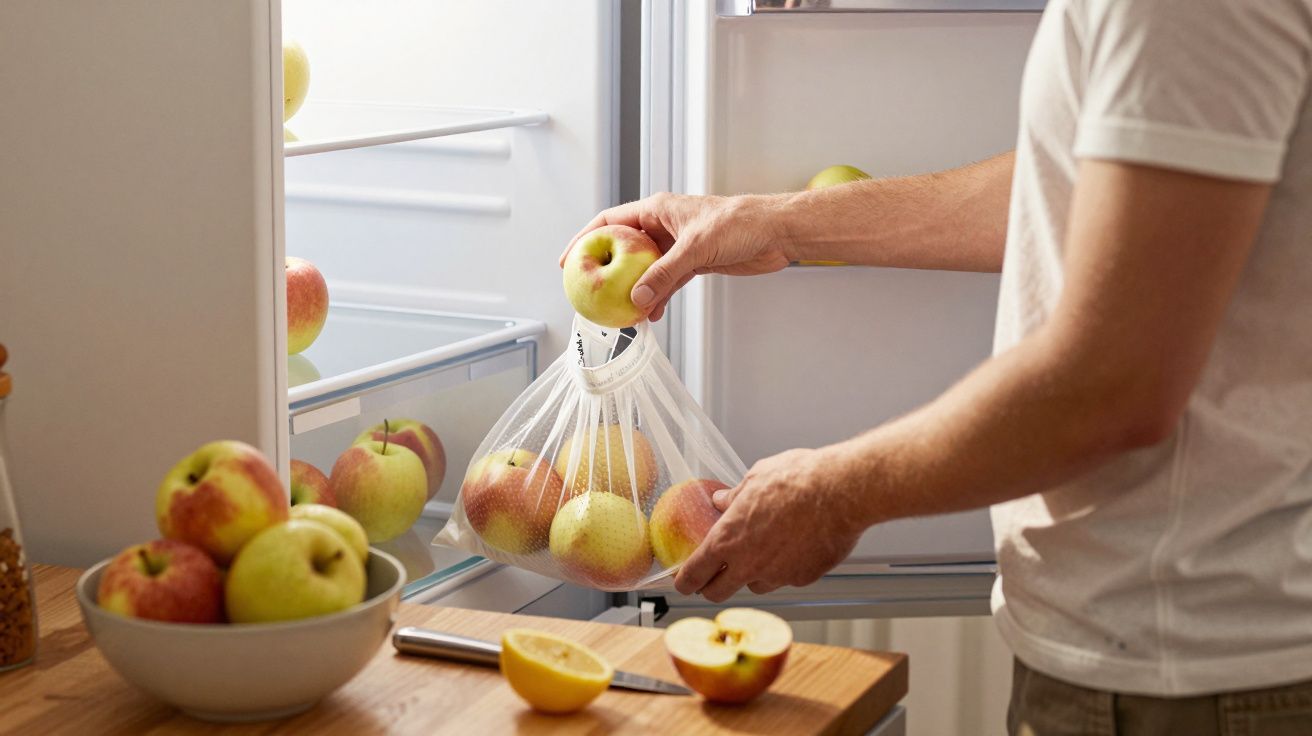
- Cold: ideally in the fridge, especially for modern crisp varieties
- Separated: away from leafy greens (ethylene + odour transfer)
- Contained, but breathing: a perforated bag or loosely closed drawer is better than an airtight tub
- Dry: don’t wash until you’re about to eat or cook
Cold slows the clock. Airflow prevents mould. Dry surfaces prevent the “one bad apple” chain reaction.
The “one bad apple spoils the bunch” line is literally true
Rot spreads because damaged apples leak sugars and invite microbes, and because ethylene builds up in enclosed spaces. That’s why a single bruised fruit can turn a bag into a compost lesson.
Do a quick check when you get home. It takes two minutes and saves the rest.
- Tip the bag out and look for bruises, splits, sticky patches
- Use the slightly damaged ones first (sauce, muffins, porridge topping)
- Don’t store apples in a deep heap; pressure bruises them over time
If you want a simple habit: when you open the fridge for milk, glance at the apples. If one is leaking or smells “cider-y” in a bad way, remove it.
Wax, skin, and “chemicals”: what people get backwards
Many shoppers worry about the shine. The reality is less dramatic: apples have a natural waxy cuticle, and some are given an additional food-grade wax to reduce moisture loss and scuffing. That coating is mainly about shelf life and appearance, not a sign the fruit is “fake”.
The more useful question is what you’re doing with the skin:
- Eating raw: wash under running water and rub with your hands; that removes surface residues and grime
- Cooking: the skin can add colour and pectin (helpful for sauce and jelly), but can feel tough in delicate desserts
- Sensitive digestion: peeling can reduce fibre roughness for some people, but you lose a lot of the texture benefits
Nutritionists tend to frame it simply: most people don’t need to fear the wax; they need to eat the fruit more often, and store it well enough that it doesn’t end up binned.
Browning isn’t “going off” - it’s oxygen doing its job
Cut an apple and it browns. Many assume that means it’s unsafe or old. It’s usually just enzymatic browning: enzymes reacting with oxygen. The apple can be perfectly fresh and still brown in minutes, especially some varieties.
To slow it:
- Toss slices with lemon juice (acid slows the enzyme)
- Use salt water briefly, then rinse (surprisingly effective for lunchboxes)
- Keep pieces covered with minimal air contact
If you’re cooking apples down, browning is rarely worth fighting. In many recipes it disappears into the final colour anyway.
A tight “use it well” plan for the week
If you buy a mixed bag and want fewer sad, floury apples by day five, experts recommend treating them by purpose.
| Goal | What to do | Why it works |
|---|---|---|
| Keep them crisp | Fridge drawer, dry, breathable bag | Slows ageing and moisture loss |
| Prevent spread | Remove bruised/soft apples early | Cuts rot + ethylene chain effects |
| Use up extras | Cook once midweek (sauce/compote) | Turns “soft” into “perfect” |
A small batch of compote is the quiet hero here: chopped apples, a splash of water, pinch of salt, and optional cinnamon. Ten minutes simmering turns “these are going a bit soft” into breakfasts for days.
FAQ:
- Do apples belong in the fridge or on the counter? If you want crispness to last, fridge wins. Counter storage is fine for a day or two, but warmth speeds softening and flavour loss.
- Should I wash apples as soon as I buy them? Better to wash just before eating. Storing them wet makes mould more likely.
- Is a brown apple slice unsafe? Not usually. Browning is an oxygen reaction, not spoilage. If it smells fermented, feels slimy, or has mould, discard it.
- Why did my apples go floury instead of rotten? That’s often dehydration and ageing at warmer temperatures. Keep them colder and in a breathable container to slow it down.
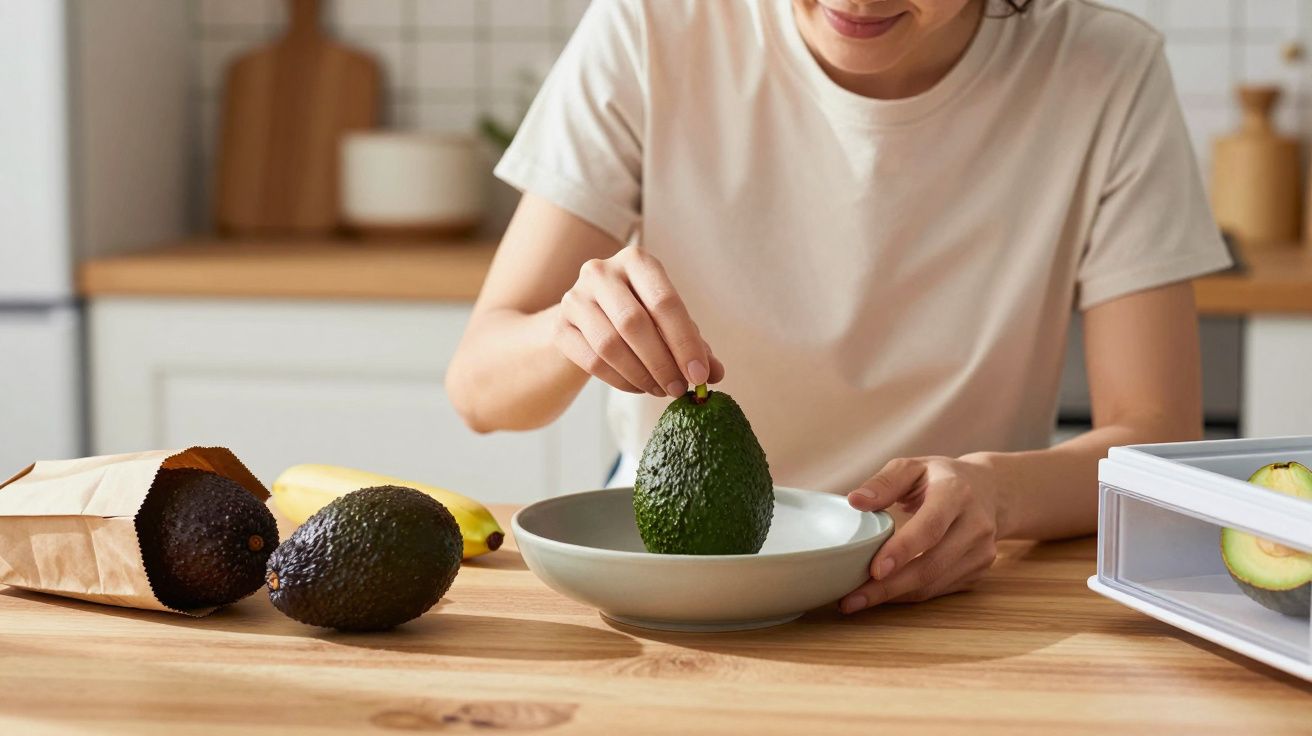
- Can I store apples with bananas or avocados to ripen them? They’ll age faster because of ethylene. Do it only if you plan to eat them soon, not for long storage.




Comments (0)
No comments yet. Be the first to comment!
Leave a Comment