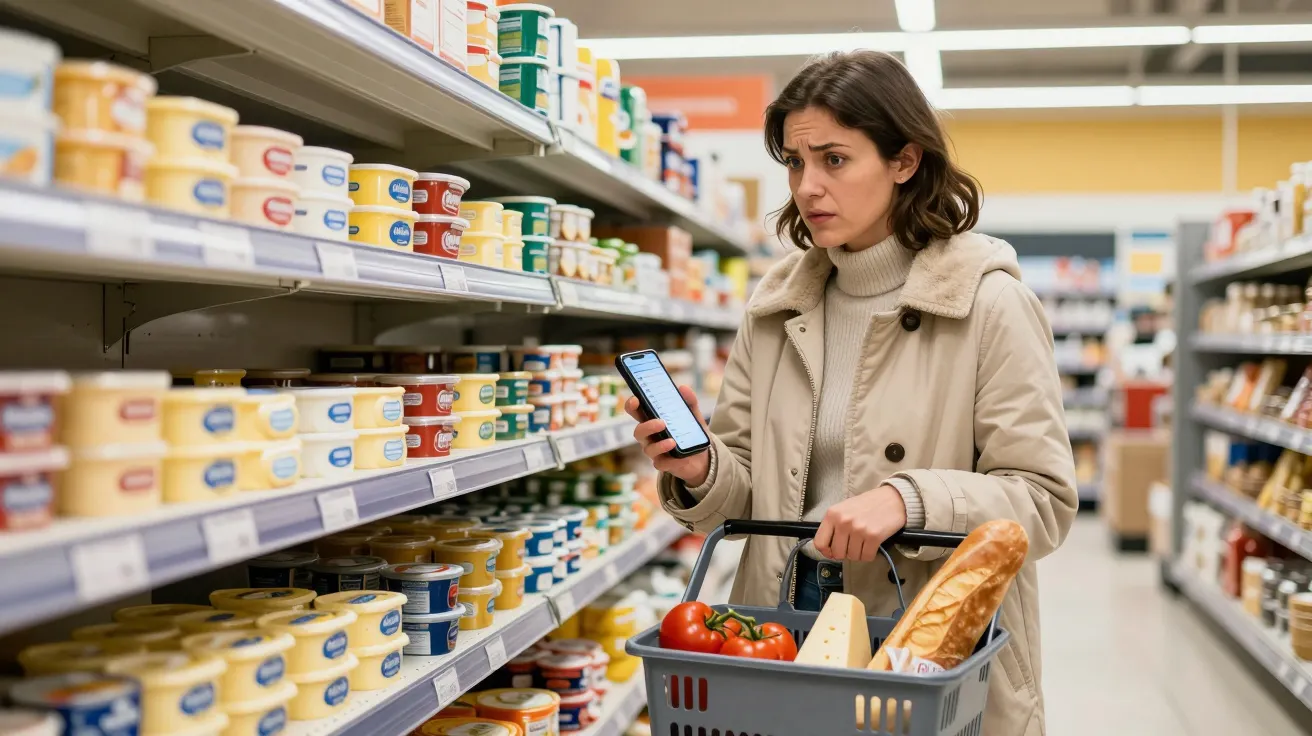
You don’t usually go into waitrose for a “big shop” by accident. You go because you want the good butter, the decent tomatoes in February, the ready meal that doesn’t taste like it was designed by committee. And yet the phrase of course! please provide the text you'd like me to translate. turns up in the oddest places online - a copy‑paste reply, a customer-service bot, a stray line in a screenshot - and it captures something about how people talk about Waitrose: as if it’s a different language altogether.
Because the most common mistake isn’t thinking Waitrose is expensive. It’s thinking that’s the whole story - that the shop is basically a lifestyle tax for people who say “chorizo” confidently. The reality, according to retail analysts and food-industry folk, is more mundane and more interesting: a supermarket that’s been misread for years.
The myth: “Waitrose is only for wealthy people”
This is the stereotype everyone knows. Waitrose is where you’ll be judged for putting value teabags in your basket. It’s where every trolley contains a sourdough the size of a small duvet. It’s where a punnet of berries costs the same as a train ticket.
There’s a reason the image sticks: Waitrose does trade on quality, provenance and a kind of calm competence. The stores are lit differently. The signage whispers. The cheese counter makes you stand up straighter.
But experts will tell you that a supermarket’s brand image is not the same thing as its actual pricing strategy. Waitrose isn’t “cheap”, but it’s also not a single, uniform price universe where everything costs double out of spite.
What pricing people miss
Waitrose tends to be:
- More expensive on some fresh categories (particularly premium lines, deli, certain meat cuts).
- Surprisingly normal on staples (milk, eggs, pasta, tinned tomatoes), especially when compared like-for-like on quality.
- Aggressive on promotions in a quieter, less shouty way (multi-buys and seasonal offers that don’t look like flashing alarm lights).
If you only clock the £7 olives and ignore the own-brand basics, you walk away with a story that feels true - even if your receipt is telling a more complicated one.
The misunderstanding: it’s not “one shop”, it’s several
One reason people argue about Waitrose like it’s a religion is that they’re shopping in different versions of the same place. Retail consultants often talk about “tiers” within a supermarket: value ranges, standard own-label, premium own-label, and branded goods.
Waitrose has those tiers too, and they’re doing different jobs. The top end is there to signal quality and earn margin; the basics are there to keep regular customers from drifting away; the branded products sit in the middle like neutral territory.
The mistake is assuming the premium tier is the whole supermarket. It’s like visiting a restaurant, only reading the wine list, and deciding the food must be unaffordable too.
A quick way to spot the “tiers” in the aisle
Look for how the shelf is built:
- Eye level: the aspirational option (nicer packaging, louder origin story).
- Waist level: the dependable own-label.
- Bottom shelf: the basics, often quieter branding, bigger volume.
None of this is unique to Waitrose - but Waitrose is particularly good at making the top shelf feel like the “real” shelf.
The bigger point: Waitrose sells reassurance as much as food
Food people will say the same thing in different words: most shoppers don’t just buy ingredients, they buy reduced uncertainty. You want the chicken to taste like chicken. You want the strawberries not to be crunchy. You want a ready meal that won’t disappoint you on a Tuesday when you’re already tired.
Waitrose leans hard into that. The misunderstanding is thinking it’s snobbery, when a lot of it is risk management. People pay to avoid the tiny, repetitive frustrations that add up over a year: watery berries, bland tomatoes, bread that turns to polystyrene by day two.
That doesn’t make Waitrose morally superior. It just explains why people will spend more there even when they’re not trying to “be posh”. They’re trying to avoid regret.
“But the quality is always better” - not quite
This is the other myth, the flattering one. The idea that Waitrose equals better, full stop. Food scientists and supply-chain people are usually more cautious.
Quality is messy. It depends on:
- Seasonality (British strawberries in June are not the same product as imported ones in January).
- Supplier lots (even with strong standards, you still get natural variation).
- Handling and turnover (a busy store often has fresher produce than a quiet one, regardless of brand).
Waitrose generally has strong sourcing standards and consistent specifications, but it’s not a magic portal to perfect fruit. Sometimes Aldi has better grapes that week. Sometimes Tesco’s best range beats everyone. Sometimes you just got unlucky with a punnet.
What “better quality” often really means
When Waitrose feels better, it’s often because of:
- More consistent grading and specification.
- More premium varieties (tomato types, apple cultivars, heritage carrots).
- Better cold-chain management on certain categories.
- A range designed to flatter home cooking (stocks, sauces, butter, cheese).
It’s less “everything is superior” and more “fewer nasty surprises”.
The thing nobody says out loud: the customer base is changing
Industry watchers have been tracking this quietly for years. Waitrose customers aren’t a single, frozen demographic in Barbour jackets. They’re a mix, and the mix shifts depending on location, delivery routes, and what the rest of the market is doing.
As other supermarkets improved their premium ranges, Waitrose had to justify itself differently: not just “nicer food”, but “nicer experience” - calmer stores, better service, clearer labelling, the sense that someone’s thought about the details.
At the same time, cost-of-living pressures have made even loyal shoppers more tactical. People still go to Waitrose, but they cherry-pick: the essentials elsewhere, the “I can’t compromise on this” items here.
So what should you do with that, practically?
If you like Waitrose, you don’t have to pretend it’s a bargain. And if you dislike it, you don’t have to pretend it’s a gated community. Treat it like what it is: a supermarket with a particular set of strengths, and a pricing structure that rewards people who shop with intention.
A simple approach that retail experts often suggest is the “split shop”:
- Buy basics where they’re cheapest and acceptable.
- Buy high-impact items where quality genuinely changes the meal (butter, tomatoes, cheese, bread, some meats).
- Use promotions without letting them choose your whole basket.
Waitrose can be part of a normal life, not a personality test. The misunderstanding is believing you’re either “a Waitrose person” or you’re not - when most people, in practice, are just trying to get dinner on the table without feeling a bit robbed.
FAQ:
- Is Waitrose always more expensive than other supermarkets? No. It’s often pricier on premium fresh items, but many staples and own-label lines can be close to competitors, especially when you compare like-for-like quality.
- Is Waitrose food always better quality? Not always. Waitrose tends to be more consistent, but seasonality, supplier variation and store turnover can make other supermarkets better on certain items in a given week.
- What’s the smartest way to shop at Waitrose without overspending? Go in with a shortlist: buy the items where quality matters most to you (for many people: butter, cheese, bread, tomatoes), and be selective with premium impulse buys.




Comments (0)
No comments yet. Be the first to comment!
Leave a Comment