Water bills rarely jump because you suddenly “forgot how to shower”. They jump because water usage rises in a perfectly normal way - a lodger moves in, the garden gets watered, the washing machine runs more - and the water waste caused by leaks that once looked harmless starts charging rent.
The maddening part is how quiet it is. A drip that felt like background noise in winter becomes a steady, paid-for stream when the house is busier, warmer, and using more water in the first place.
The “minor leak” that only gets expensive when life gets louder
A small leak can sit in a home for months without triggering panic. Your direct debit stays roughly the same, the bathroom looks fine, and the only evidence is a faint hiss you only notice when the house is asleep.
Then usage increases for ordinary reasons: school holidays, guests, a new baby, a heatwave, a switch to more laundry, a newly planted garden. The baseline goes up, so you check the bill more closely, and suddenly the leak is no longer “minor” - it’s simply been hidden inside a quieter month.
The leak didn’t change. The context did.
Why higher water usage exposes what was already there
Think of your bill like a soundtrack. When the volume is low, you don’t notice the faint crackle. When you turn it up, the crackle is still the same size - but now you’re listening properly, because the whole thing costs more.
Three things tend to happen when a household gets busier:
- More hours of flow: extra showers, dishwashing, toilets flushing, watering outside.
- Less “quiet time” to spot issues: fewer long gaps where everything is off, so a constant trickle doesn’t stand out.
- More pressure on weak parts: tap washers, toilet valves, and old flexi-hoses fail gradually, then tip into a steady leak.
That’s why a leak can feel like it “started” in the same month your bill jumped, even when it’s been simmering for ages.
The most common leak patterns (and how they hide)
Some leaks announce themselves with stains and swelling. The sneaky ones are the ones that keep disappearing into drains, soil, or the back of cupboards.
The toilet that refills when nobody’s in it
A toilet with a worn inlet valve or a mis-seated flapper can “sip” all day. In a quiet house you might hear it once, shrug, and move on. In a busy house, it blends into the normal chorus of flushes.
A quick tell is the cycle: you flush, it fills, then ten minutes later you hear a brief refill again. That second refill is your money walking out.
The tap that only drips at night
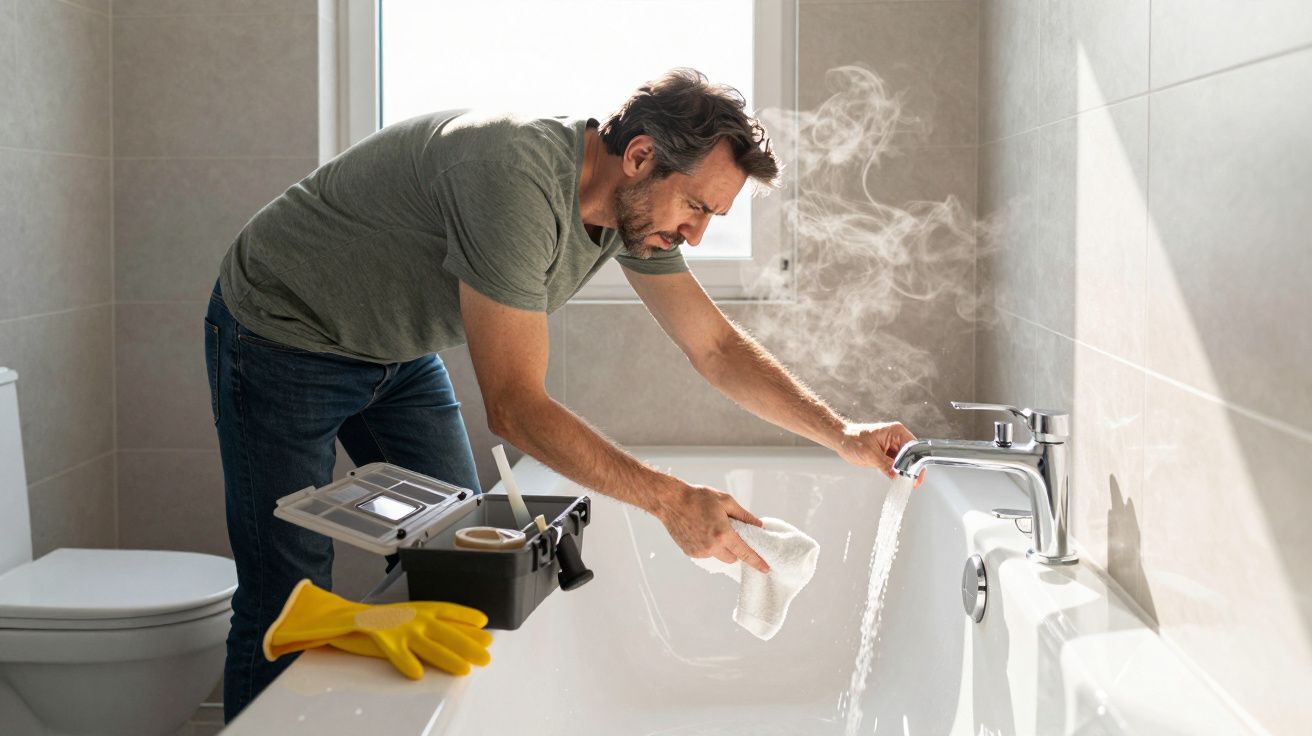
Hot days and heavier use can expand and contract seals, turning an occasional drip into a steady one. Because the flow is tiny, you ignore it - until the rest of the household starts using more and you finally look at the numbers.
The outside tap, hose, or irrigation line
Summer is when “small” outdoor leaks become serious. A loose hose connection or a pinhole in a garden line can run unnoticed because it doesn’t puddle indoors; it just vanishes into the border like it belongs there.
If your water usage rises seasonally, this is the first place to look.
A calm way to catch a leak without guessing
You don’t need to rip up floorboards on suspicion. You need one clean test that turns the situation into a yes-or-no.
The 15-minute “everything off” check
- Pick a time when no one will use water (late evening works).
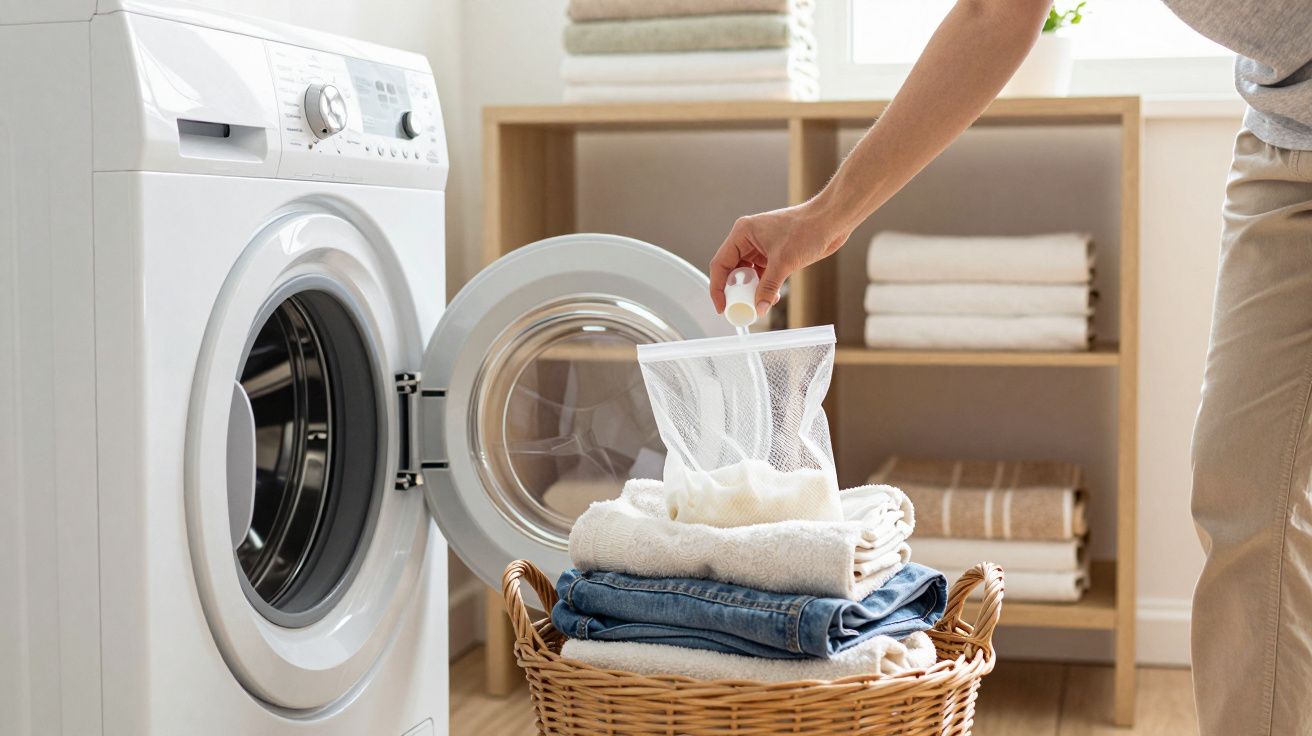
- Turn off anything that draws water automatically (dishwasher, washing machine, irrigation timers).
- Don’t flush, don’t run taps, don’t top up the kettle.
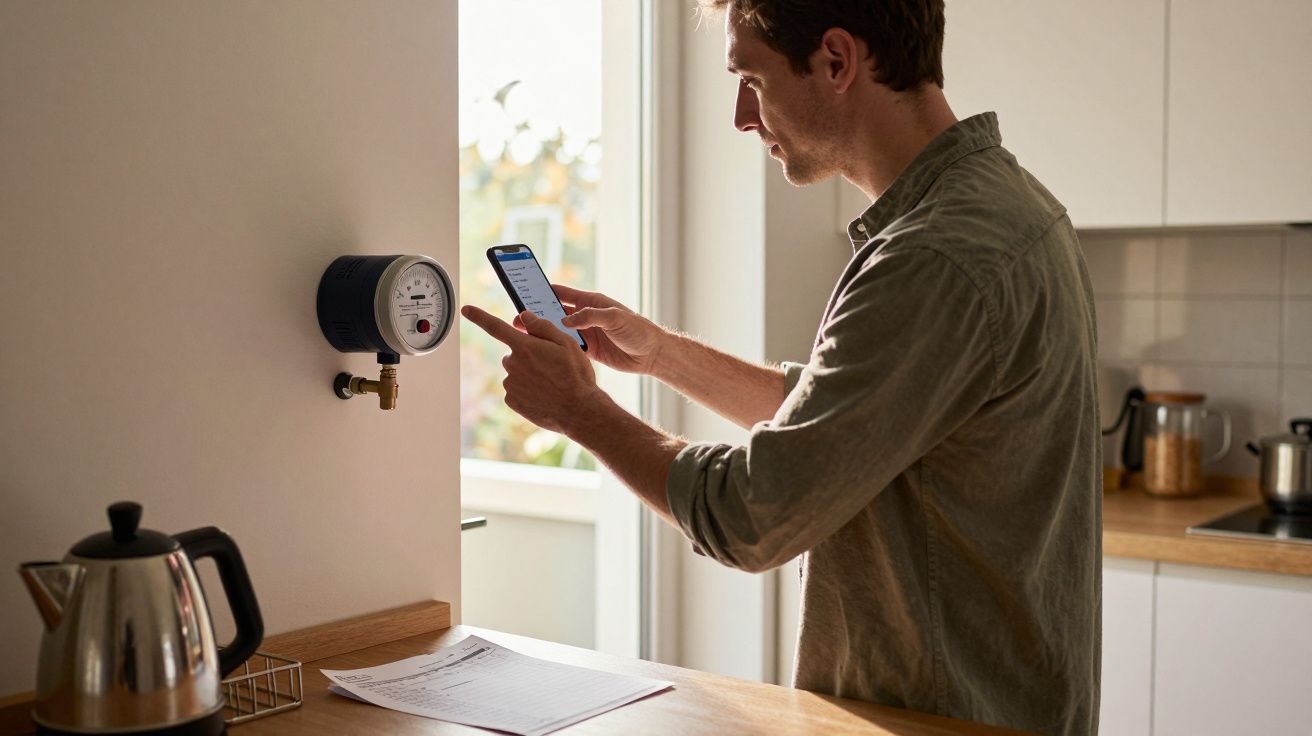
- Check your water meter reading, then wait 15 minutes.
- Check again.
If the reading moves, you likely have a leak somewhere - not a lifestyle problem. That moment is oddly relieving, because it turns guilt into a practical task.
If you don’t have a meter, some suppliers can help you set up monitoring, and many newer meters support more detailed usage data that makes patterns easier to see.
Why leaks feel “minor” right up until they aren’t
A drip is psychologically easy to tolerate because it doesn’t demand attention. It’s not dramatic. It doesn’t flood. It’s just a soft, ongoing loss that your brain files under “later”.
But bills don’t care about drama. They care about duration.
A small, constant leak behaves like a subscription you didn’t sign up for. When your normal water usage increases, it’s not that the leak suddenly matters - it’s that your household’s margin disappears, and the leak is exposed as a fixed cost you’ve been paying quietly.
What to prioritise first (fast wins before you call anyone)
Start with the places where a tiny fault can run continuously.
- Toilets: listen for refilling, add a few drops of food colouring to the cistern and see if it creeps into the bowl without flushing.
- Taps and shower valves: check for slow drips and dampness around the base and under the basin.
- Appliances: look behind washing machines and dishwashers for crusty limescale trails or damp.
- Outside: inspect hose connectors, outdoor taps, and any irrigation lines, especially after hot days.
If your meter test shows movement and you can’t find the source, that’s the point to ring your water company or a plumber. The cost of investigation is often lower than weeks of silent loss.
The quiet shift: from “it’s probably fine” to “I can prove it”
Once your water usage goes up, it’s tempting to blame yourself and accept the higher bill as the new normal. The better move is to treat it like a signal. Increased household activity often doesn’t create a leak - it simply turns the lights on bright enough for you to finally see it.
If the numbers are rising and your habits haven’t changed in proportion, assume nothing. Test, confirm, then fix the small thing before it becomes the monthly charge you stop questioning.



Comments (0)
No comments yet. Be the first to comment!
Leave a Comment