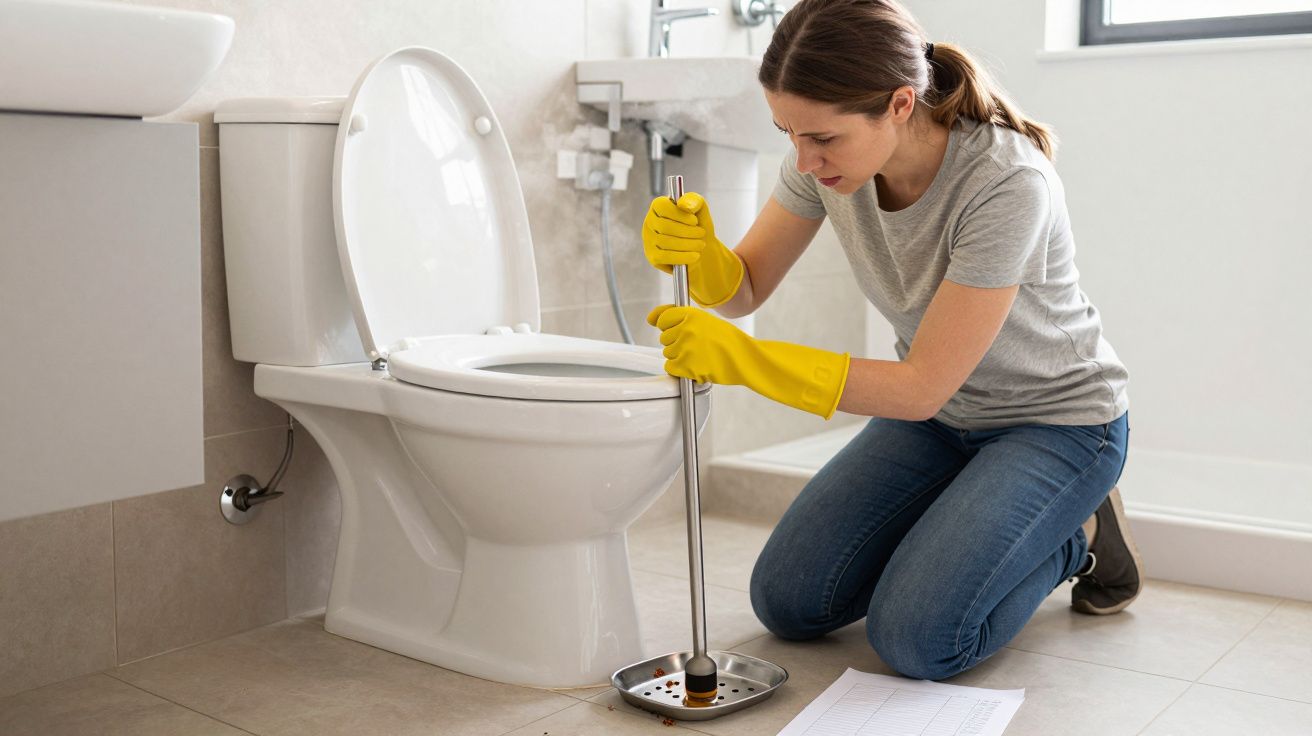
Blocked toilets are rarely a one-and-done problem, especially in older UK homes where pipe geometry has been “improved” over decades with bends, reducers and odd joins. You clear the pan, everything flushes fine, and then-weeks later-the water rises again with no obvious warning. That repeat pattern matters because it usually points to a partial restriction in the line, not just a one-off excess of paper.
Most recurring blockages are slow builders. A small snag catches fibres, then soap scum and limescale narrow the bore, and the next heavy-use day tips it over the edge. It feels random, but the plumbing has been keeping score.
Why “it flushed fine afterwards” doesn’t mean it’s solved
After a clear-out, the toilet will often behave normally for a while. That’s because you’ve removed the immediate plug, but not the conditions that made it stick in the first place. Think of it like brushing leaves off a drain while the grate is still bent.
A returning blockage usually means the pipe is still catching material somewhere downstream. The system is flowing, but not freely.
A full blockage is dramatic; a partial restriction is sneaky. With a partial restriction, water still gets away, just more slowly-and it only shows up when flow and solids arrive together.
The quiet mechanics: how pipe geometry makes clogs come back
A modern toilet is designed to shift waste with a short, powerful surge. If the pipe run after the toilet is smooth and correctly graded, that surge carries everything away. If the pipe geometry is awkward, the surge breaks up, loses speed, and leaves solids behind.
Common geometry issues that create “repeat” blockages include:
- Too many tight bends (especially right after the pan), which slow the flow and create a permanent snag point.
- A flat or back-falling section where waste sits instead of travelling; it may clear on one flush and return on the next.
- A reducer fitting (pipe narrows) installed during a repair, creating a lip that catches paper.
- Misaligned joints where one pipe sits slightly proud inside another, forming a shelf.
- Long horizontal runs to a stack, common in extensions or loft conversions, where the flush can’t keep momentum.
Older cast iron soil pipes can make this worse. Corrosion and internal scaling reduce the effective diameter, so what once flowed easily now needs a perfect flush every time.
The usual “seed” for a blockage that returns weeks later
When people hear “recurring blockage”, they imagine something big stuck in the pipe. Sometimes that’s true, but more often it starts with something small that should never have been flushed, plus a pipe that’s already a bit unforgiving.
The typical culprits are:
- “Flushable” wipes (they aren’t, in practice)
- Sanitary products or applicators
- Nappies, cotton buds, dental floss
- Excess paper used to compensate for a weak flush
- Cat litter or kitchen towel from upstairs bathrooms
Those items don’t always stop the line immediately. They lodge, fray, and act like a net, turning normal waste into the thing that finally blocks it.
If the toilet blocks, clears, then blocks again, assume there’s still a catcher in the system until proven otherwise.
The signs you missed: what a slow restriction looks like
The trouble with returning blockages is that the “warning lights” are subtle, especially if you only use the toilet a few times a day.
Watch for:
- A slightly higher water level in the pan after flushing, even if it eventually drops
- Lazy swirl rather than a decisive pull-away
- Gurgling from the toilet or nearby bath/shower when you flush
- Bubbles rising in the pan after a flush
- Intermittent slow drains in the same bathroom (sink, shower) on heavy-use days
If the toilet is the only fixture affected, the restriction is often close to the WC outlet. If multiple fixtures are sluggish, it may be further along the branch or near the main soil stack.
What to do at home (and what tends to make it worse)
You can often learn a lot without dismantling anything. The goal is to work out whether you’re dealing with a local toilet trap issue or a restriction in the soil pipe run.
A quick, sensible check list
- Stop flushing “to test it” if the water is rising; repeated attempts can tip a partial restriction into a full overflow.
- Try a proper plunger (toilet/bellows type), keeping the rubber sealed and working in short, firm strokes.
- Use a toilet auger if you have one, especially if the issue is frequent; it’s safer and more targeted than chemicals.
- Check other drains in the property. Flush once, then run the bath tap: any backing-up or gurgling points to a broader restriction.
- Note timing: problems after showers or laundry can hint at shared pipework getting overwhelmed.
What to avoid
- Caustic drain cleaners: they often don’t dissolve the real cause, can damage older pipework, and make a plumber’s job nastier if you end up calling one.
- Wire coat hangers: they can scratch pans, punch soft waste deeper, and damage the toilet’s internal trap.
- Endless hot water: it can soften fats, but it won’t shift wipes, limescale shelves, or a bad joint.
When it’s time to stop guessing and get the pipe checked
A professional doesn’t just “clear it harder”. They try to confirm why it returns, which usually means looking, not hoping.
A plumber will typically choose from:
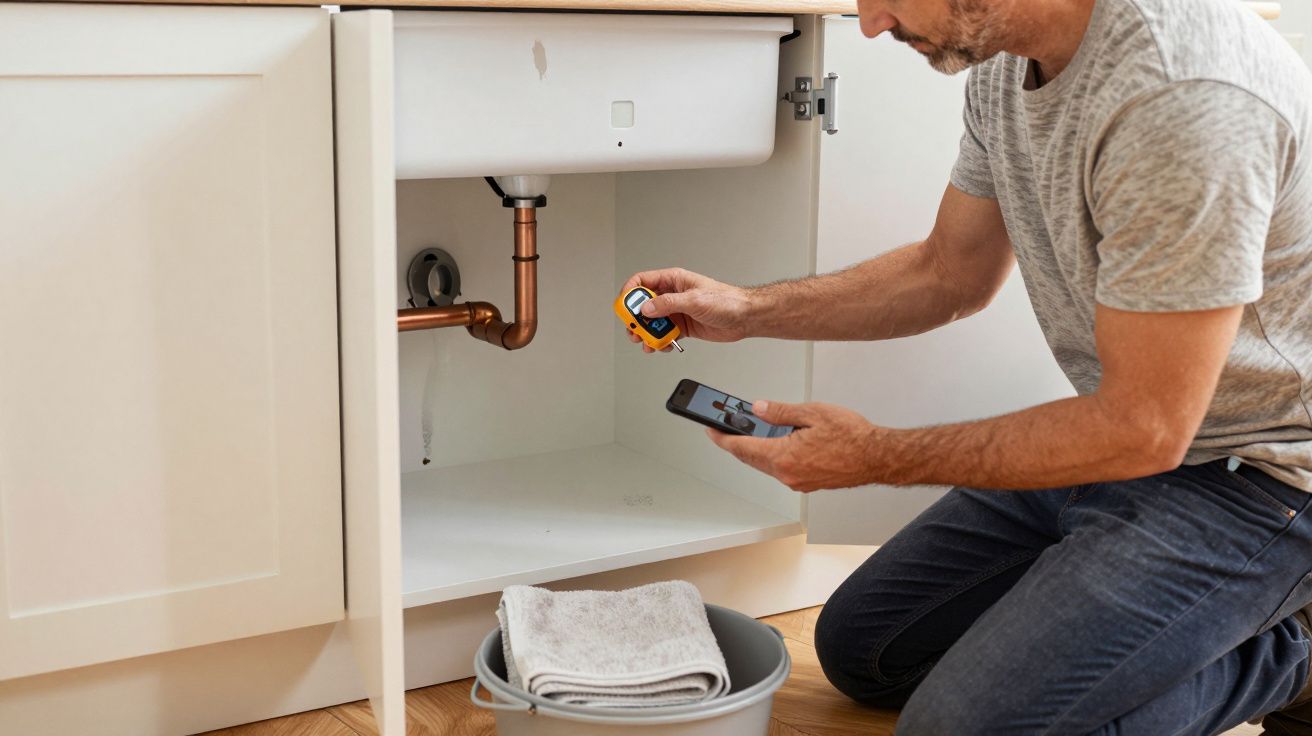
- CCTV drain survey to spot a lip, root ingress, scale build-up or a displaced joint
- Rodding to break through and retrieve snagged material
- Jetting to scour the pipe walls where scale and sludge are narrowing the bore
- Local repair (replace a short section) if the geometry is wrong or a joint has slipped
Call someone sooner rather than later if you notice:
- Blockages that recur within a month
- Any sewage smell indoors
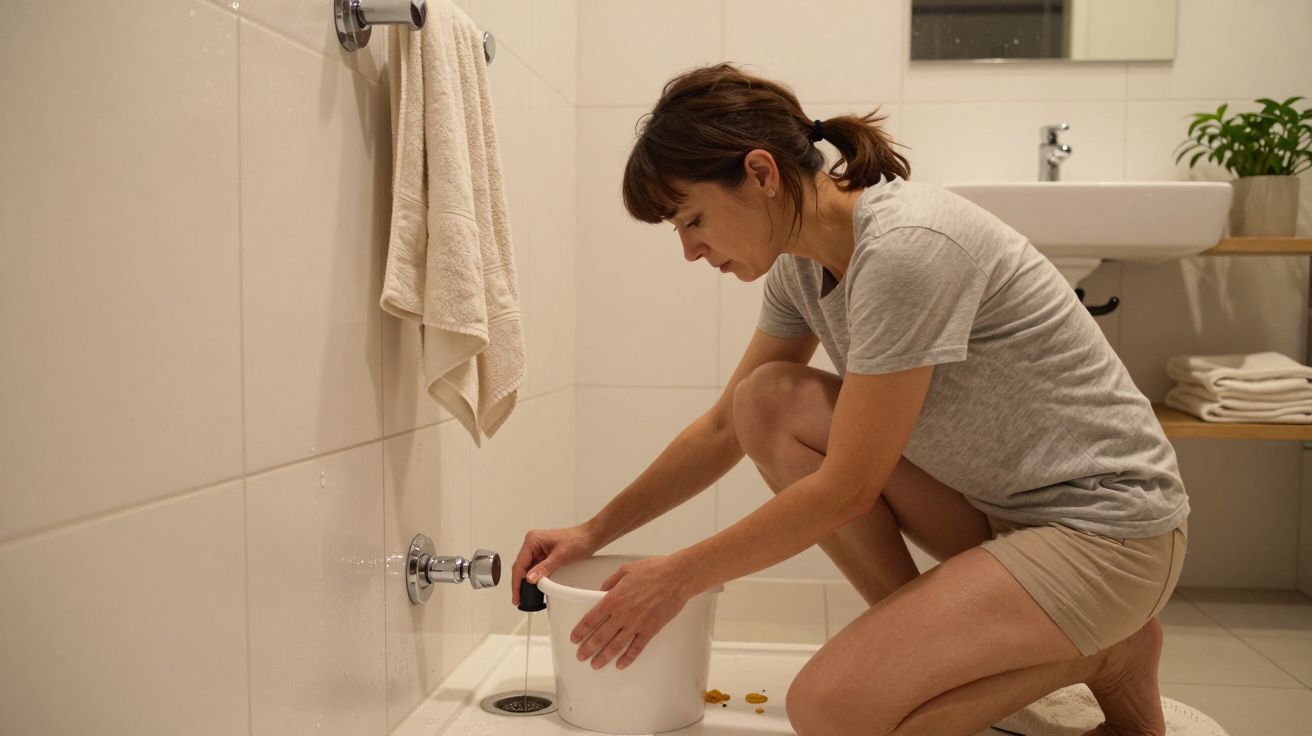
- Water backing up into a shower tray or bath
- A history of “it’s always been like that” since an extension or bathroom refit
Those are strong clues that the pipe run, fall, or connections are part of the story.
How to prevent the slow build that brings it back
Prevention isn’t glamorous, but it’s cheaper than emergency call-outs and it reduces the chance that a partial restriction becomes a full flood.
Practical habits that actually help:
- Flush wipes, sanitary products and cotton buds in the bin, no exceptions.
- If your toilet is prone to blocking, use less paper per flush and flush mid-way if needed.
- In hard-water areas, consider periodic descaling (a plumber can advise what’s safe for your pipe material).
- After any building work, keep an eye out for early changes in flushing behaviour; that’s when bad geometry shows itself.
A toilet that “usually copes” is often a sign the system is running close to its limit. A small change in use can push it over.
The bottom line
When blocked toilets return after clearing, the most common explanation is a partial restriction that your flush can sometimes overpower. The fix is rarely more force; it’s finding the snag point-often created by pipe geometry-and removing or correcting it so waste can pass cleanly every time.

Comments (0)
No comments yet. Be the first to comment!
Leave a Comment