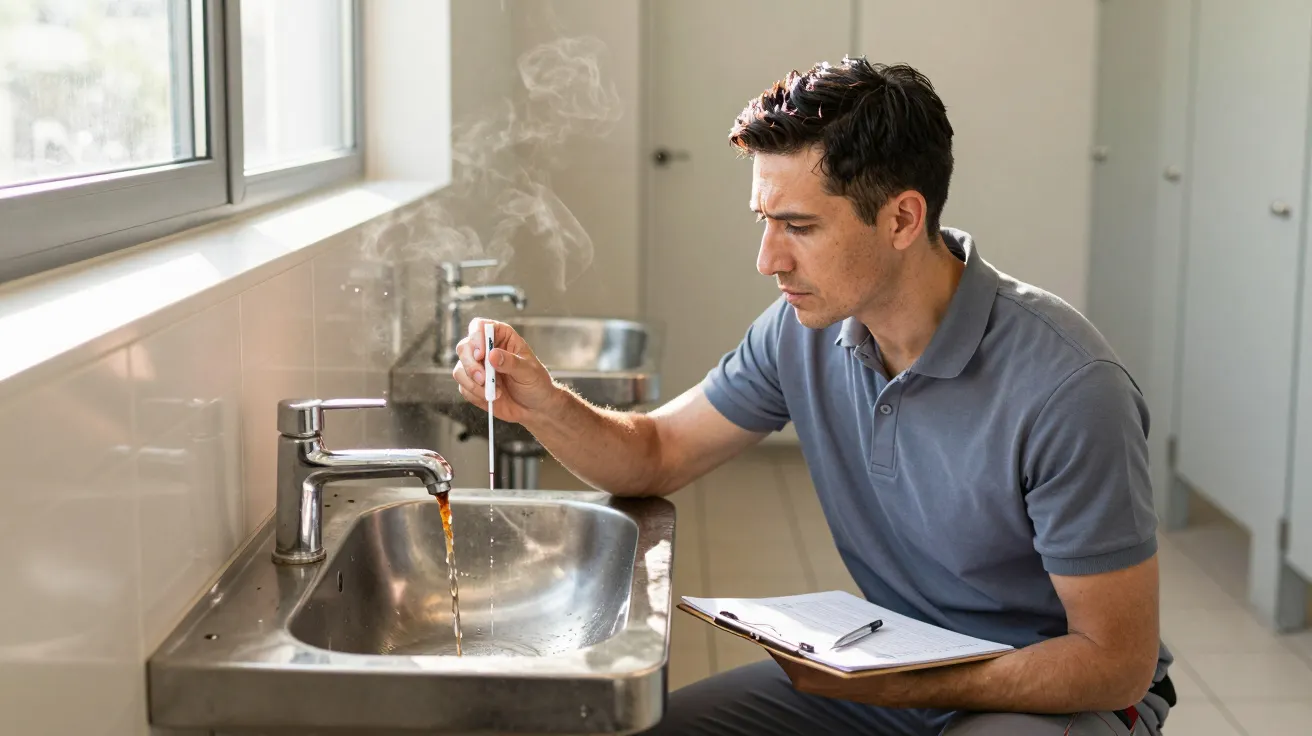
Most people only notice plumbing when it fails, but commercial plumbing systems are quietly working in the background of offices, hotels, schools, and retail units every minute of the day. The twist is that water usage patterns in these buildings rarely stay “normal” for long-think weekend shutdowns, seasonal footfall, hybrid working, refurbishments-and that stop‑start rhythm creates risks that don’t show up in a quick visual check. If you manage a building, those hidden risks can mean leaks, poor water quality, angry tenants, and costs that land at the worst possible time.
I learned this the boring way: a Monday morning call about “a smell” on the third floor, a handwash basin that ran rusty for a few seconds, and a plant room that sounded like it was clearing its throat. Nothing dramatic, no burst pipe, just a building telling on itself in small clues. And small clues are exactly how expensive plumbing problems begin.
The quiet enemy: when “normal use” stops being normal
Commercial buildings are full of micro-routines: the lunchtime rush, the cleaners’ rounds, the Monday restart, the Friday fade-out. When those routines shift-even slightly-the water in parts of the system can slow down, sit still, warm up, or take unusual routes. That’s when issues like stagnation, corrosion, scale, and bacterial growth become more likely.
Unlike a home, you’re not dealing with one kitchen tap and a shower. You’re dealing with long pipe runs, little-used outlets, dead legs from old layouts, boosted pressures, storage tanks, and mixed temperatures across multiple floors. The system can look fine and still behave badly.
Think of your building like a set of lungs with unused airways. The bits you don’t “breathe” into are where the trouble starts.
Hidden risk #1: low flow and stagnation in the places nobody visits
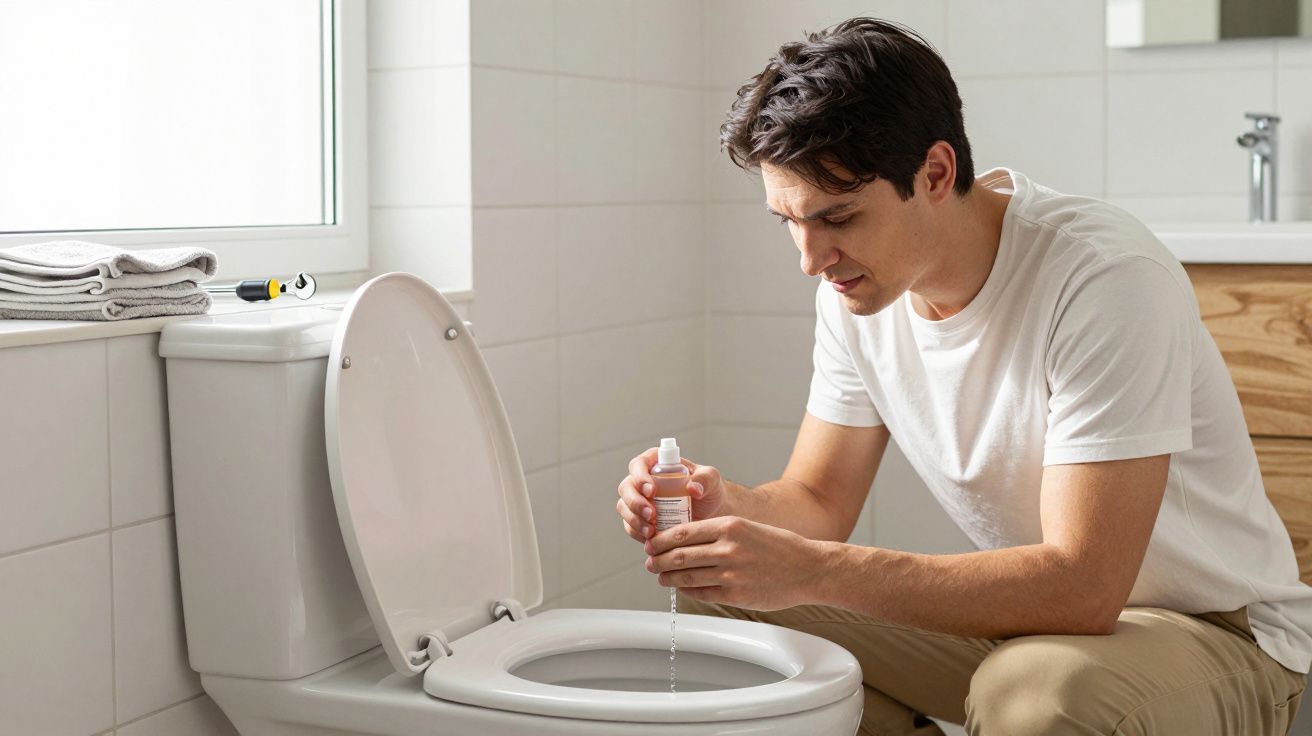
Vacant suites, underused showers, occasional-use tea points, spare WCs near meeting rooms-these are plumbing’s blind spots. Water sits longer, disinfectant residuals decay, and temperatures drift into the “comfortable” zone for microbes. You don’t need a total shutdown for this; a slow decline in occupancy can do it.
Common signs aren’t cinematic. They’re the little irritations: first-draw discolouration, musty odours, aerators clogging, or staff complaining that the “hot” tap takes forever. That lag is not just inconvenience; it’s a clue about system balance and turnover.
Practical moves that actually help:
- Identify seldom-used outlets by floor and function (don’t guess; ask cleaners and tenants).
- Put a simple flushing routine in place for low-use areas and after holiday periods.
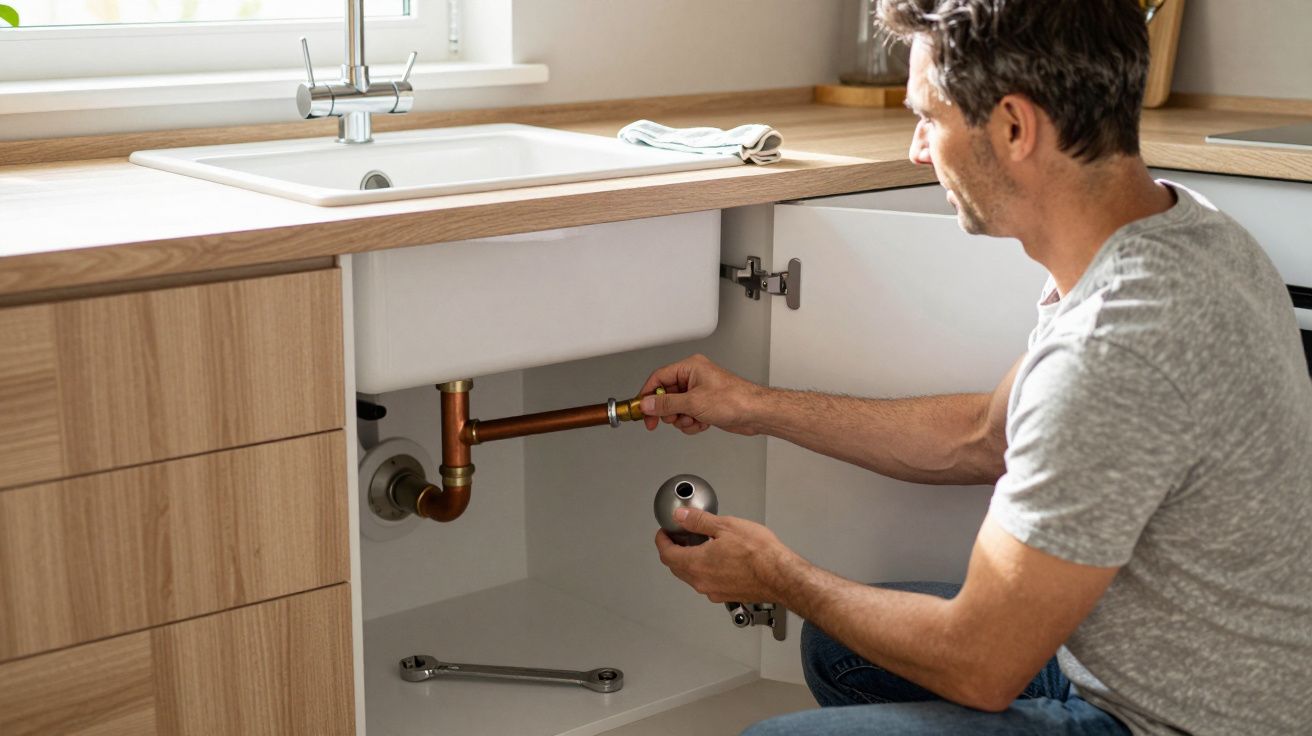
- Remove or rework redundant pipework during refits instead of “capping and forgetting”.
Hidden risk #2: temperature drift-especially in hot water circulation
Hot water safety in commercial settings lives and dies by temperature control. But circulation loops can lose heat, thermostatic valves can drift, and “energy saving” tweaks can unintentionally push parts of the system into risky ranges. The building might meet setpoints at the plant, yet deliver lukewarm water at the ends of the line.
The most awkward part is that the problem can be intermittent. A system might behave on a busy Wednesday, then slip on a quiet Saturday when flows drop and heat losses win. Engineers see it all the time: compliant readings in one test, worrying readings in the next, with the same kit.
What to watch for:
- Long wait times for hot water at distal outlets
- Regular TMV complaints (“too hot”, “too cold”, “keeps changing”)
- Circulation pumps running but return temps underperforming
Hidden risk #3: pressure changes that stress joints, valves, and appliances
Commercial plumbing systems often run at higher pressures, with boosted sets, PRVs, expansion vessels, and sometimes water hammer arrestors that aren’t where you’d expect. When occupancy changes, so do demand spikes-and that changes the way pressure waves move through pipework.
You can have a pipe that “never leaked” for years, then starts weeping after a tenant fit-out adds a bank of dishwashers or a new café. It’s rarely one dramatic event; it’s repeated stress on seals, flexis, and old soldered joints until they finally give up.
Good housekeeping here is less about panic and more about verification:
- Confirm pressures at representative points (not just at the incoming main).
- Check expansion control on hot water systems after any plant adjustment.
- Treat repeated small callouts (drips, noisy valves, failed solenoids) as a pattern, not bad luck.
Hidden risk #4: refits that leave “ghost plumbing” behind
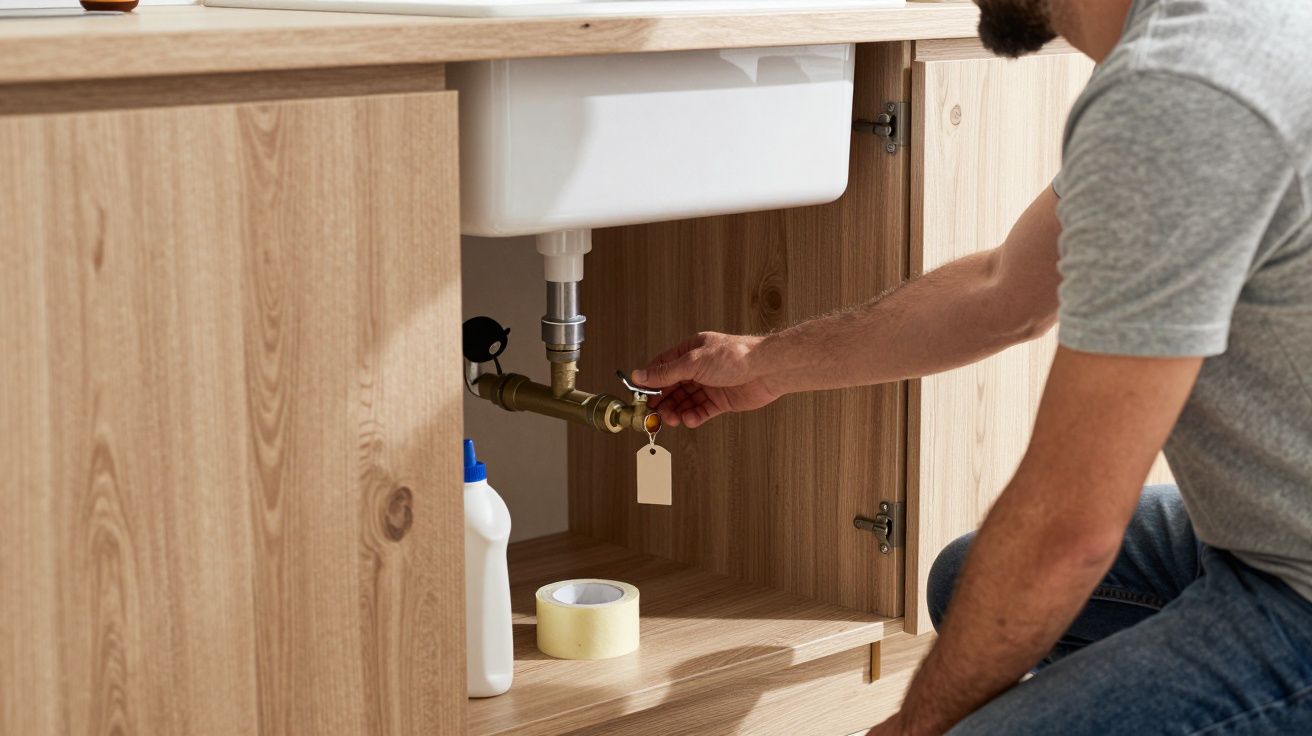
Commercial spaces change hands. Walls move, tea points migrate, a shower becomes a storeroom, a lab becomes an open-plan office. Each change can leave behind dead legs, blind ends, and little pockets of water that never quite refresh.
The irony is that these are often created by “quick wins”: cap it, box it in, move on. The risk then becomes invisible-until a water sample fails, a smell returns, or a tenant asks why their first-draw water is brown.
If you want one rule that prevents a lot of future grief, it’s this: don’t just make pipework safe-make it disappear. Remove redundant runs where practical, and document what remains.
Living with reality: make plumbing management match your building’s rhythm
The biggest mistake is treating plumbing as a static asset in a building that isn’t static. A modern office with hybrid working doesn’t behave like a 2019 office; a seasonal hotel doesn’t behave like a fully occupied one; a retail unit with changing tenants rarely holds steady demand for long.
A lean, realistic approach looks like this:
- Map risk by usage, not by floor plan (what’s used daily, weekly, rarely).
- Align flushing, temperature checks, and inspection points to actual occupancy.
- Review after change: refurbishments, tenancy changes, plant tweaks, even new opening hours.
Routine beats perfection. The goal isn’t to do “everything”, it’s to keep water moving, temperatures controlled, and the system honest.
| Hidden risk | Why it happens | What helps most |
|---|---|---|
| Stagnation at low-use outlets | Water usage patterns fall or shift | Targeted flushing + removing dead legs |
| Temperature drift in hot water loops | Low flow + heat loss + control drift | Verify return temps + TMV performance |
| Pressure stress and weeps | Demand spikes and boosted pressure dynamics | Pressure checks + expansion control |
FAQ:
- How quickly can low occupancy create a plumbing risk? Sometimes within days for temperature and “first-draw” quality issues, and within weeks for more persistent stagnation problems. The more complex the system, the faster weak points show up.
- Is flushing enough to manage risk in underused areas? Flushing helps, but it’s not a magic wand. It works best when paired with identifying and removing redundant pipework and ensuring hot water temperatures remain within safe control ranges.
- Why do problems show up after a fit-out? Fit-outs change demand, flow paths, and pressure behaviour. They also often introduce new dead legs or leave old runs capped in place, which can quietly undermine water quality and system reliability.
- What’s the most common “early warning” sign? Repeated minor issues in the same zone-slow hot water, intermittent odours, aerators blocking, or small leaks-because they indicate a systemic pattern rather than a one-off fault.
- How do I start if I’ve inherited an older building with limited records? Begin with a usage-based walkthrough: list low-use outlets, confirm key temperatures and pressures, and create a simple schematic as you go. You don’t need perfect drawings to reduce risk-you need visibility and repeatable checks.



Comments (0)
No comments yet. Be the first to comment!
Leave a Comment