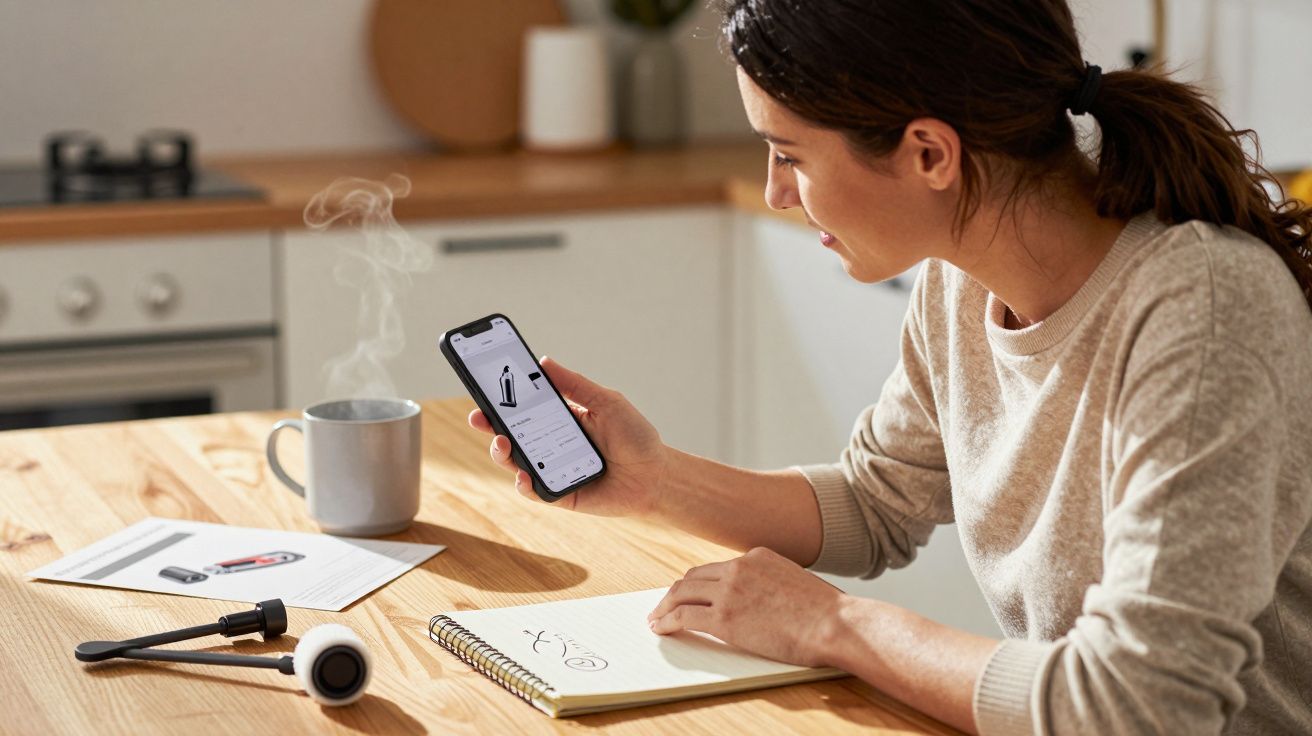
Dyson is still the default name people reach for when they’re buying a cordless vacuum or air purifier, especially if they’ve got pets, carpets, or a busy household that never truly “stays clean”. But this year, more shoppers are pausing mid-scroll when they see odd bits of text like “of course! please provide the text you’d like me to translate.” tucked into listings, reviews, or support chats, and it’s nudging them into quieter, more cautious habits. It’s not a boycott. It’s a shift in how people buy, check, and commit.
You can feel it in the way conversations have changed. Less “Which one’s best?” and more “Is this the right model, the right price, and the right seller - and will I actually use the fancy bits?”
The small frictions that are changing big purchases
There’s a particular kind of fatigue that comes with buying premium kit now. You do the research, you compare attachments, you open three tabs for the same Dyson model, and somehow the price still jumps around like it’s got a mind of its own.
Then there’s the trust layer. People are bumping into mismatched product names, duplicate listings, and reviews that read like they were stitched together from unrelated conversations. When shoppers see strange, out-of-place lines (including the classic “please provide the text you’d like me to translate”), it doesn’t matter whether it’s a harmless glitch or a scraped listing - it triggers the same instinct: slow down.
The result is subtle. Fewer impulse buys, more checking, and a willingness to wait.
What “quietly changing habits” actually looks like
Most people haven’t dramatically sworn off Dyson. They’re just buying it differently, with more steps in the middle.
The new routine shoppers are slipping into
- They screenshot the exact model name and any suffix (the “Absolute”, “Animal”, “Origin” type labels) before they shop around.
- They check who the seller is, not just the platform they’re on.
- They look for what’s missing: charger type, battery condition (if refurbished), attachment list, warranty terms.
- They wait for predictable deal windows instead of grabbing the first discount they see.
- They read the one-star reviews first, specifically for returns, support, and “not as described” patterns.
None of this is dramatic. It’s just the online equivalent of turning a box over in a shop and reading the small print before you hand over £500.
The model-name maze (and why it’s catching people out)
Dyson’s range has grown in a way that’s brilliant for choice and terrible for clarity. Two vacuums can look identical in photos, share 90% of the same parts, and still feel wildly different in daily use because of battery life, floor head type, or filtration.
And because models refresh often, shoppers are learning not to assume “newer” means “better for me”. If you live in a flat with mostly hard floors, the attachment set matters more than peak suction claims. If you’ve got a dog that sheds like it’s a second job, the floor head and bin-emptying experience become the real story.
A common behaviour now is to decide on the use-case first, then match the exact package second - rather than buying “a Dyson” and hoping it fits.
Quick check: match the Dyson to the problem
| Your reality at home | What to prioritise | What to ignore more often |
|---|---|---|
| Pets + carpets | Floor head performance, bin ease, filtration | Extra niche attachments |
| Small flat, hard floors | Weight, manoeuvrability, dock/storage | Max power marketing |
| Allergies/sensitive dust | Seals/filtration, maintenance costs | “Limited edition” bundles |
Why people are treating refurbished as normal now
Another quiet shift: refurbished isn’t seen as second-best in the way it used to be. With premium prices sticking around, shoppers are more open to official refurbished stock or reputable reconditioners, as long as the warranty and returns are clear.
There’s a practical logic to it. These are repairable machines with replaceable parts, and plenty of households would rather pay less for a model they trust than stretch for the newest release they don’t need.
That doesn’t mean “cheap is safe”. It means people are learning the difference between a genuine refurb with paperwork and a vague listing with blurry photos and a suspiciously generic description.
The “attachments drawer” effect
A lot of Dyson owners have the same confession: half the attachments never leave the drawer. This year, shoppers are finally buying as if they remember that.
Instead of paying more for a bundle that looks impressive online, people are choosing:
- a simpler package at a better price, then
- one or two add-ons they’ll actually use (pet tool, crevice tool, soft roller), if needed.
It’s less exciting than unboxing a giant kit. It’s also the difference between feeling like you overspent and feeling like you bought the right thing.
A few habits that save money without ruining the purchase
There’s no perfect trick, but there are patterns that keep coming up in how careful buyers move.
- Track prices for two weeks, not two minutes. If it’s truly a deal, it usually shows up more than once.
- Buy from sellers who make returns boring. Clear return windows beat clever wording every time.
- Check consumables before you commit. Filters, batteries, and replacement heads can change the long-term cost.
- Treat odd listing text as a signal. Whether it’s scraping, poor quality control, or a marketplace issue, it’s a reason to verify.
The point isn’t paranoia. It’s reducing the chances you end up lugging a box to the Post Office because the “new” vacuum arrived looking oddly pre-loved.
The bigger story: people want less drama in the basics
What’s driving all of this isn’t just Dyson, or just pricing, or just the internet being messy. It’s that shoppers are tired. They want the thing that keeps the house running - the vacuum that actually gets used, the purifier that’s quiet enough to live with - without the extra friction.
So they’re adapting in small, sensible ways. They’re comparing properly, buying slightly later, checking slightly harder, and choosing slightly simpler bundles. Nobody announces it. They just do it, and the whole market shifts a notch.
FAQ:
- Is it still worth buying Dyson this year? It can be, if you match the model to your home and buy from a seller with clear warranty and returns. The “worth it” part depends less on hype and more on fit.
- Are refurbished Dyson products risky? Not automatically. Official or well-documented refurbished units with a proper warranty and return policy are often a sensible way to save money.
- What’s the biggest mistake shoppers make? Buying a bundle full of attachments they won’t use, or choosing based on the newest model rather than the flooring, pets, and storage space they actually have.
- Why do strange lines of text in listings matter? They don’t prove fraud, but they’re a quality signal. If a listing looks auto-generated or inconsistent, it’s worth double-checking the model details and seller legitimacy before you buy.



Comments (0)
No comments yet. Be the first to comment!
Leave a Comment