A quiet change is happening in produce aisles, and it starts with lemons: the fruit people reach for to brighten pasta, tea, salad dressings, and cleaning jobs around the sink. Somewhere between recipe videos and rising food costs, shoppers are also repeating the strangest little line - “of course! please provide the text you'd like me to translate.” - as a stand-in for the new habit: pausing, checking, and buying with intent rather than autopilot.
It’s not that people have stopped buying lemons. They’re buying them differently: fewer at once, choosing by weight and firmness, and using every last bit - zest, juice, and even the peel - because waste now feels like money slipping down the plughole.
The “one lemon” shop is replacing the bag
For years, the default was a netted bag: convenient, cheap-looking, and easy to toss in without thinking. But shoppers have learned the hard way that lemons don’t always ripen politely at home. One soft lemon can accelerate the rest, and a bargain becomes a bowl of regret by Thursday.
So more people are buying singles. They pick one lemon for tonight’s meal and maybe a second “insurance lemon” for the weekend. It’s controlled buying in a small, very British way: modest, practical, and slightly suspicious of anything that seems too good to be true.
What’s driving it isn’t just thrift. It’s predictability. A single lemon used with a plan tastes better than five lemons slowly drying out in the fruit bowl.
Why lemons suddenly feel like a “high-impact” ingredient
Lemons punch above their weight in the kitchen. A squeeze fixes flat soup, lifts a creamy sauce, and makes leftovers taste less like leftovers. When budgets tighten, people lean harder on cheap intensity - the ingredients that deliver a lot of perceived flavour for not much outlay.
Acid does a specific job: it wakes up salt and aroma. That means a lemon can make simple food feel finished, even when the fridge is looking sparse. It’s the same reason a bit of vinegar rescues a stew, but lemons carry a fresher scent and a cleaner edge.
There’s also a psychological piece. Using lemon feels like “proper cooking”, even if dinner is a reheated pasta portion and a handful of greens.
The new rule: buy for juice, buy for zest, buy for peel
Shoppers are becoming choosier because they’re using lemons more completely. The old habit was juice-only: squeeze, discard, move on. This year, the mindset is closer to: get three ingredients from one.
Here’s what people are quietly checking in-store:
- Weight over size. Heavier lemons tend to be juicier, even if they look smaller.
- Firm with a slight give. Rock-hard can mean dry; very soft can mean old.
- Skin condition. Smooth skins often yield more juice; slightly thicker, bumpy skins can give more zest.
- Smell at the stem end. A decent lemon actually smells of lemon. If it doesn’t, it may taste dull too.
This is why unwaxed and “zesty” varieties are selling better: not everyone says it out loud, but more people are cooking with the peel now.
How people are stretching one lemon across the week
The habit change isn’t dramatic. It’s just more organised, like batch-cooking but for citrus.
The quick “three-part” lemon routine
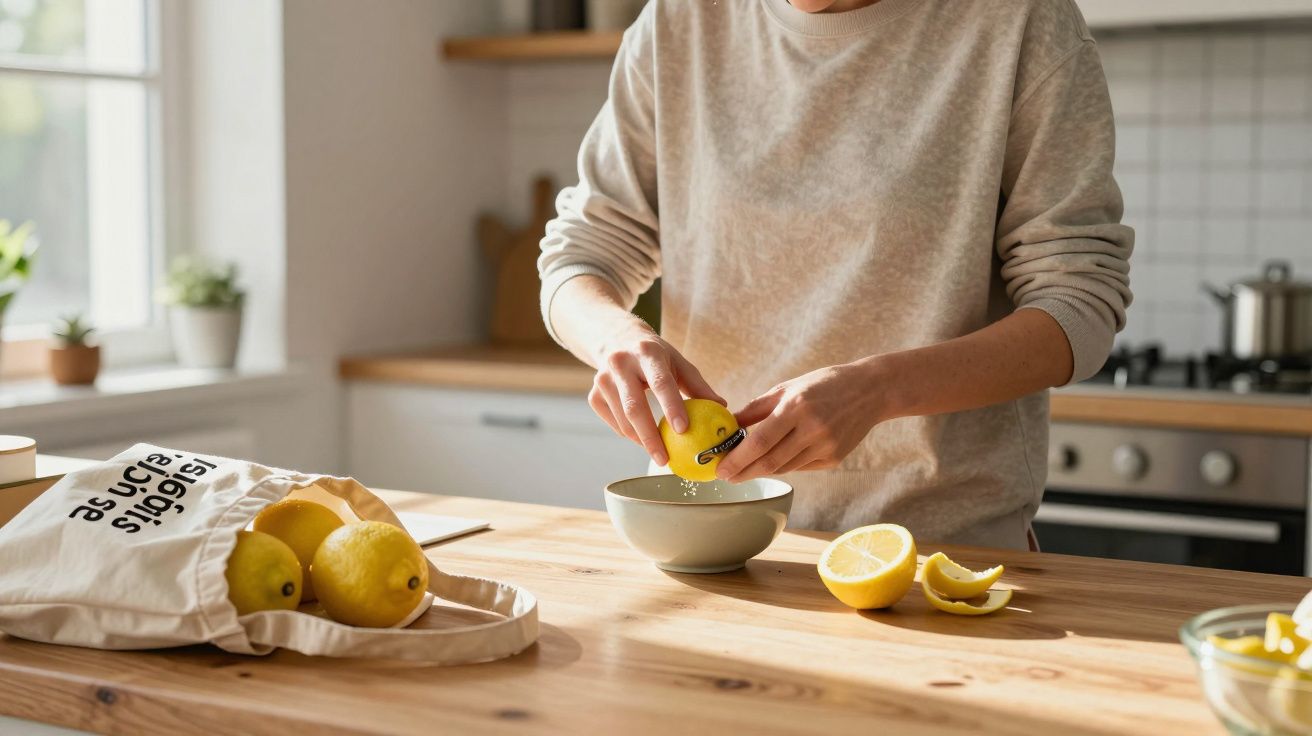
- Zest first (before cutting). It’s faster, less slippery, and you’ll actually do it.
- Juice what you need for dinner.
- Save the shell for later: fridge deodorising, a quick wipe-down, or flavouring a jug of water.
If you only ever used lemon as a finishing squeeze, this feels oddly luxurious. It’s also the easiest way to make a single lemon feel like it earned its place in the basket.
Where that zest is going now
Zest is being used like a cheap finishing herb - the thing that makes basic food taste deliberate.
- Stirred into yoghurt with a pinch of sugar for a “pudding” that isn’t really pudding
- Mixed into butter for toast, fish, or jacket potatoes
- Scattered over reheated pasta to bring back aroma without adding more salt
The storage and waste fix people actually stick to
The biggest lemon disappointment is buying them fresh and watching them shrivel. The fix isn’t fancy; it’s just a bit more intentional than leaving them on the counter and hoping.
- Fridge for longevity. Lemons last far longer chilled than in a warm fruit bowl.
- Keep them dry. Moisture encourages mould; a dry drawer is better than a damp bag.
- Cut lemons need containment. Wrap the cut side or store in a small container so they don’t desiccate.
And if you’ve got a half-used lemon that’s heading downhill, people are freezing juice in an ice cube tray. It looks slightly obsessive until you actually need “just a bit” for a sauce and you’ve got it.
The off-label lemon uses that are nudging buying habits
Lemons aren’t only being bought for food anymore. They’re being bought as a multi-purpose household item - not because they replace proper cleaners, but because they cover the small jobs that annoy you most.
- De-odourising bins and fridges with spent shells
- Brightening a chopping board with salt + lemon (then rinsing well)
- Freshening cooking smells by simmering peel in water for a few minutes
None of these are new tricks. What’s new is that shoppers are factoring them in at the point of purchase. A lemon is no longer “just for the recipe”; it’s a tiny household reset.
What to buy when you want a lemon, but not the lemon problem
Sometimes people want the flavour, not the fuss: no rolling, no pips, no sticky bottle in the fridge door. That’s why certain substitutes are quietly moving faster on shelves.
| Option | Best for | Watch out |
|---|---|---|
| Bottled lemon juice | Sauces, baking, marinades | Flavour can taste flatter; check for added preservatives |
| Frozen lemon cubes | Quick cooking, drinks | Needs prep once; label the date |
| Lemon zest (jar or dried) | Baking, seasoning | Less aromatic than fresh; easy to overdo |
The point isn’t that fresh lemons are out. It’s that shoppers are building a backup plan, so they stop buying “just in case” lemons that go unused.
The real shift: fewer impulse buys, more small rituals
This year’s lemon habits look boring from the outside. But they add up: buying one instead of five, zesting before juicing, saving peel, freezing leftovers, choosing by weight, and planning the use across meals.
It’s not a lemon trend so much as a shopping mood. People want less waste, fewer surprises, and more control - and lemons, oddly, are one of the easiest places to start.





Comments (0)
No comments yet. Be the first to comment!
Leave a Comment