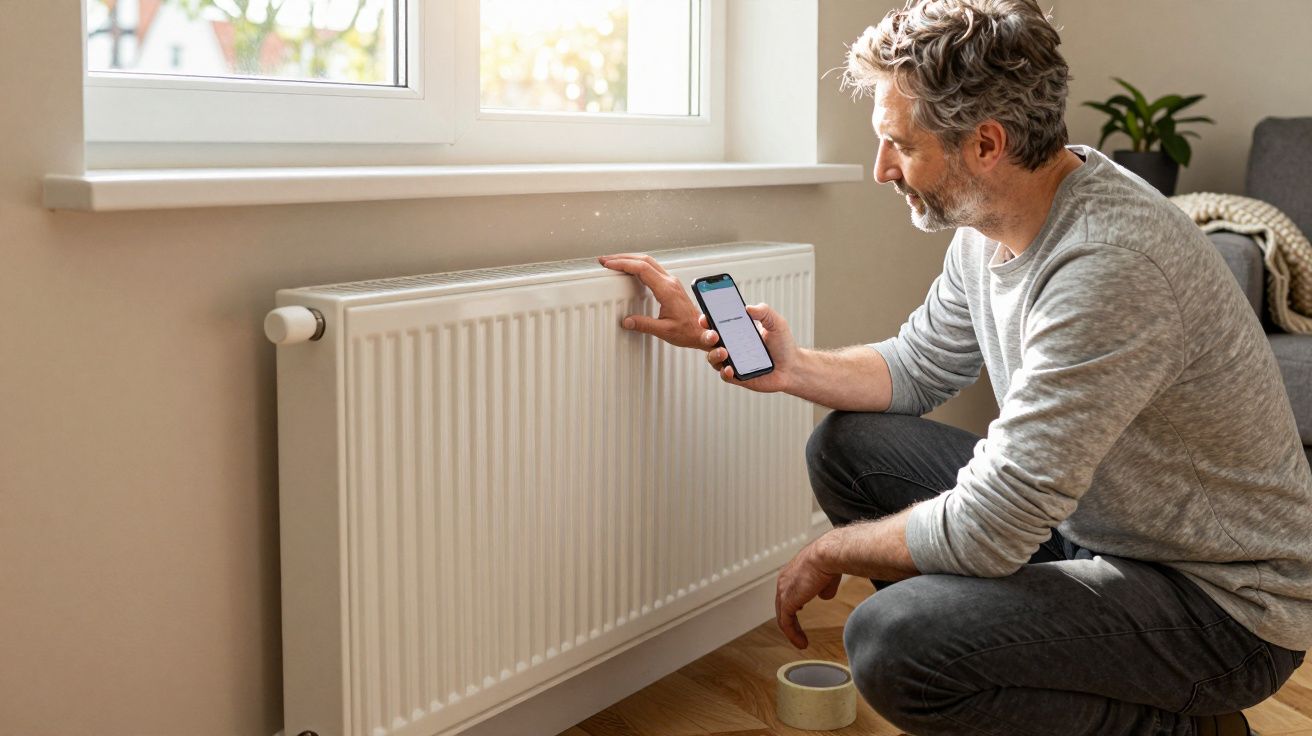
The first time you notice it, it’s rarely dramatic. You fit low-carbon heating to cut bills and emissions, and suddenly system compatibility becomes the real plot: radiators that feel lukewarm, rooms that never quite catch up, a boiler cupboard that turns into a tangle of compromises. Nothing is “broken” in the old sense. It just isn’t aligned with how modern heat wants to move.
On paper, it’s an upgrade. In practice, it’s a truth serum for your home. Low-temperature systems don’t hide the draught behind the sofa or the undersized pipe run that always struggled. They expose it, politely, day after day.
The day the house stops bluffing
The installer’s van pulls away and the new kit hums with the soft confidence of something designed this decade. Outside, a heat pump fan ticks over; inside, a cylinder warms like a slow kettle. You wait for the old punch-radiators that snap hot in minutes. Instead, you get a steady, gentle warmth that feels more like a hand on your shoulder than a blast.
That’s when the older system starts telling the truth.
With low-carbon heating, heat arrives at a lower flow temperature and relies on consistency. Any weakness that was masked by a roaring boiler-poor insulation, leaky windows, unbalanced circuits-shows up as comfort complaints. It isn’t that the new technology “can’t cope”. It’s that the house was leaning on brute force.
Why low temperatures make flaws visible
Traditional boilers often run high flow temperatures, which can overpower imperfections. A small radiator in a cold room still feels hot enough to “work” because the water is hot enough to carry the room on its back. Low-carbon systems tend to operate most efficiently with lower temperatures, so the margin disappears.
Think of it like turning down the music at a party. When the volume drops, you suddenly hear the rattling window frame, the fridge compressor, the conversation you’ve been avoiding. Low-carbon heating lowers the “volume” of heat and forces the rest of the building to contribute.
Common weaknesses that pop up fast:
- Heat loss you’d normalised: chilly corners, cold floors, draughty bays.
- Emitters sized for old assumptions: radiators picked for high temps, not steady low ones.
- Hydraulic quirks: microbore pipework, pinched tees, long runs with poor flow.
- Controls that fight the system: on/off habits, old thermostats, poorly placed sensors.
None of these are moral failures. They’re just the way many UK homes were built, extended, and “made to work” over decades.
The hidden compatibility problem: what “works” isn’t the same as “works well”
A lot of system compatibility issues sit in the grey zone between functioning and fit-for-purpose. A heat pump might run, the rads might get warm, and the homeowner might still feel cheated because the experience is different: slower, steadier, less forgiving of gaps.
Older systems often evolved like this: a conservatory was added, a radiator was tacked on, a bedroom became an office, insulation improved in one area and not another. The boiler was then set hotter to paper over the new load. With low-carbon heating, those patches become the story.
Look for these tells:
- The unit is cycling on and off more than expected.
- One or two rooms lag behind no matter what you do.
- Hot water is fine, but space heating feels “flat”.
- The system is noisy: rushing water, whistling valves, clanking pipes.
That’s not a sign you should give up. It’s a sign the house needs tuning, not just hardware.
The radiators aren’t “wrong” - they’re just telling you what they were designed for
Radiators are often blamed first, because they’re the bit you can touch. With low-temperature heating, they may feel cooler to the hand while still heating the room-just over a longer period. But sometimes they truly are undersized for the new operating temperatures, especially in larger rooms or spaces with high heat loss.
Older radiator choices were frequently based on:
- high boiler flow temperatures
- intermittent heating patterns (morning/evening blasts)
- less insulation and more “make it hot” thinking
Low-carbon systems prefer:
- longer run times
- stable indoor temperatures
- lower flow temperatures to keep efficiency high
So the question becomes practical: do you want to run hotter (and lose efficiency), or improve emitters and fabric so you can run cooler?
Pipework, balancing, and the unglamorous stuff that decides comfort
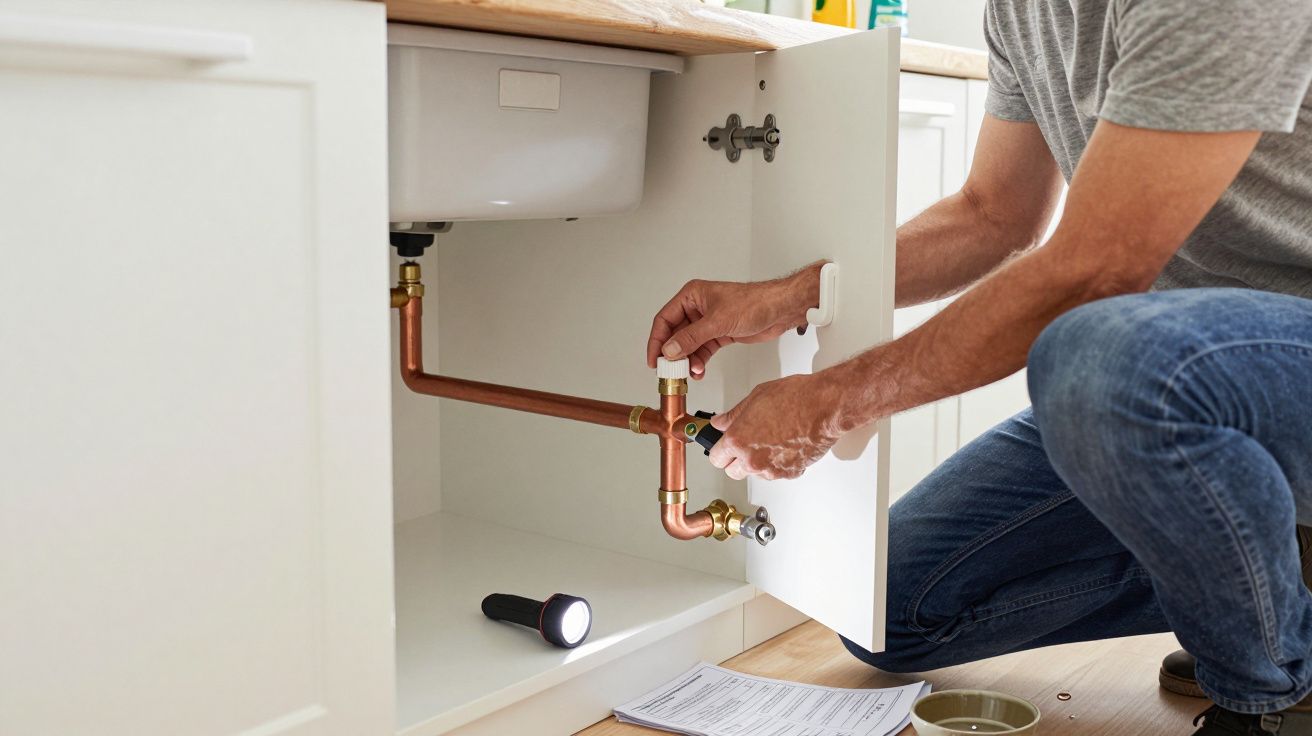
The least photogenic parts of a heating system are often the most decisive. Microbore pipework can be fine, until it isn’t-especially if parts of it are partially blocked, poorly routed, or paired with pumps and valves that were never meant for today’s control strategies. Likewise, a system that’s never been properly balanced may have “worked” for years because high temperatures masked uneven distribution.
Low-carbon heating rewards good plumbing manners:
- correct flow rates to each circuit
- clean water (and a plan for filtration)
- sensible zoning that matches how the home is used
- weather compensation and steady control, not constant override
If your home has a history of mystery fixes-odd bypasses, half-isolated circuits, valves that “sort of” turn-expect a low-temperature system to notice.
“It’s not that the new heating is weak,” one commissioning engineer told me. “It’s that it refuses to lie for you.”
How to make older homes behave: a short, realistic checklist
Start with the moves that give the biggest clarity, not the biggest disruption. You want to remove unknowns before you start spending on shiny parts.
- Heat loss survey, not guesswork: room-by-room, including extensions and loft conversions.
- Controls audit: where is the thermostat, what’s the schedule, is it fighting zoning?
- Balance and flush: verify flow, clean the system water, add proper filtration.
- Emitter check: confirm radiator sizes at the target flow temperature, not the old one.
- Drafts and easy fabric wins: loft insulation top-up, sealing obvious gaps, thick curtains where it helps.
Do these and the system stops feeling like a compromise. It starts feeling like design.
The upside: weaknesses found early become savings later
There’s an awkward gift in this: low-carbon heating pushes you towards a home that’s easier to live in. When you fix the draught, you get comfort. When you right-size a radiator, you get quieter, steadier rooms. When you sort balancing and controls, you get fewer spikes on the meter and less fiddling.
The goal isn’t perfection. It’s alignment: system compatibility between the heat source, the distribution, the emitters, and the building itself. Once those pieces agree, low-carbon heating stops being a “technology choice” and becomes a calm background service-exactly what heating should be.
| Hidden weakness exposed | What you notice | Typical fix |
|---|---|---|
| High heat loss | Cold rooms despite long run times | Insulation, draught-proofing, glazing tweaks |
| Undersized emitters | Radiators warm but room slow | Larger rads, fan-assisted rads, UFH in key zones |
| Poor distribution | Some rooms roast, others lag | Balancing, pump/valve checks, pipework tweaks |
FAQ:
- Is it normal for radiators to feel cooler with low-carbon heating? Often, yes. Many systems aim for lower flow temperatures, so the radiator surface can feel lukewarm while still delivering steady heat over longer periods.
- Does “system compatibility” mean I need to replace all my pipework? Not usually. Many homes work well with existing pipework after cleaning, balancing, and addressing restrictions-but microbore or heavily modified systems may need targeted changes.
- Can I just run the system hotter to make it feel like the old boiler? You can, but it may reduce efficiency and increase running costs. A better long-term approach is reducing heat loss and improving emitters so you can stay at lower temperatures.
- What’s the first thing to check if comfort is poor after installation? Controls and balancing. Incorrect settings, bad sensor placement, or uneven flow can make a good heat source perform badly.
- Is this only a problem with heat pumps? No. Any low-temperature low-carbon heating setup (including some heat networks and hybrid strategies) can reveal the same building and distribution weaknesses.





Comments (0)
No comments yet. Be the first to comment!
Leave a Comment