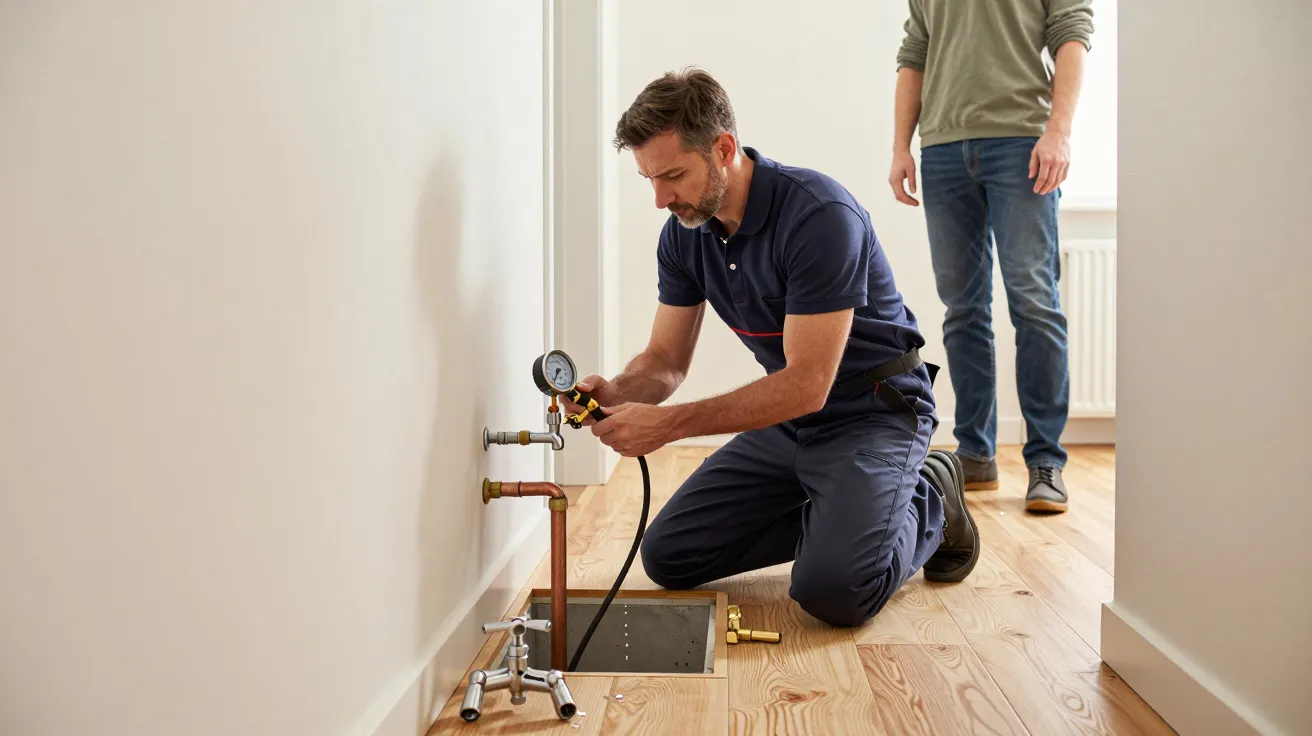
You can fit a brand-new combi boiler, shiny taps, and a “high-pressure” shower, and still end up with drips, banging pipes, and radiators that heat like they’re sulking. In older properties, system compatibility is the quiet make-or-break: modern components assume tolerances, pipe sizes, and layouts that simply weren’t standard when your building was put together. If you live in one, this matters because the failure isn’t always the product-it’s the mismatch.
I once watched a plumber stand in a Victorian terrace hallway, listening. Not to the homeowner’s explanation, but to the house: the thud when a tap snapped shut, the faint hiss behind a lath-and-plaster wall, the way the kitchen floorboards lifted a millimetre when someone flushed upstairs. He didn’t look surprised. He looked like someone reading a familiar language.
That’s the thing with old buildings. They don’t “break” the way new builds do. They react.
Why new parts don’t automatically mean a better system
Modern plumbing is designed for speed: quick installs, modular parts, predictable mains pressure, and neat runs in stud walls. An older house is the opposite-altered over decades, with pipe routes that were chosen by whoever had access that year, and a patchwork of materials that don’t behave the same way.
So you get the classic disappointment: you upgrade one piece, and the system finds a new weak spot. The shower pump exposes a tired stopcock. A powerful combi highlights scale in a narrow old elbow. A thermostatic mixer starts hunting because pressures aren’t balanced.
It feels unfair because you’ve paid for “better”. But a house isn’t a single appliance. It’s a chain.
The hidden quirks inside older properties
You don’t have to be in a listed Georgian townhouse to have old-building problems. Plenty of 1930s semis and post-war houses carry the same legacy issues, just in different flavours.
Common culprits include:
- Mixed pipework: lead, galvanised steel, copper, plastic-all in one property, all expanding differently.
- Undersized runs and tight bends that were fine for low demand, not for modern flow rates.
- Old stop taps and gate valves that work until they’re asked to do something quickly.
- Long pipe routes added during past extensions, creating dead legs and pressure drops.
- Tanks in lofts and gravity-fed sections still hanging around after “partial upgrades”.
None of these are moral failures. They’re just history. The trouble starts when the new kit assumes there is no history.
System compatibility: where most “failures” actually begin
A lot of plumbing complaints are compatibility complaints wearing a different coat. You think you have a boiler problem, but you have a design assumption problem.
Here are the big mismatch patterns that show up again and again:
Pressure and flow don’t match the new fixtures
Modern showers and taps often want stable pressure and decent flow. Older setups may be gravity-fed, partially converted, or constrained by small internal diameters. You can end up with a shower that goes hot-then-cold, or a tap that aerates nicely but takes ages to fill a pan.
And if you “solve” it with a pump without checking the rest of the system, you can invite noise, vibration, and leaks in joints that were never meant to be pressurised like that.
Hot water behaves differently in old pipe layouts
Older houses often have longer runs and more heat loss. Add a combi and suddenly hot water is being made on demand, travelling through a route designed for stored hot water, and arriving late. People interpret that as the boiler being rubbish.
Sometimes it is. Often it’s just physics plus distance, with a side of pipe insulation that never existed.
Water quality and debris punish modern components
Old pipework can carry sludge, scale, or rust flakes that have sat quietly for years. The moment you disturb flow rates-new boiler, new pump, new valve-that debris moves. Modern valves, filters, and heat exchangers are more sensitive than the chunky old stuff.
That’s how you end up with a brand-new boiler throwing fault codes because the system wasn’t cleaned properly, or a fancy mixer tap that keeps sticking.
The “upgrade trap”: fixing one room and creating three new problems
Bathrooms and kitchens get refreshed in isolation because that’s how renovations are budgeted. New suite in, tiles done, job finished. But plumbing doesn’t respect room boundaries.
A typical trap looks like this:
- New rainfall shower installed.
- Pressure issue appears, so a pump or high-pressure valve is added.
- Pipework starts hammering, or a weak joint begins to weep.
- Radiators get cold spots because the system sludge has been stirred up.
- Everyone blames the shower.
It’s not that the shower is cursed. It’s that the system wasn’t upgraded-only the visible bit was.
What actually works: treat the house like a whole system
The practical shift is to think in routes and interfaces, not products. Before you buy the nice fittings, you want to know what the building can realistically support.
A good approach usually includes:
- Checking incoming mains pressure and flow rate (they’re not the same thing).
- Identifying whether parts of the property are gravity-fed, mains-fed, or mixed.
- Mapping pipe materials and likely bottlenecks (especially old 15mm runs feeding “luxury” fixtures).
- Allowing for cleaning and protection: flushing, magnetic filters, strainers where appropriate.
- Planning pressure balancing for mixers and showers so they don’t “hunt” when someone runs a tap.
Let’s be honest: nobody wants to pay for “invisible” work. But invisible work is what stops visible upgrades from becoming a weekly annoyance.
Small signals your plumbing is mismatched (not just “old”)
Some symptoms are less about age and more about incompatibility:
- A loud bang when a tap or washing machine valve shuts (water hammer).
- Hot water takes ages upstairs but is fast in the kitchen.
- Shower temperature changes when another tap is opened.
- Frequent blockages after a major upgrade.
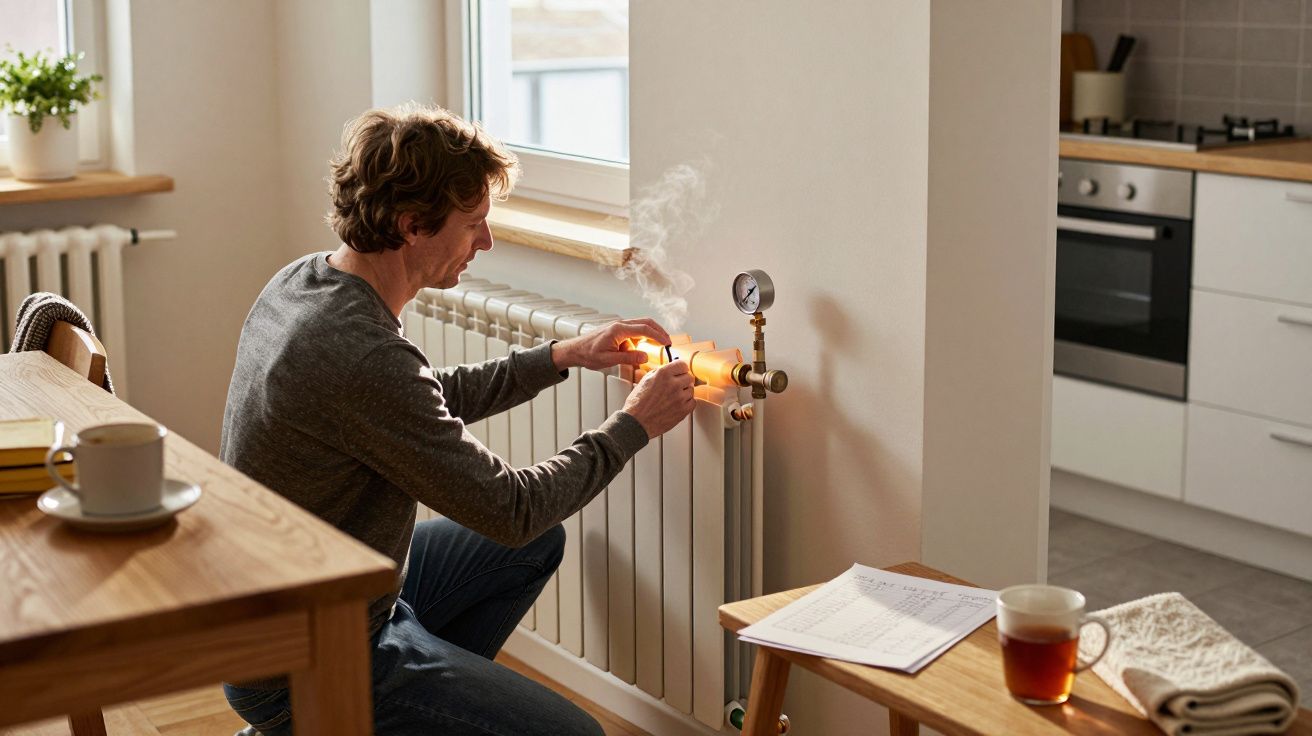
- Radiators that need bleeding often, or one that never quite heats properly.
If you recognise two or three of these, it’s worth asking for a system review, not another quick fix.
A simple checklist before you spend money on new fixtures
Use this as a sanity check when planning work in older properties:
- What is the existing hot water setup (combi, cylinder, back boiler remnants, immersion)?
- Are you mixing low-pressure and high-pressure supplies anywhere?
- Do you know the pipe sizes feeding the new bathroom/kitchen?
- Has the heating system been cleaned and protected if you’re changing the boiler?
- Where are the stop taps and isolators-and do they actually work?
The goal isn’t perfection. It’s fewer surprises after you’ve decorated.
| Compatibility check | What to look for | Why it matters |
|---|---|---|
| Pressure & flow | Measured at kitchen tap, not guessed | Prevents poor shower/tap performance |
| Pipework condition | Mixed metals, narrow runs, corrosion signs | Avoids leaks and blockages after upgrades |
| System cleanliness | Sludge/scale risk, proper flushing, filters | Protects new boilers and valves |
FAQ:
- Is it worth replacing all the pipework in an old house? Sometimes, but not always. A targeted replacement of known bottlenecks and problematic materials can deliver most of the benefit without a full strip-out.
- Why does my new shower go hot and cold? Often it’s unbalanced supplies (hot and cold at different pressures) or unstable flow due to restrictions in old pipe runs. A compatible valve or system reconfiguration usually fixes it better than simply increasing pressure.
- Can a combi boiler “not suit” older properties? It can suit them well, but only if the mains flow rate is adequate and the distribution pipework supports demand. Otherwise you’ll get disappointing hot water performance, especially at peak times.
- Do I need a power flush after installing a new boiler? Not always, but the system should be properly cleaned and inhibited. In older systems with sludge, a thorough clean plus a magnetic filter can prevent early component failure.
- What’s the first test I should do before a renovation? Get your mains pressure and flow measured and ask for a quick assessment of how hot and cold supplies are currently configured. That one step prevents a lot of expensive guesswork.




Comments (0)
No comments yet. Be the first to comment!
Leave a Comment