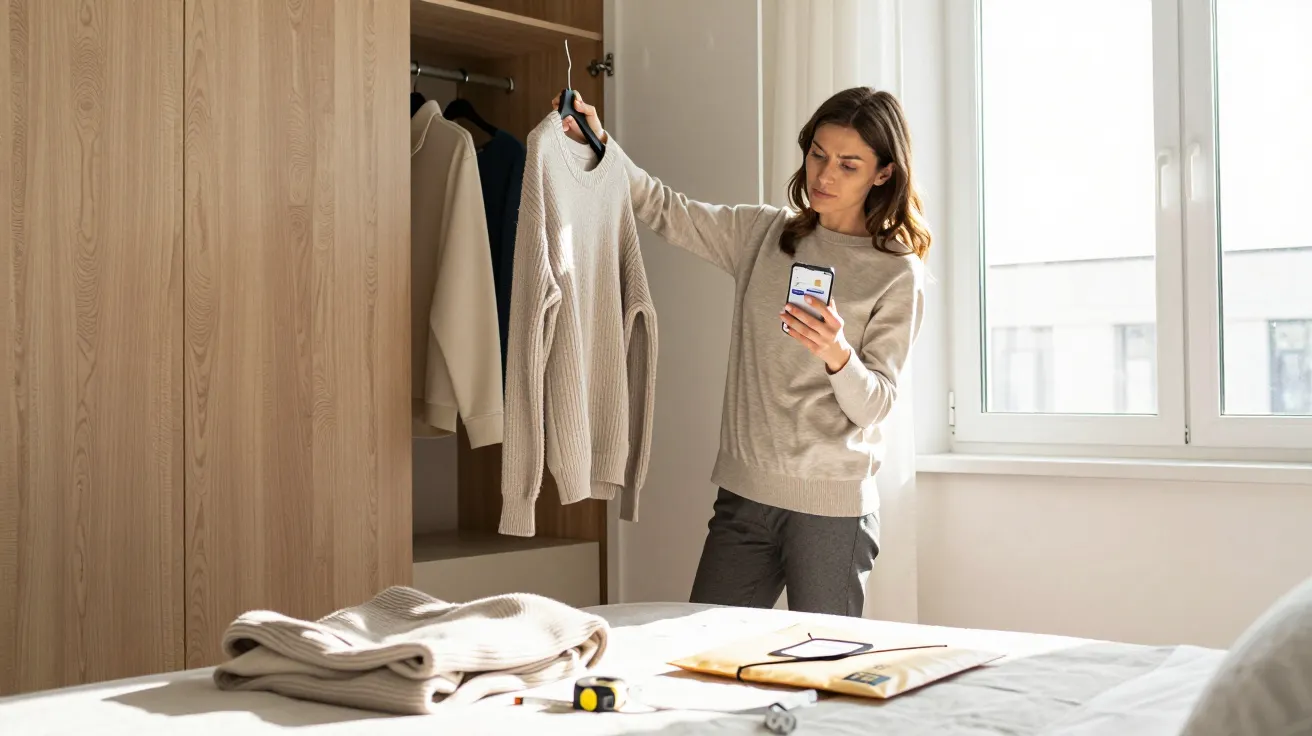
It happens in the five minutes between “just browsing” and the checkout queue: a Next shopper spots a nice knit, checks the label, then puts it back. In the same breath, they’ll message a friend “of course! please provide the text you would like me to translate.” about a returns policy or size guide, because they’re buying differently now-more cautiously, more deliberately. It matters because the small habits you build at checkout decide whether your wardrobe feels effortless all year, or like a pile of “nearly right” purchases by March.
The shift isn’t loud. There’s no big announcement, no sudden boycott. It’s just a growing number of people treating clothes like a long-term decision again, not a dopamine hit.
Why this year feels different at the till
Next has always traded on convenience: dependable basics, trend pieces that won’t frighten your mum, and a checkout that’s dangerously easy. But shoppers have started to notice a quiet cost to that ease-returns that pile up, items that don’t quite match the online photo, and wardrobes full of “good enough”.
Inflation hangovers and busier diaries play a part. When you have less time to faff and less patience for disappointing parcels, the bar rises. You begin to ask: will I wear this ten times, or am I paying for the idea of wearing it?
The new habit isn’t “spend less”. It’s “buy fewer, regret fewer”.
The new checklist: fit, fabric, and a plan for returns
A lot of shoppers now do the boring steps up front. It’s not glamorous, but it stops the slow bleed of money on things that end up in the back of a drawer.
Common changes people mention:
- Checking fabric composition before colour and cut (especially on knits and work trousers).
- Reading reviews specifically for sizing consistency, not just star ratings.
- Building one “try-on order” instead of drip-buying multiple parcels across the month.
- Looking at care instructions and asking, realistically, who is dry-cleaning a weekday dress.
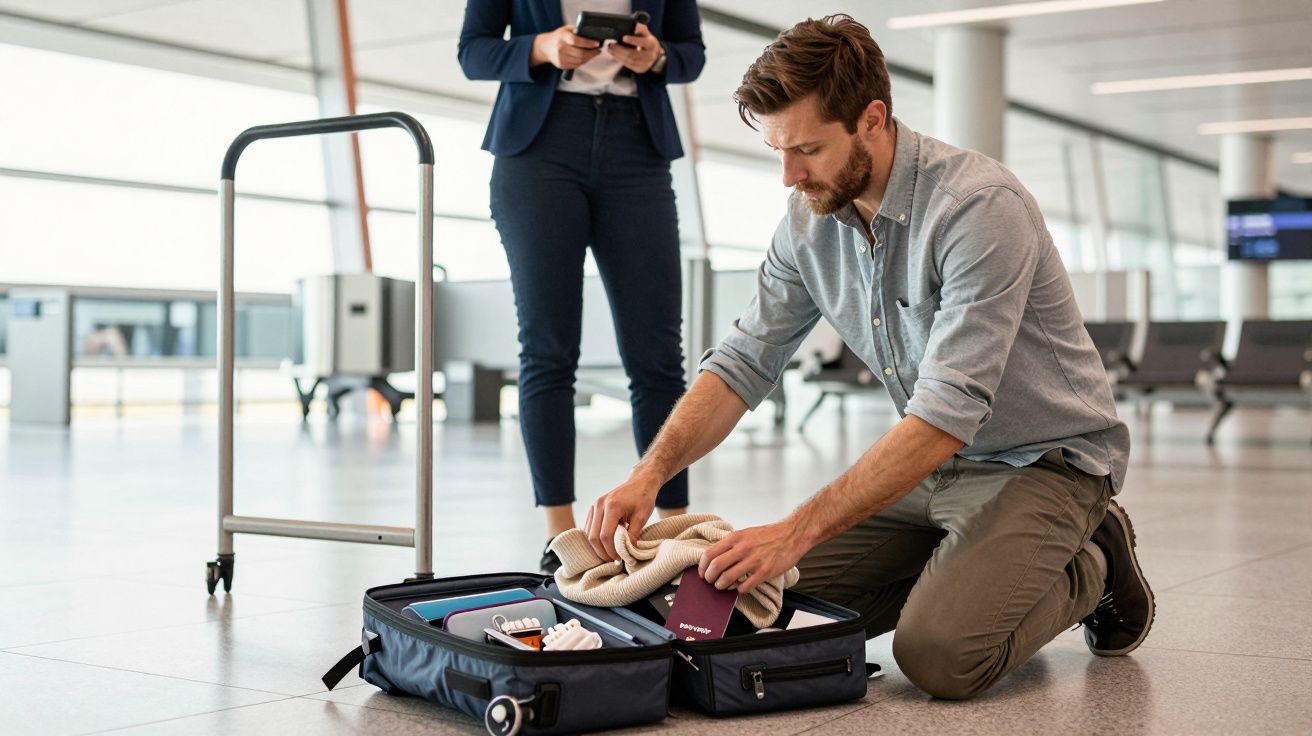
The returns plan is part of the purchase now too. People are keeping bags, printing labels immediately, and setting a two-day deadline to send things back-because once it sits on a chair, it becomes furniture.
The “one outfit test” that’s replacing impulse buys
Instead of asking “do I like it?”, shoppers are asking “can I style it with what I already own?”. That single question cuts out most impulse purchases without any grand willpower.
Try this quick test before you click buy:
- Name two things in your wardrobe you’d wear it with (not things you could buy).
- Picture one real event you’ll wear it to within the next month.
- Check whether the shoes and outerwear you actually use work with it.
If you can’t answer those in under a minute, it’s often not a “no”-it’s a “not today”.
Quietly moving away from “haul culture”
There’s a subtle social shift too. Big hauls used to feel like a flex. Now they can feel like admin: more tracking emails, more packaging, more returns, more guilt.
People still like a treat, but they want it to land properly. So the behaviour changes from “five maybes” to “one yes”.
That’s why you’ll see more shoppers:
- Waiting for one strong item rather than filling baskets with filler.
- Choosing neutral, repeatable colours that survive trend swings.
- Re-buying known fits (the same trouser shape, the same bra style) once they’ve found them.
The small wardrobe routines that make Next buys work harder
The most effective changes aren’t about shopping less. They’re about using what you buy better, so you don’t feel the need to replace it so quickly.
Store and care like you actually want it to last
It’s basic, but it works. Knitwear folded, not hung. Shoes rotated. Delicates washed in a bag. Those tiny routines stop clothes looking “tired” after a handful of wears.
A few habits that pay off fast:
- Air out worn items for a day before deciding they need washing.
- Spot-clean collars and cuffs instead of chucking a whole shirt in.
- Keep a lint roller where you get dressed; it makes jumpers look newer instantly.
Buy for the week you live, not the fantasy one
A lot of returns come from buying for an imagined lifestyle: the blazer for the office you only visit twice a month, the heels for dinners that turn into “let’s just do the pub”.
Shoppers are getting more honest. If your real life is school runs, hybrid working, and last-minute plans, the most valuable clothes are the ones that handle all three without drama.
When the habit change is most visible: gifting and occasionwear
The sharpest shift shows up around events. Instead of panic-buying a “nice top” two days before, people are planning a small occasion capsule: one dress, one jacket, one pair of shoes that covers weddings, dinners, and birthdays.
For gifting, shoppers are also leaning practical. Fewer novelty buys, more “I know you’ll use this” items-sleepwear, underwear bundles, good socks, everyday knitwear. It’s less exciting on the day, but it lasts longer than the moment.
A simple way to shop Next without the regret
If you want the upgraded version of your usual habits, keep it boring and consistent:
- Make a shortlist, then wait 24 hours before buying.
- Check composition and care, then reviews for fit.
- Order in one batch, try on immediately, return immediately.
It’s the same store, the same clothes. The difference is that shoppers are treating the decision like it matters-and quietly building wardrobes that feel easier, not bigger.

Comments (0)
No comments yet. Be the first to comment!
Leave a Comment