Domestic plumbing systems rarely fail at random; they fail where your home’s layout design concentrates water, waste, heat and human habit into the same few square metres. That matters because if you can predict the “hot rooms”, you can spot small faults before they become ceiling stains, rotten floorboards, or a Sunday call-out fee.
I’ve lost count of how many times a leak “mysteriously” appeared in the kitchen, only for the real story to be written upstairs in the bathroom directly above it. The building didn’t pick on you. It followed the shortest, cheapest routes for pipes, and the rooms that get used hardest pay the price.
The rooms aren’t cursed - they’re loaded
Bathrooms, kitchens and utility rooms are where domestic plumbing systems do the most work, most often. Hot and cold feeds, wastes, traps, appliances, and sometimes heating circuits all converge there, which means more joints, more valves, more seals and more chances for one weak point to start weeping.
There’s also a simple physics problem hiding in plain sight: water pressure and temperature swings stress materials. Every shower run and boiler cycle nudges pipes and fittings to expand and contract, and those movements happen right where you have connections-under basins, behind toilets, at washing machine valves. Busy rooms don’t just see more water; they see more change.
The “stack effect”: why problems show up in the same vertical line
Most houses are plumbed in vertical zones. Soil stacks, vent pipes and rising mains prefer to run straight up through a predictable corner, often shared by bathrooms on different floors, with a kitchen nearby to keep runs short.
That’s layout design doing what it’s meant to do: reduce pipe length, reduce labour, reduce cost. The side-effect is clustering: when one section of pipework ages badly, several fixtures can complain at once, and water can travel down joists until it finds a light fitting to drip from. We’ve all had that moment when the stain appears far from the tap you suspect, and your confidence follows it.
Look for the pattern:
- Bathroom above kitchen? Expect leaks to present downstairs first.
- Back-to-back bathrooms? Expect shared supply lines and hidden tees.
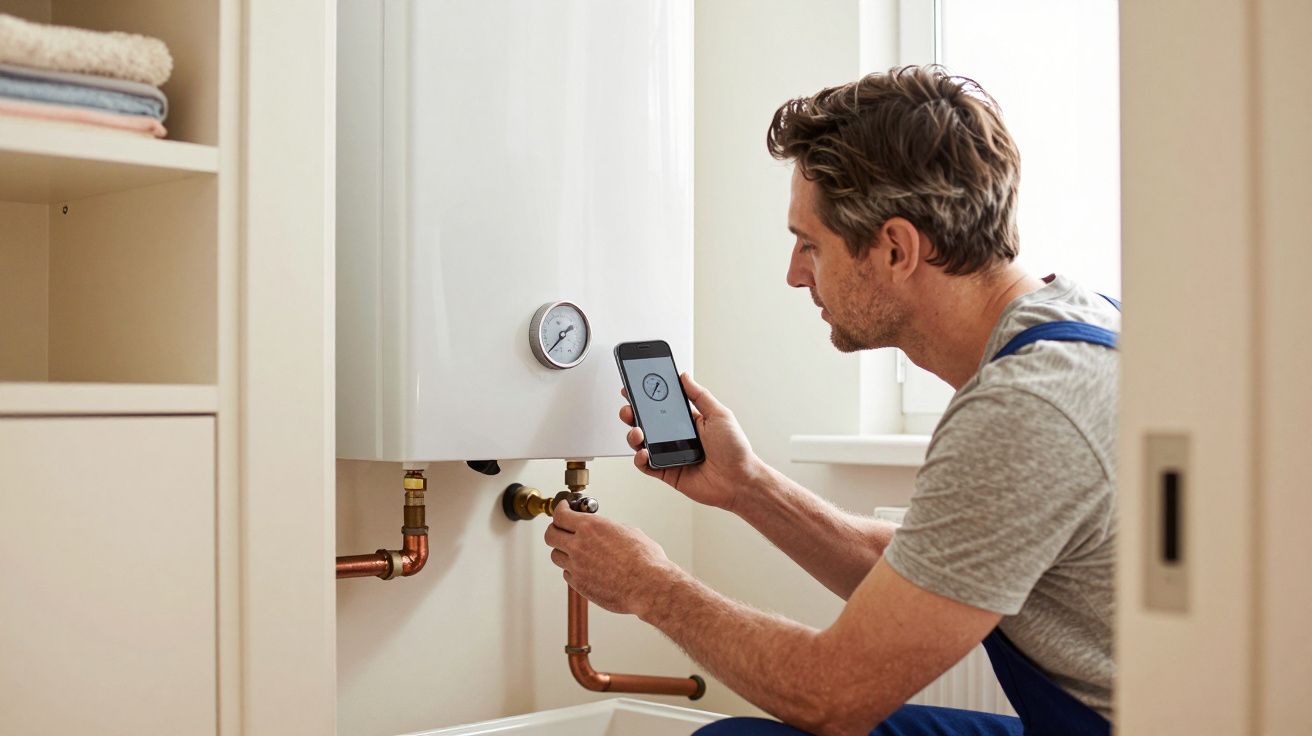
- Utility room near boiler? Expect pressure and temperature cycling to show up at valves and flexible hoses.
Hidden joints, rushed access, and the tyranny of the cupboard
Rooms with plumbing also tend to be rooms with cabinetry. Pipes get boxed in for aesthetics, and access panels-if they exist-are often too small for a spanner and a calm mind.
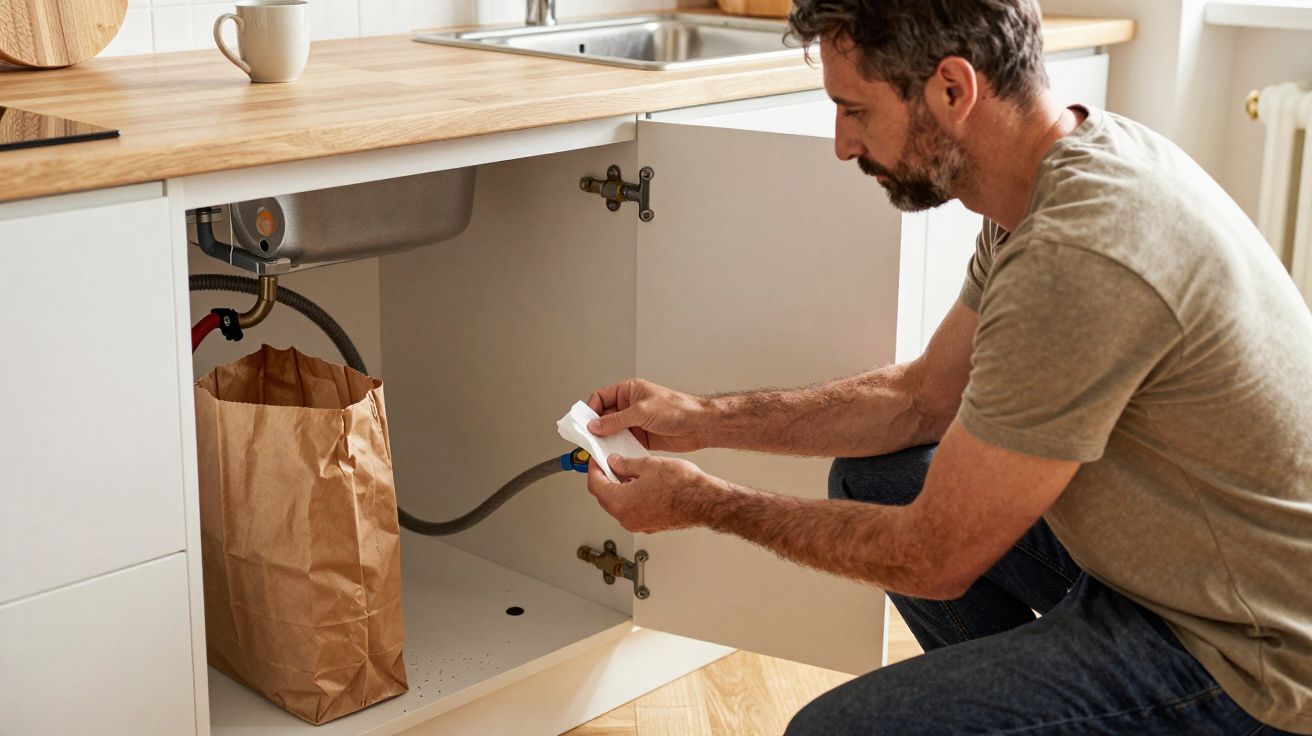
That changes behaviour. Minor drips go unnoticed because nobody looks behind the washing machine until it smells “damp”. Stop taps seize because they’re never exercised. Traps go furry because the sink cupboard becomes a storage unit and cleaning turns into a contortion.
A plumber once put it to me like this:
“Pipes don’t hate cupboards. People hate opening cupboards when everything’s crammed in.”
If you can’t see it, you don’t maintain it. If you don’t maintain it, it fails where it’s hidden.
Appliances concentrate risk where people live
Modern kitchens and utilities are basically small pump rooms with nicer worktops. Dishwashers, washing machines, fridge freezers with ice makers, boiling-water taps, water softeners-each one adds hoses, filters, valves and electrical components to a wet zone.
Flexible hoses are convenient, but they’re also a common failure point, especially when kinked, overtightened, or left to rub against a sharp cabinet edge. Add vibration from spin cycles and you get tiny movements at fittings that were never meant to dance.
If you want a quick “where to look first” checklist:
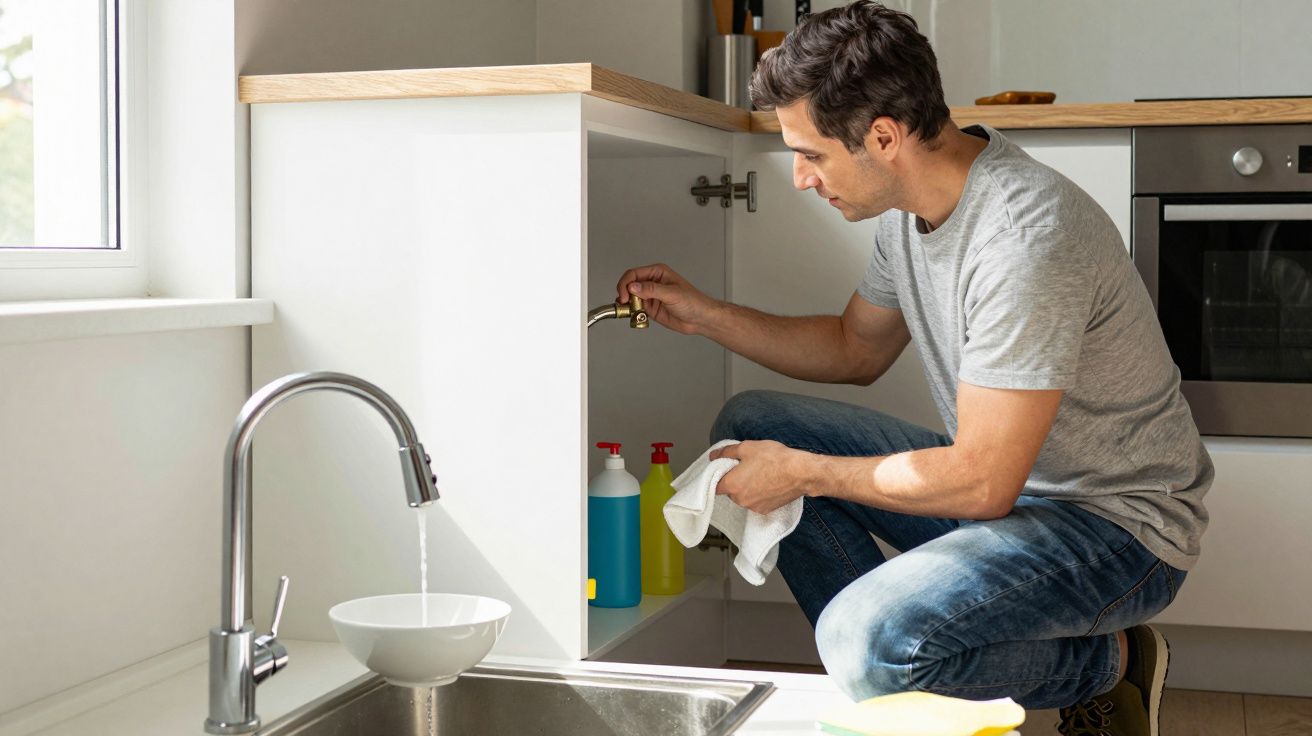
- Under-sink isolation valves (they corrode and seize)
- Appliance hoses (bulges, cracks, abrasion marks)
- Waste traps (hair, grease, misaligned washers)
- Silicone seals (mould and gaps that let water track behind units)
Drainage problems cluster because habits cluster
Supply leaks are one story; blocked drains are another, and they’re even more tied to rooms. Bathrooms produce hair, soap and limescale. Kitchens produce grease, starch and coffee grounds. Utility rooms get lint and detergent residue.
The waste system doesn’t experience these materials evenly. It receives them in pulses, and often through the same few branches before they hit the main run. That’s why a slow kitchen sink can be a kitchen problem (grease build-up) or a “whole branch” problem (a partially blocked shared line), depending on how the home is arranged.
The telltales usually line up:
- Gurgling in one fixture when another drains (shared pipework, poor venting, partial block)
- Smells that worsen after using the washing machine (trapped lint and stagnant waste)
- Repeated clogs in the same shower (hair + shallow gradient + undersized trap)
What to do with this information (without becoming a full-time inspector)
You don’t need to map your house like a civil engineer, but it helps to think in clusters: wet rooms share routes, and routes share weaknesses. Start with the rooms that do the most work and the spots you never look at.
A small routine beats heroic panic:
- Once a month, open the “wet cupboards” and run a dry tissue around joints and valves.
- Twice a year, exercise isolation valves (turn off and back on) and note any stiffness.
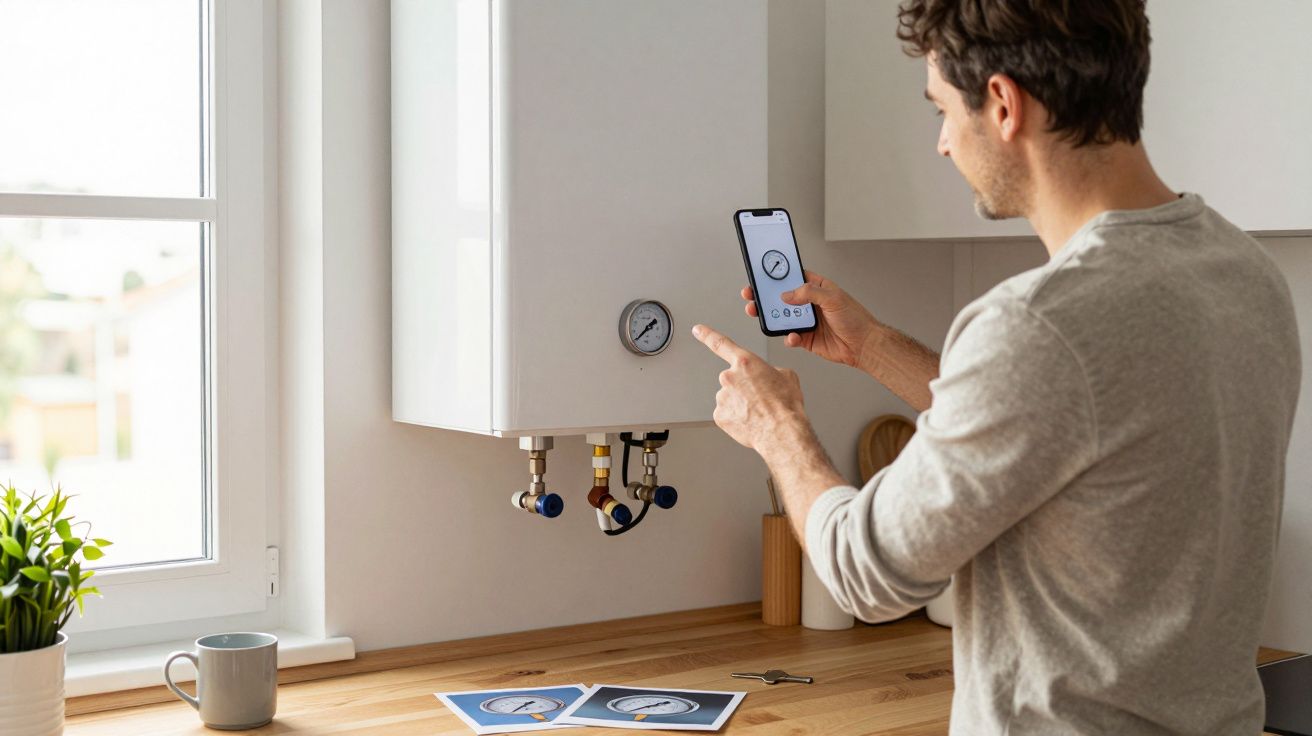
- After fitting a new appliance, recheck hose connections after a week of use.
- If you see a ceiling mark, check the room above first-then check the route to the stack, not just the nearest tap.
| Cluster | Why it happens | What to check |
|---|---|---|
| Bathroom zone | Heat cycles + lots of joints | Toilet inlet, shower seals, basin trap |
| Kitchen/utility zone | Appliances + flexible hoses | Hose condition, isolation valves, waste trap |
| Vertical stack line | Shared pipe routes | Damp around boxing, gurgling, recurring smells |
FAQ:
- Why does a leak show up downstairs when the problem is upstairs? Water follows gravity and building structure, travelling along joists and plasterboard until it finds a low point. The visible drip is often the “exit”, not the source.
- Are plumbing problems more about poor workmanship or age? Both. Age hardens seals and corrodes fittings; workmanship determines how forgiving the system is when materials move and settle.
- Does layout design really affect reliability? Yes. Shorter runs and shared stacks reduce cost but concentrate joints and loads in the same zones, so faults appear in clusters rather than evenly.
- What’s the most overlooked early warning sign? A slightly stiff isolation valve or a faint musty smell in a cupboard. Those usually come before visible leaks.
- When should I call a plumber rather than “monitor it”? If there’s any sign of water near electrics, recurring blockages, a ceiling stain, or a leak you can’t isolate quickly with a valve-get it assessed.



Comments (0)
No comments yet. Be the first to comment!
Leave a Comment