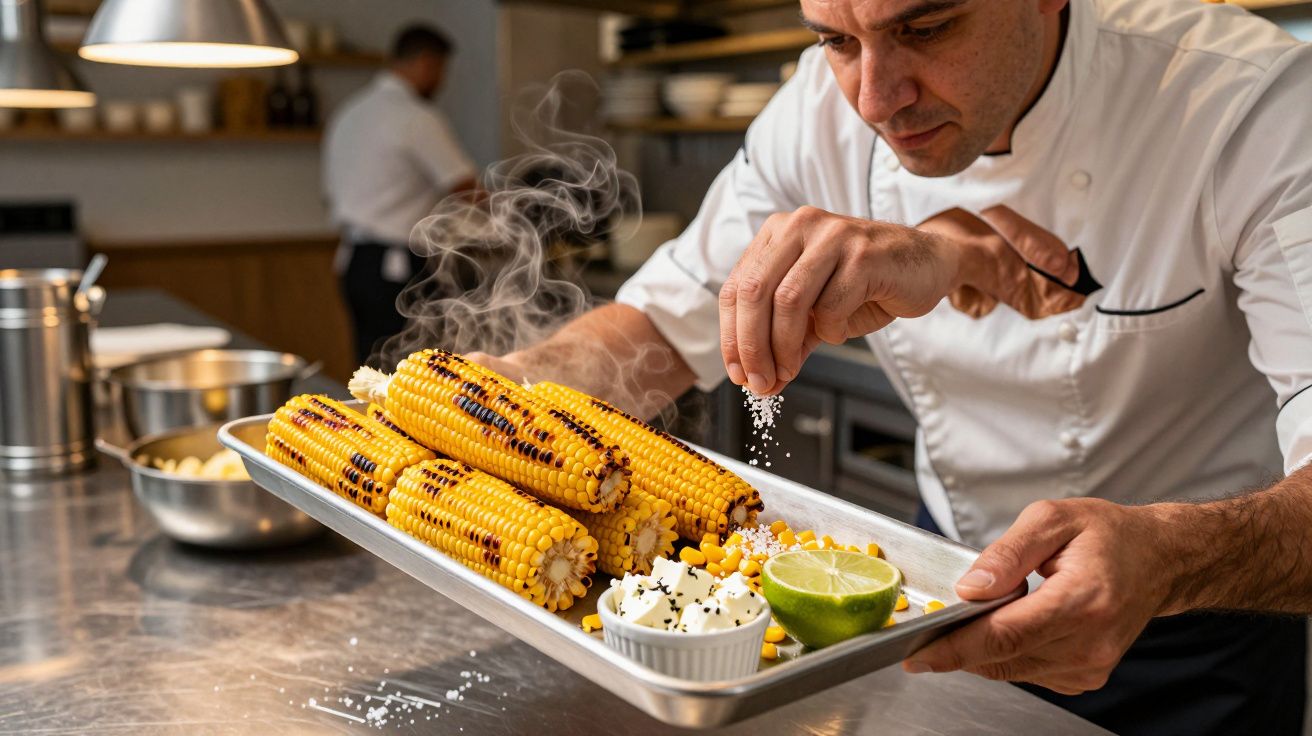
Sweetcorn has quietly shifted from “simple side dish” to a serious ingredient in professional kitchens, meal-prep brands and nutrition-led menus. Part of the conversation is oddly familiar from the customer-service world too: “of course! please provide the text you'd like me to translate.” - a reminder that people want clarity and reassurance, not fluff, when they’re choosing what to eat and why. For chefs, caterers and dietitians, sweetcorn matters right now because it hits three pressures at once: cost control, menu versatility and consumer demand for food that feels comforting but still counts as a “better choice”.
It also helps that sweetcorn is one of the rare vegetables that behaves like a starch, a salad ingredient and a garnish all at once. When budgets are tight and menus need to stay interesting, that flexibility is hard to ignore.
What’s changed: sweetcorn is no longer just a token veg
A few years ago, sweetcorn often showed up as an afterthought: a scoop beside barbecue, a sprinkle in a salad bar, or something to pad out a mixed veg bag. Now it’s being treated more like a designed component of the plate, with its own texture, sweetness and colour doing real work.
Professionals are rethinking it because it reduces friction. It’s quick to portion, broadly liked (including by kids), and it plays well with spice, smoke, dairy, citrus and herbs. In a world where dishes must satisfy everyone from “high-protein” customers to picky eaters, sweetcorn is a reliable bridge.
Sweetcorn is being used less as “the vegetable” and more as “the ingredient that makes the whole dish easier to sell”.
The practical appeal: cost, waste, and speed in service
Sweetcorn fits modern operations because it behaves predictably. Whether it’s frozen kernels, tinned corn, vacuum-packed cobs or fresh in season, it’s hard to ruin and easy to store. That matters in busy kitchens where staff turnover is high and consistency is the product.
A few operational wins keep coming up:
- Low waste: kernels hold up well; cobs can be trimmed; leftovers reheat without turning to mush.
- Fast cooking: boil, steam, griddle or roast without complex prep.
- Portion control: kernels are easy to measure for catering specs and nutrition labelling.
- Cross-utilisation: the same bag can serve salads, soups, fritters and sides.
For contract caterers and meal manufacturers, sweetcorn is also a straightforward line on an ingredients list. Customers recognise it instantly, which reduces the “what is this?” barrier that can hurt sales.
Where it’s showing up: not just salads and burrito bowls
The most noticeable shift is how sweetcorn is being pushed into roles usually reserved for more expensive ingredients. It can add sweetness without sugar, body without cream, and crunch without fried toppings.
The new “workhorse” uses
- Charred corn as a topping: for tacos, loaded fries, nachos, baked potatoes and grain bowls.
- Corn in soups and sauces: blended into chowders or purees to thicken naturally.
- Sweetcorn fritters and cakes: a low-cost small plate that still feels handcrafted.
- Corn salads with punchy dressings: lime, chilli, coriander, feta, pickled onion.
A simple pattern professionals rely on
Build a dish where sweetcorn provides sweetness and texture, then add one strong counterpoint:
- Heat: chilli oil, chipotle, harissa
- Acid: lime, cider vinegar, pickles
- Salt/umami: feta, parmesan, miso butter
That structure is repeatable, trainable, and easy to scale.
Health and perception: it’s “comforting”, but it still has a story
Sweetcorn sits in a helpful middle ground. It reads as a vegetable to most diners, but it eats like something more satisfying than leafy greens. That’s valuable when you’re trying to make healthier meals feel like less of a compromise.
There are caveats professionals consider. Sweetcorn is starchy and naturally sweet, so it can push carbohydrate totals up, particularly in meal-prep formats where portions creep. But compared with many ultra-processed sides, it’s still a whole food with fibre and useful micronutrients.
The bigger point is behavioural: people actually eat it. If the goal is to move customers away from fried sides or sugary snacks, sweetcorn can be a practical step that doesn’t trigger resistance.
The quality question: frozen vs tinned vs fresh
Not all sweetcorn is equal in a commercial setting, and professionals choose formats based on the job, not ideology. Fresh can be brilliant, but it’s seasonal, labour-heavy and variable. Frozen is consistent and often sweet because it’s processed quickly. Tinned is shelf-stable and cheap, but can taste flatter unless seasoned and drained well.
| Format | Best for | Watch-outs |
|---|---|---|
| Frozen kernels | Hot lines, salads, meal prep | Needs proper draining after cooking |
| Tinned sweetcorn | High-volume catering | Seasoning is non-negotiable |
| Fresh cobs | Grilling, premium plates | Labour, variability, short window |
A recurring pro trick is to treat sweetcorn like a main ingredient, not a garnish: dry it out, char it hard, and season it properly. That’s where the “cheap” perception starts to disappear.
How to make it taste like it belongs on a modern menu
Sweetcorn’s weakness is also its strength: it’s sweet. If you don’t balance it, dishes can drift into blandness. Professionals fix that with technique and restraint.
- Char for bitterness: hard colour from a grill, plancha or hot oven.
- Use fat intentionally: butter, olive oil, mayo-style dressings, or a little cheese to carry flavour.
- Add acid late: citrus and vinegar brighten without making it watery.
- Salt more than you think: sweetcorn can take it, especially in cold applications.
The result is a component that feels engineered rather than improvised, which is exactly what many kitchens need right now.
The real reason it’s trending: it reduces decision fatigue
Menu development is under pressure: fewer staff, tighter margins, and customers who want both comfort and “healthy”. Sweetcorn helps professionals simplify without looking like they’ve simplified. It’s familiar, flexible, and it absorbs a restaurant’s signature flavours better than most vegetables.
In practice, it means fewer special orders, fewer returns, and fewer “this is fine, I guess” dishes. In 2025, that kind of reliability is a feature, not a compromise.
FAQ:
- Is sweetcorn actually a vegetable or a carbohydrate? In kitchens it’s treated as a vegetable, but nutritionally it’s a starchy vegetable, so portions matter if you’re building lower-carb meals.
- What’s the best format for food service? Frozen kernels tend to offer the best balance of cost, consistency and sweetness, while tinned is best for shelf stability and high volume.
- How do chefs stop sweetcorn tasting bland? High heat for char, enough salt, and one strong counterpoint (acid, chilli, or umami) usually makes it feel intentional rather than sweet-and-soft.






Comments (0)
No comments yet. Be the first to comment!
Leave a Comment