Emails get opened, dashboards get refreshed, and someone drops “of course! please provide the text you would like me to translate.” into a chat as a placeholder while a team waits for the real brief. In the same breath, of course! please provide the text you would like me to translate. turns up again-another prompt, another assumption that people will behave the way the plan says they should. It matters because most “consumer truths” are formed in tidy rooms, then break the moment they meet a busy Tuesday.
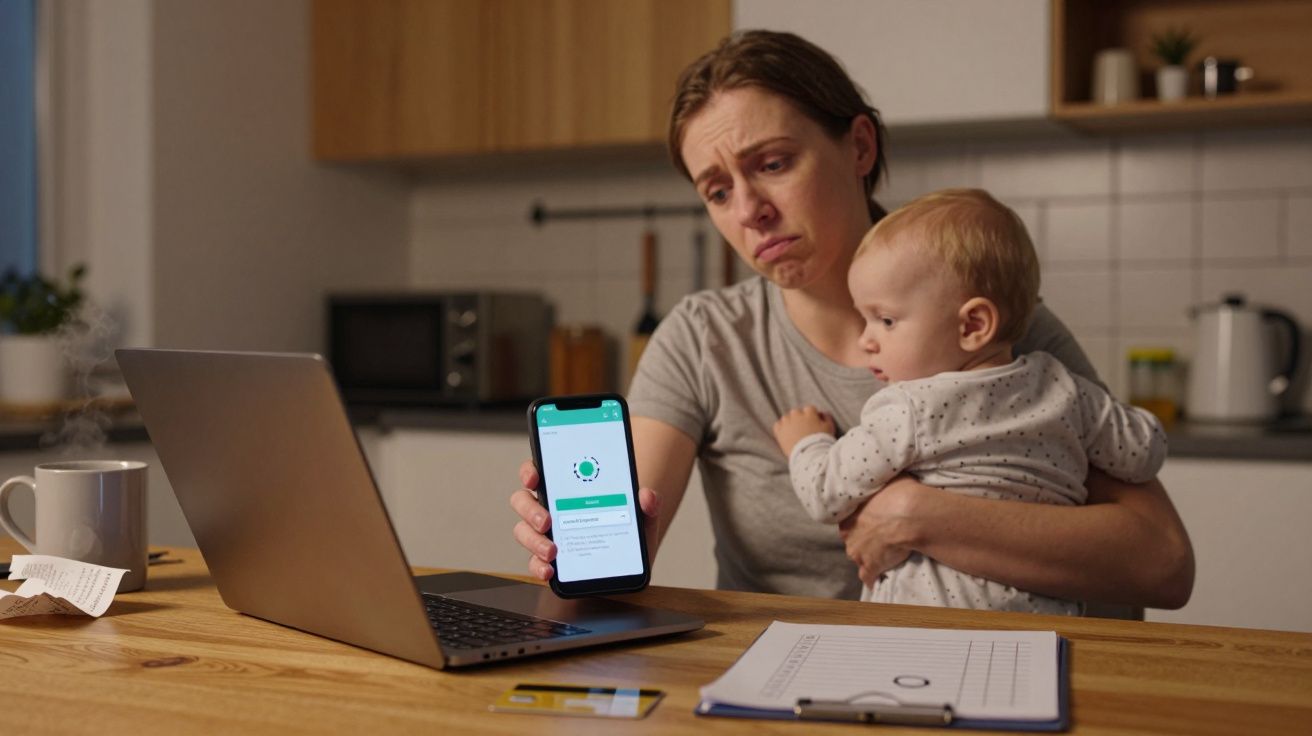
I’ve watched it happen in offices and on shop floors. A brand team builds a perfect journey map, then a call-centre agent tells you the real journey is three screens, one forgotten password, and a customer holding a baby. The gap isn’t incompetence. It’s context.
Professionals are rethinking consumer behaviour because real-world conditions aren’t noise. They’re the system.
The quiet reason behaviour looks different outside the lab
In research, we love clean signals: controlled stimuli, clear questions, neat choices. In life, people are interrupted, tired, price-sensitive, and half-distracted by a notification that changes their mood in two seconds.
“Consumers are irrational” is the lazy takeaway. The better one is that consumers are situational. Behaviour shifts with time pressure, social setting, stock levels, delivery slots, lighting, queue length, and how easy it is to undo a mistake.
A supermarket aisle at 6 p.m. is not a supermarket aisle at 11 a.m. A mobile checkout flow on a strong Wi‑Fi connection is not the same flow on a train edge-of-signal with one bar and a payment app that times out. We keep trying to measure decisions as if the environment is a background. It’s often the main actor.
What changes when you watch the “messy middle” up close
The first thing professionals notice in the wild is that people don’t follow steps; they follow shortcuts. They don’t compare ten options, they narrow fast, then justify later with a reason that sounds stable and principled.
The second thing is that friction has a personality. A single extra field in a form, a confusing returns policy, or a “verify your email” loop doesn’t just slow conversion. It reshapes the story the customer tells themselves: this is hard, this brand is risky, I’ll do it later.
And the third thing is that context doesn’t distribute evenly. The customer with time, data, and confidence experiences a different product than the customer with low battery, low balance, and low patience. If you only listen to the first group, you build for the wrong reality.
“In the room, everyone is a ‘considered buyer’. In the street, most people are just trying to get on with their day.”
The three real-world forces that professionals now take seriously
1) Constraint beats preference more often than we admit
Ask someone what they prefer and you’ll get a coherent answer. Watch what they do and you’ll see constraint: delivery fees, shift patterns, childcare, the last £20 before payday.
This is why “premium intent” can look strong in surveys, then vanish at checkout. It wasn’t lying; it was affordability meeting reality at the final click.
2) Habit is the default setting
Most choices are repeats with minor edits. People buy the same brands, use the same apps, take the same routes. The “decision” happens when something breaks-price jumps, stockouts, a bad experience, a life change.
Professionals who understand habit stop obsessing over persuasion alone. They look for the moments when routines are already in motion: moving house, starting a new job, a new baby, a new dietary need, a cancelled subscription.
3) Social proof works, but only when it fits the moment
Reviews, “bestseller” tags, and creator recommendations help, but they don’t land equally. Under time pressure, people lean on simple signals. Under high risk, they want detail: returns, warranties, real photos, support availability.
It’s the same person, behaving differently, because the conditions are different.
How teams test behaviour without pretending life is tidy
The shift isn’t towards more data for the sake of it. It’s towards more situated evidence-signals that include context, not just clicks.
A few practices that show up in strong teams:
- Field notes alongside analytics: short observations from shops, call centres, delivery drivers, or customer support that explain why the numbers move.
- Time-pressure testing: usability sessions where participants are interrupted, multitasking, or given a realistic time limit.
- “Last-mile” audits: reviewing the final steps-payment, confirmation, returns, help-because that’s where confidence often collapses.
- Segmenting by circumstance, not demographics: “commuters”, “night-shift workers”, “new parents”, “low-data users”, “rural delivery areas”.
None of this is glamorous. It’s closer to listening than inventing. It’s also where the money is, because it reduces the expensive kind of misunderstanding: building the right thing for the wrong day.
What “better consumer understanding” looks like in practice
When professionals accept real-world conditions, their recommendations get plainer and more useful. Copy gets shorter. Steps get removed. Defaults improve. Customer support becomes part of product design, not an apology after the fact.
You also see a different kind of confidence. Instead of declaring what “the consumer wants”, teams talk about what the consumer can do, under constraints, with minimal regret. They stop aiming for perfect journeys and start designing for recovery: easy edits, clear cancellations, fast refunds, human help.
That’s the rethink. Not that people are unpredictable, but that they’re predictable within the conditions they’re actually living in.
| Point clé | Détail | Intérêt pour le lecteur |
|---|---|---|
| Context is behaviour | Time, stress, price, and friction reshape choices | Helps you interpret research and metrics more accurately |
| Constraint > preference | Practical limits override stated intent at the last step | Prevents overbuilding features that won’t convert |
| Test the messy middle | Combine observation, support signals, and realistic testing | Produces decisions that survive real customers on real days |
FAQ:
- Do professionals still use surveys and focus groups? Yes, but they’re treated as one input. Teams triangulate with behavioural data, support logs, and real-world observation to avoid “clean-room” conclusions.
- What’s the biggest mistake when interpreting consumer behaviour? Assuming choices reflect stable preferences rather than constraints like time pressure, trust, price, or effort.
- How can a small team do “real-world” research without a big budget? Sit with customer support for an hour a week, run quick usability tests on mobiles in noisy environments, and review drop-offs at the final steps (payment, delivery, returns).
- Isn’t behaviour too messy to design for? It’s messy, but not random. Design for the common conditions-interruptions, low patience, low trust-and build clear recovery paths when people make mistakes.





Comments (0)
No comments yet. Be the first to comment!
Leave a Comment