Sometime over the next couple of years, you’ll notice your home’s relationship with water changing - not through one big renovation, but through small upgrades that quickly become normal. Sustainable plumbing solutions are moving from “eco extra” to practical kit in kitchens, bathrooms and utility rooms, pushed along by 2026 water trends: higher bills, tighter supply in some regions, and a new wave of smarter fittings that make saving water feel effortless. For most households, the relevance is simple: less waste, lower costs, and fewer nasty surprises when something leaks.
The shift won’t be about guilt or grand gestures. It will be about control - knowing what you use, where it goes, and how to trim it without living like you’re camping.
Why water habits are about to feel more ‘hands-on’
Water has been cheap enough for long enough that many homes treat it as background. Turn a tap, run a bath, start the dishwasher - it just works, until it doesn’t. The next phase is different: more people will have reasons to pay attention, and the tools to do it without obsessing.
You can already see the pattern. Energy got smarter first (meters, apps, tariffs), and water is following the same path - with faster payback in some homes than you might expect.
The big change is not that people will “use less water”. It’s that homes will start measuring and managing it, room by room.
The pressures driving change (even if you’re not an eco type)
A few forces are converging at once:
- Bill shock as tariffs creep up and standing charges bite.
- More extreme weather patterns that make restrictions more common and less predictable.
- New-build standards and retrofits that prioritise efficiency by default.
- Insurers and landlords paying closer attention to leak risk and water damage.
For homeowners, it’s money and resilience. For renters, it’s often convenience and fewer disputes - clear data beats guesswork when a leak is “someone’s fault”.
The quiet upgrade: fixtures that cut use without feeling miserly
The easiest wins tend to be boring ones: the parts you touch every day. The key is that modern water-saving fittings aren’t the weak, dribbly versions people remember.
A well-specced setup keeps comfort while reducing flow, and it doesn’t require you to retrain your habits.
The low-drama changes that add up
Most households can reduce use noticeably with:
- Aerated taps that feel strong while using less.
- Efficient shower heads designed to keep spray quality, not just limit flow.
- Dual-flush and optimised cisterns that actually match modern usage patterns.
- Pressure-reducing valves where mains pressure is high (often a hidden culprit for waste).
The trick is to treat these like you would LED bulbs: once you swap them, you stop thinking about them. You just notice the bill.
Leak detection will stop being a “when it’s obvious” problem
Leaks are the unglamorous centre of the story. A dripping overflow you can hear is annoying, but the expensive leaks are the quiet ones: under floors, behind units, or in a toilet that keeps topping up.
2026 water trends point to more homes adopting monitoring because the tech is finally becoming simple enough to live with. Not a complicated system; more like a smoke alarm for water.
What “smart water” looks like in real life
In practice, it’s usually one or two layers:
- A whole-home monitor that flags unusual flow patterns (like constant trickling overnight).
- Point sensors under sinks, by the washing machine, and near the boiler.
- An automatic shut-off valve for higher-risk properties or anyone who travels a lot.
None of this prevents every failure. But it turns a slow, costly leak into a notification you can act on before it becomes a ceiling stain - or a full insurance claim.
The most valuable feature isn’t an app graph. It’s catching “small water” before it turns into “big water”.
Greywater and rainwater: less niche than you think
Talk of reusing water can sound like it belongs in eco builds or countryside homes. Yet as kit gets tidier and guidance improves, these systems are becoming a realistic option for ordinary properties - especially where gardens are watered heavily or households are large.
The point is not to replace mains water. It’s to stop using drinking-quality water for jobs that don’t need it.
Where reclaimed water makes the most sense
The common, sensible uses are:
- Rainwater harvesting for garden watering and outdoor cleaning.
- Greywater reuse (from showers/baths) for toilet flushing in some setups.
If you’re considering it, the deciding factors are usually space (for a tank), plumbing access, and how much disruption you’ll tolerate. In many cases, the “almost as good” option is simply better outdoor storage and smarter watering - but the direction of travel is clear.
The new expectation: plumbing that’s designed for maintenance, not emergencies
One reason water waste persists is that many homes are awkward to maintain. Stopcocks that don’t turn, hidden isolators, pipework boxed in so tightly you can’t inspect it - all normal, all frustrating.
Sustainable plumbing solutions increasingly focus on serviceability: making it easier to spot issues early, and cheaper to fix them when they happen.
A checklist for a more future-proof home
If you’re updating a bathroom, kitchen, or utility, ask for:
- Accessible isolation valves for each major appliance and bathroom group.
- Quality pipework routing that’s inspectable, not entombed.
- A properly set pressure regulator if your area runs high pressure.
- A plan for condensation on cold pipes (often mistaken for leaks).
These aren’t flashy upgrades, but they reduce call-outs, damage, and wasted water over the life of the home.
What to do this year if you want to stay ahead
You don’t need to predict the whole future to benefit from it. A few small steps put you in the best position, regardless of where prices or policy go next.
Start with the things that don’t require re-plumbing the house:
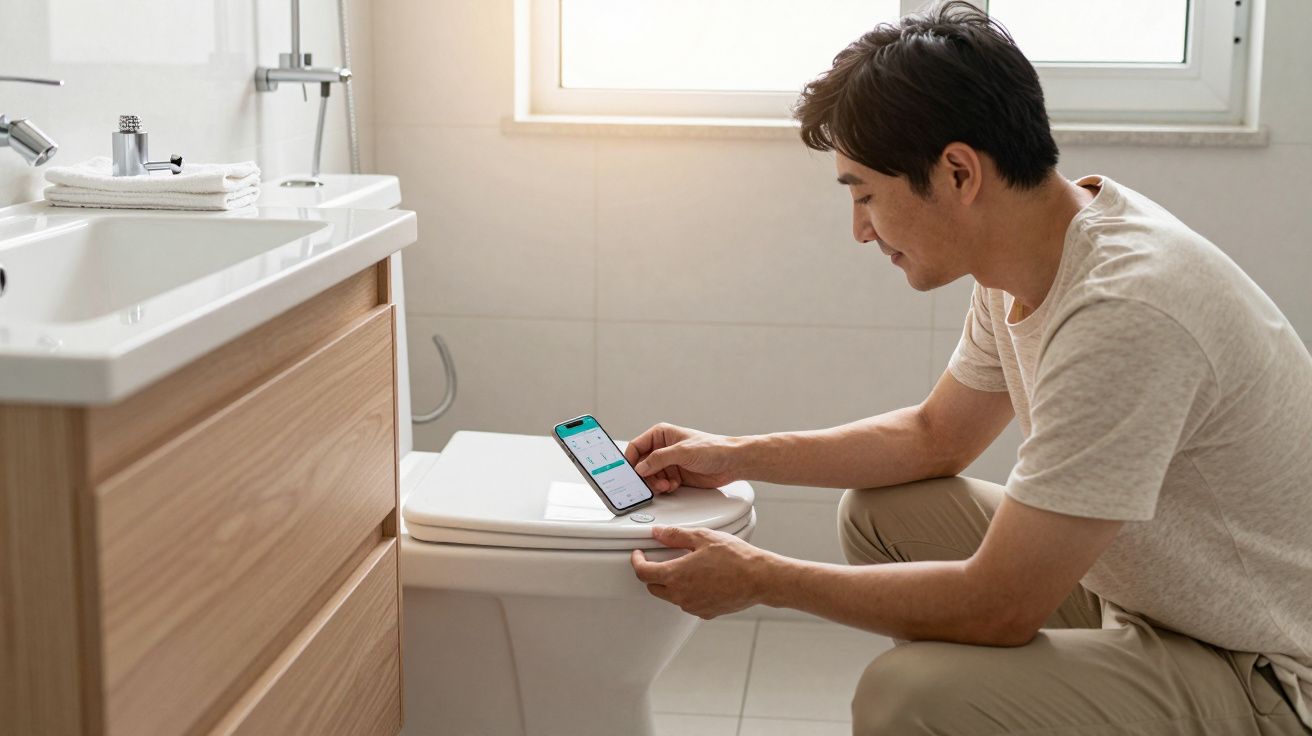
- Check for silent toilet leaks (a dye tablet test or a quick listen after flushing).
- Swap shower head and tap aerators if yours are old.
- Learn where your stopcock is - and make sure it actually works.
- Add basic leak sensors in the highest-risk spots.
If you’re already planning renovations, that’s when bigger choices become cheap: adding isolators, improving access panels, or considering rainwater storage while walls and floors are open.
The coming change is not about perfect behaviour. It’s about making the sensible option the default, so saving water happens in the background.



Comments (0)
No comments yet. Be the first to comment!
Leave a Comment