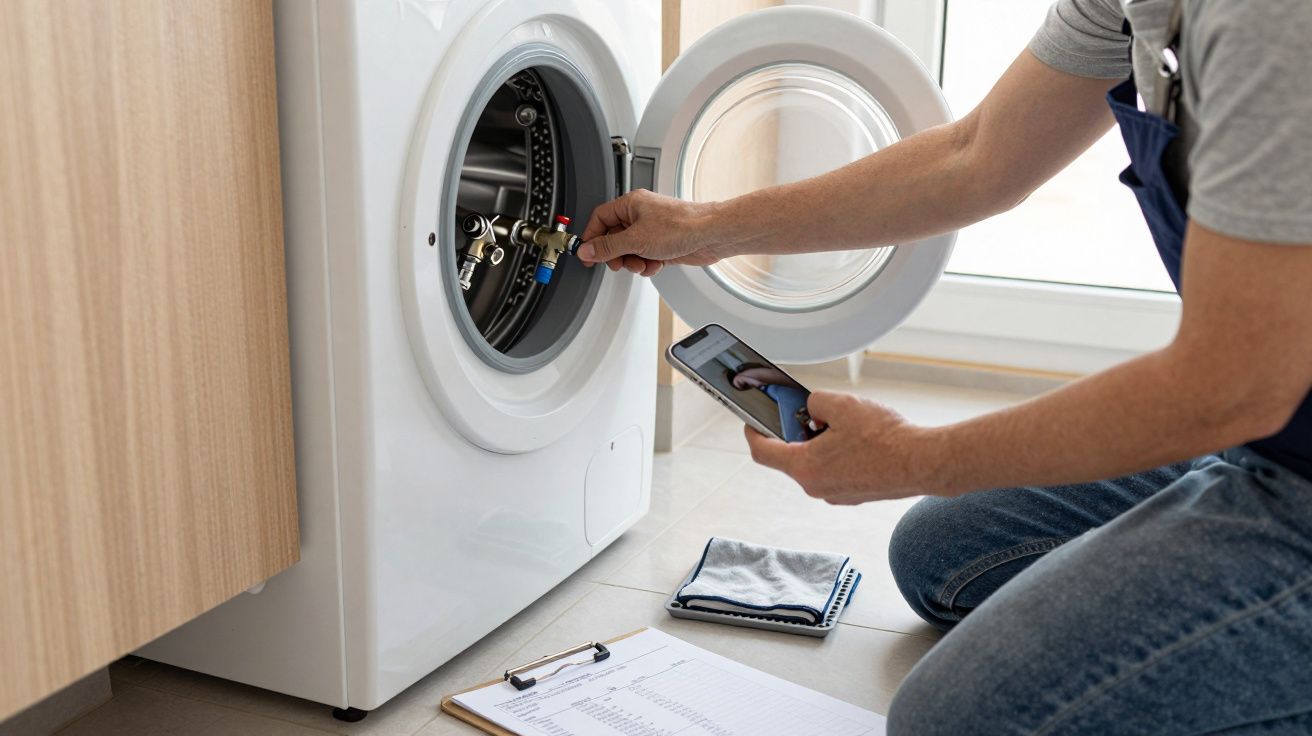
The next few winters will feel different if you own or manage rental properties. Not because tenants have suddenly become fussy, but because 2026 compliance risks are quietly turning everyday plumbing into a paperwork-and-liability issue. The tap that “only drips a bit” and the boiler that “mostly works” are becoming the sort of small faults that trigger big consequences.
I saw it play out in a converted Victorian terrace where the top-floor flat kept getting complaints: lukewarm showers, noisy pipes, a slow leak behind the washing machine. The landlord did what most people do - patched the obvious, hoped the rest would wait. Then came an insurer’s question, a contractor’s report, and the realisation that the plumbing wasn’t just ageing; it wasn’t defensible anymore.
The old landlord mindset: “fix it when it breaks”
Plumbing used to be a background system. If the water ran, the radiators warmed up, and nothing smelled odd, it was “fine”. In plenty of homes, especially older stock, that approach survived because it was cheap in the short term and easy to explain to yourself.
But the coming years won’t reward “fine”. Water damage claims are expensive, mould disputes are emotionally charged, and tenants now expect the basics to be reliable the same way they expect broadband to work. When the standard of “habitable” rises, plumbing becomes less of a trade call-out and more of a risk management plan.
The shift is subtle: you’re not being asked to build a luxury bathroom. You’re being pushed to prove that the system is safe, resilient, and maintained, even when nobody is actively complaining.
Why 2026 will make plumbing feel like compliance, not maintenance
Most landlords don’t lose sleep over pipes; they lose sleep over uncertainty. The tricky part about 2026 compliance risks is that they sit at the intersection of safety, property condition, and documentation - the stuff you’re expected to show, not just say.
Plumbing touches more regulated areas than people realise: hot water temperatures, heating performance, damp and mould conditions, legionella management, and the knock-on effects of leaks into electrics and structure. When a tenant’s complaint becomes a formal dispute, “I called someone once” is weak evidence. Dates, invoices, reports, and recorded follow-ups are stronger.
And once a local authority, letting agent, insurer, or lender starts asking for proof, you’ll wish you’d treated plumbing like an annual service item rather than an emergency.
The pressure points landlords keep missing
A lot of plumbing failures don’t announce themselves with a burst pipe. They whisper for months, and by the time you hear them, you’re paying for repairs and disruption.
Here are the common “quiet risks” that are showing up more often:
- Slow leaks under baths, around shower trays, and at washing machine valves that feed mould and rot.
- Inconsistent hot water due to failing thermostatic controls, scaled-up cylinders, or undersized combi boilers for the occupancy.
- Low mains pressure / flow issues that turn basic hygiene into a daily complaint and accelerate wear on appliances.
- Blocked or poorly vented waste runs that cause smells, gurgling, and repeated call-outs that never quite solve the cause.
- Old isolation valves and stopcocks that seize up right when you actually need to shut water off quickly.
None of these feel dramatic on day one. But they’re the exact sort of issues that create repeat maintenance, tenant dissatisfaction, and nasty “why wasn’t this dealt with earlier?” conversations.
The one shift that changes everything: move from reactive to recorded
Think of it like swapping “No” for “When” in a tense household moment. The magic isn’t in a gadget; it’s in the framing. Instead of “we’ll sort it when it fails”, the new frame is: “When the annual inspection happens, we’ll prevent the failure.”
That single shift forces clearer decisions. You stop guessing which repairs are optional, because you’re now working from condition, evidence, and timelines. And it makes your contractors better, too - good plumbers can’t diagnose properly if they only see the property during a crisis.
A practical way to make it real is to build a tiny “plumbing file” per property:
- A dated photo of the stopcock location and isolation valves.
- Boiler and cylinder service records, plus any recommendations not yet completed.
- Notes on past leaks (where, what was replaced, whether the surrounding area was dried and checked).
- Water pressure/flow observations after any major work.
- A simple list of ages: boiler, visible pipework type, shower pumps, macerators (if any).
You’re not doing admin for fun. You’re creating a paper trail that makes disputes shorter and decisions faster.
What “rethink plumbing” looks like in real rental properties
This isn’t about gold taps or ripping out bathrooms that look dated. It’s about designing out failure and making the basics boring again.
A sensible plan for many homes looks like:
- Audit the weak spots: visible corrosion, historical leak areas, recurring blockages, poor hot water delivery.
- Prioritise controls and containment: functioning isolation valves, accessible shut-offs, decent leak prevention where appliances connect.
- Upgrade the parts that create repeat call-outs: tired shower valves, cheap wastes, poorly sealed trays, worn flexi hoses.
- Treat ventilation and moisture as part of plumbing: a “dry” bathroom is a plumbing outcome, not just a fan outcome.
- Document what you did and why: not a novel - just enough to show you acted reasonably.
Landlords who do this tend to notice something surprising: fewer out-of-hours emergencies. A calmer relationship with tenants. Less time trying to remember which flat had “that weird noise in the pipes”.
The cost question nobody wants to ask (but will have to)
The expensive plumbing job is rarely the upgrade you planned. It’s the one you fund under pressure, with a tenant in the property, while water is damaging the ceiling below.
Small proactive spends often beat big reactive ones, but only if you choose them well. If you’re unsure where to start, ask a plumber for a condition-led visit rather than a “fix this one thing” call-out. You’re buying clarity.
Here’s a quick way to think about it:
| Plumbing choice | What it prevents | Why it matters in 2026 |
|---|---|---|
| Add/replace isolation valves | Major water damage during failures | Faster, safer response with evidence of reasonable upkeep |
| Address slow leaks early | Mould, rot, tenant health complaints | Damp issues escalate quickly into formal disputes |
| Hot water/heating checks | Scalding risk, unreliable service | Comfort and safety expectations are rising |
The goal isn’t perfection. It’s reducing the number of situations where you’re forced to defend an avoidable problem.
The quiet truth: plumbing is becoming part of the “standard of care”
Plumbing is no longer just something you repair; it’s something you manage. That’s the direction of travel, and it’s why the coming years will nudge even hands-off landlords into more deliberate systems.
If you own rental properties, the best time to rethink plumbing is before the next cold snap, the next tenant changeover, or the next letter that starts with “We have concerns about…”. The work is usually smaller when you do it early, and the stress is almost always lower.
FAQ:
- Do I need to replace all old pipework before 2026? Not usually. What matters is condition, safety, and whether you can show reasonable inspection and timely repairs where risks exist.
- What’s the quickest “high impact” plumbing improvement? Making sure shut-offs work: a reliable stopcock and isolation valves for key fixtures/appliances can massively reduce damage when something fails.
- How do I reduce mould complaints if the bathroom plumbing seems fine? Check for slow leaks, poor seals, and drainage issues, and treat ventilation as part of the moisture system. “No leak” doesn’t always mean “no water problem”.
- Is documentation really that important? Yes. In disputes, insurance claims, or enforcement scenarios, dated records and invoices can be the difference between “unavoidable issue” and “neglect”.
- Should I do checks between tenancies or annually? Ideally both: a basic annual plumbing condition check, plus a focused review at changeover when access is easier and disruption is minimal.






Comments (0)
No comments yet. Be the first to comment!
Leave a Comment